

Advanced LED Display Technologies: Enhancing Visual Performance and Durability
In the rapidly evolving field of display technology, LED (Light Emitting Diode) displays stand out as a cornerstone of modern visual communication due to their superior brightness, energy efficiency, and longevity. As a professional LED display engineer, I will provide an in-depth overview of the key technical parameters, manufacturing considerations, and emerging innovations shaping the LED display industry.
Technical Parameters and Their Impact
The performance of an LED display depends primarily on several critical technical parameters: pixel pitch, brightness, contrast ratio, refresh rate, and viewing angle.
- Pixel Pitch: This is the distance between the centers of two adjacent LED pixels, typically measured in millimeters. Common sizes range from 0.9mm for fine pitch indoor screens to 10mm and above for large outdoor billboards. A smaller pixel pitch delivers higher resolution but increases production complexity and cost. For instance, 1.5mm or below is considered ultra-fine pitch, suitable for high-definition indoor applications such as control rooms or broadcast studios (Source: IEC 62717 Design Standard for LED lighting).
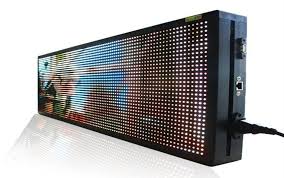
- Brightness: Measured in nits (cd/m²), the brightness of an LED screen determines visibility under various ambient lighting conditions. Indoor displays usually operate between 800-1500 nits to maintain image clarity without causing eye strain, whereas outdoor displays require brightness levels exceeding 5000 nits to withstand direct sunlight.
- Contrast Ratio and Color Accuracy: High contrast ratios (up to 3000:1 in top-tier models) are essential for vivid image reproduction, facilitated by advanced LED chips with precise color calibration. Technologies like HDR (High Dynamic Range) are increasingly incorporated to enhance contrast and color depth, often supported by IC drivers adhering to standards such as the CIE 1931 color space.
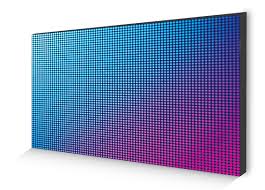
- Refresh Rate: A higher refresh rate, typically around 3840Hz, eliminates flicker, ensuring smooth motion rendering for live broadcasts and sports applications. Low refresh rates can cause undesirable flickering, measurable through photometric testing equipment.
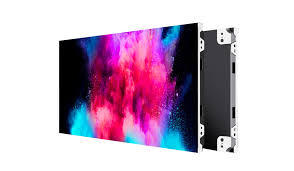
- Viewing Angle: Modern LED displays achieve wide viewing angles exceeding 160° horizontally and vertically, allowing consistent image quality even in peripheral positions. This is achieved through optimized lens design and LED chip configurations that reduce color shift.
Manufacturing Processes and Quality Assurance
Producing high-quality LED panels demands rigorous component selection, precise assembly, and thorough testing:
- LED Chip Selection: Sourcing LEDs from reputable manufacturers with certifications such as RoHS (Restriction of Hazardous Substances) and CE guarantees product safety and reduced ecological impact. Bin-sorting of LEDs ensures uniform brightness and color consistency in production batches.
- PCB and Driver IC Integration: The circuit boards must exhibit high thermal conductivity (often enhanced by aluminum or ceramic substrates) to dissipate heat effectively and prolong LED lifespan. Driver ICs regulate current precisely, preventing overdriving and extending device durability.
- Module Assembly and Calibration: Assembly robots place LEDs with micron accuracy, followed by factory calibrations using spectroradiometers and colorimeters to ensure uniformity and adherence to sRGB or Rec.709 standards for video applications.
- Environmental Testing: Robust LED displays undergo testing per IEC 60068 standards for resistance to humidity, temperature extremes, vibration, and dust ingress (IP ratings such as IP65 or IP67 commonly apply for outdoor models).
Innovations Driving the Industry Forward
The LED display industry is witnessing transformative innovations, including microLED and flexible displays.
- MicroLED Technology: Offering submicron pixel pitches and extremely high resolution, microLEDs combine the best attributes of OLEDs and conventional LEDs, with superior brightness, contrast, and longevity. However, manufacturing microLED displays remains challenging due to complex mass transfer processes.
- Flexible and Transparent Displays: Utilizing bendable substrates and transparent electrode materials, these displays open new horizons for architectural integration and wearable electronics, enabling dynamic content display on curved or glass surfaces.
- Smart Integration and IoT Connectivity: Modern LED systems increasingly integrate sensor data and network connectivity, allowing real-time brightness adjustment, content management, and predictive maintenance analytics, improving overall user experience and operational efficiency.
Industry Standards and Compliance
Adherence to international standards ensures LED displays meet performance, safety, and sustainability benchmarks:
- IEC 62368-1: Safety requirements for audio/video and information technology equipment applicable to LED displays.
- ISO 9241-307: Standards addressing visual display characteristics related to ergonomic performance.
- Energy Star and EPEAT Certifications: These certifications promote energy-efficient designs, reducing environmental impact.
Conclusion
LED display technology continues to advance with a strong focus on improving visual quality, operational longevity, and environmental sustainability. Professionals must carefully balance technical parameters such as pixel pitch, brightness, and refresh rate with manufacturing precision and adherence to rigorous standards. The future landscape promises further innovation driven by microLED technology, flexible designs, and enhanced digital interactivity, cementing LED displays as pivotal tools in global communication and entertainment.
For engineers and manufacturers alike, staying abreast of technological trends, material sciences, and industry standards is crucial to delivering superior LED display solutions that meet diverse client demands worldwide.













