

Indoor Digital Display Screen: Advanced Solutions for Modern Environments
Indoor digital display screens have become an essential component in today’s commercial, educational, and public spaces. These screens offer dynamic content delivery, interactivity, and high-definition visuals that traditional signage cannot match. As businesses and institutions seek effective communication solutions, understanding the technical aspects and benefits of indoor digital display technology is critical.
Technical Specifications and Types
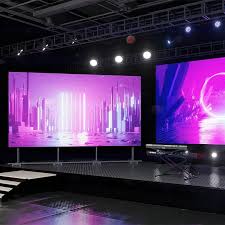
Indoor digital display screens primarily include LED, LCD, and OLED technologies. Among these, LED (Light Emitting Diode) displays are preferred for their brightness, energy efficiency, and longevity. Typical specifications for indoor LED screens include pixel pitches ranging from 1.2mm to 4mm, offering high-resolution displays suitable for close viewing distances in retail environments, conference rooms, and museums. For instance, an LED screen with a 1.5mm pixel pitch can deliver crisp images and video clarity up to a viewing distance of approximately 1.2 meters.
LCD (Liquid Crystal Display) panels used indoors benefit from high contrast ratios, often exceeding 1000:1, and color accuracy, essential for detailed presentations and informational displays. Their thin form factor enables sleek, wall-mounted installations. OLED (Organic LED) technology, while currently more expensive, provides superior color gamut and contrast ratios, making it ideal for premium indoor applications.
Advantages of Indoor Digital Displays
Indoor digital display screens equip environments with dynamic content capabilities. The immediacy of updating content remotely through networked control systems allows for real-time information, advertising, and interactive user experiences. According to the Digital Signage Federation, businesses utilizing digital signage report an average increase of 33% in customer engagement.
Additionally, indoor digital displays are designed for optimized brightness levels, generally between 800 and 1200 nits, to ensure visibility without causing glare or eye strain in indoor lighting conditions. Advanced models incorporate ambient light sensors that automatically adjust brightness, enhancing viewer comfort and energy efficiency.
Installation and Environmental Considerations
Proper installation involves ensuring the display is compatible with ambient indoor conditions including temperature (typically 0°C to 40°C operational range) and humidity. Good ventilation and heat dissipation mechanisms are critical to preserving the lifespan of LED modules, which can exceed 100,000 hours of operation under ideal conditions.
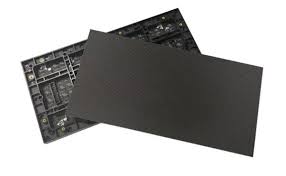
Indoor digital screens often leverage modular designs allowing for flexible sizing and maintenance. For example, LED panels arranged in a video wall configuration can create large immersive displays for auditoriums or retail spaces. Industry standards such as those from the International Electrotechnical Commission (IEC 62368-1) emphasize electrical safety and user protection during setup and usage.
Applications and Case Studies
Retail chains use indoor digital displays to promote products dynamically, increasing sales conversion rates through targeted advertising. A notable case is Walmart’s deployment of high-resolution LED signage across over 2,000 stores, resulting in improved customer navigation and promotional effectiveness.
Educational institutions benefit similarly, using interactive LCD panels and digital noticeboards to enhance engagement and information dissemination, ensuring timely updates for students and staff.
Museums and art galleries utilize OLED and ultra-fine pitch LED screens to present exhibits with vibrant visuals and detailed information layers, enriching visitor experience while preserving the aesthetic integrity of spaces.
Future Trends and Innovations
The indoor digital display industry continues to evolve with trends towards higher resolution, thinner panels, and enhanced interactivity such as gesture and voice controls. The integration of AI-driven content management systems is improving the personalization of content delivery based on viewer analytics.
Sustainability is another growing focus, with manufacturers striving to develop energy-efficient components and recyclable materials in compliance with environmental standards like RoHS and WEEE directives.
Conclusion
Indoor digital display screens represent a convergence of advanced display technology and practical communication utility. Their ability to deliver vivid, timely, and customizable content transforms how information is shared in diverse indoor settings. Understanding the underlying technologies, specifications, installation requirements, and applications ensures that stakeholders can invest wisely in solutions that maximize engagement and return on investment.













