

Advanced Manufacturing Techniques and Quality Control in LED Display Production
The LED display industry has witnessed significant advancements over the past decade, driven by continuous innovation in manufacturing technologies, material science, and quality control methodologies. As a professional LED display engineer with extensive experience in the design and production of LED LCD screens, I will present an authoritative overview of current industry practices, technical parameters, and the critical role of manufacturing accuracy in delivering exceptional product performance.
LED displays are characterized by their array of light-emitting diodes, which serve as pixels in forming images or video content. Modern LED displays are developed across a range of specifications, including pixel pitch, brightness, contrast ratio, refresh rate, and viewing angle. These technical parameters materially affect visual performance and determine suitability for various applications, such as outdoor advertising, control rooms, sports arenas, and digital signage.
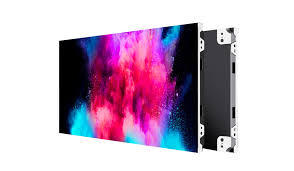
Key Technical Parameters:
- Pixel Pitch: This refers to the distance between the centers of two adjacent pixels, typically measured in millimeters. A smaller pixel pitch, such as 1.2 mm or less, corresponds to higher resolution and finer image detail, making it suitable for indoor close-viewing environments. Outdoor LED displays often employ larger pitches, from 3 to 10 mm or more, balanced for visibility at longer distances.
- Brightness: Outdoor LED screens generally require brightness levels of 5,000 to 8,000 nits (cd/m²) to ensure visibility under direct sunlight, whereas indoor displays operate effectively at 800 to 1,200 nits. High brightness is achieved through high-quality LED chips and optimized driving circuits.
- Refresh Rate: A high refresh rate, typically above 1,920 Hz, ensures flicker-free images during video playback and camera recording. Refresh rates lower than industry standards may cause visible flicker or artifacts, especially under slow-motion or broadcast conditions.
- Contrast Ratio and Color Accuracy: The contrast ratio, often exceeding 5,000:1, and accurate color gamut reproduction (NTSC or Rec.709) are indispensable for vivid image quality. Meeting these standards necessitates precise LED binning and calibration during production.
Manufacturing Techniques:
The production of LED displays involves multidisciplinary steps, including chip selection, PCB assembly, driver IC integration, module packaging, and final screen assembly. For example, precise Surface Mount Technology (SMT) lines place LED chips onto PCBs with micron-level accuracy, ensuring uniformity in pixel structure and electrical connectivity. Furthermore, the adoption of COB (Chip-on-Board) technology reduces parallax and enhances pixel density, critical for fine-pitch indoor displays.
Automated optical inspection (AOI) and in-line electric testing are industry-standard processes used to detect defective diodes, solder joint issues, and color uniformity problems during manufacturing. These inspections minimize the risk of post-sale failures. According to the International Electrotechnical Commission (IEC) standards IEC 62368-1, LED display products must also pass stringent electrical safety and electromagnetic compatibility tests.
Quality Control and Reliability:
A critical aspect of LED display production is environmental stress testing, including thermal cycling, humidity resistance, and UV exposure simulations. These tests are pivotal to ensuring long-term reliability, especially for outdoor installations exposed to harsh conditions. The failure rate should be below 0.01% per 1,000 operating hours to meet quality benchmarks set by leading manufacturers.
A well-documented case study from a global LED manufacturer demonstrated that implementation of Six Sigma methodologies in manufacturing reduced pixel failure rates by 70% and improved color consistency by 30%. This underscores that integrating advanced manufacturing techniques with robust quality assurance protocols yields competitive advantages and enhanced customer satisfaction.
Future Trends:
Emerging manufacturing technologies such as MicroLED and mini-LED promise even higher performance metrics, with improved brightness, contrast, and power efficiency. MicroLED, in particular, offers the potential for ultra-fine pixel pitches under 1 mm, enabling seamless 8K displays and flexible panels. Industry leaders are investing heavily in automation, AI-driven inspection, and advanced materials to meet the growing demand for high-resolution, durable, and energy-efficient LED display solutions.
In conclusion, top-tier LED display manufacturing is a complex interplay of sophisticated engineering, precision processes, and rigorous quality control. Understanding key technical parameters and industry standards is essential in producing displays that meet the demanding requirements of modern visual applications. Our continued pursuit of innovation and manufacturing excellence ensures that LED displays will remain at the forefront of digital visualization technology.













