

Advanced Techniques and Standards in LED Display Manufacturing for Optimal Performance
In the rapidly evolving field of digital displays, LED technology stands at the forefront, driving innovation in sectors from advertising and entertainment to transportation and public safety. As a professional LED display engineer with extensive experience in design, manufacturing, and deployment, this article aims to provide an authoritative and comprehensive overview of advanced techniques and industry standards that ensure optimal performance and reliability in LED display production.
Introduction
Light Emitting Diode (LED) displays have transformed the way visual information is presented by combining energy efficiency, high brightness, and vibrant color reproduction. Building a high-quality LED display involves a complex interplay of materials science, electrical engineering, and precision manufacturing. Given the high expectations of durability, image quality, and seamless installation demanded by today’s applications, understanding the technical parameters and adhering to recognized industry standards is paramount.
Main Body
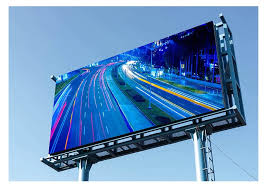
1. Core Technical Parameters Influencing LED Display Quality
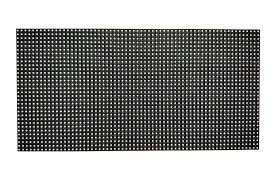
Several key technical parameters dictate the performance of LED displays:
- Pixel Pitch and Resolution: Pixel pitch defines the distance measured in millimeters between the centers of two adjacent pixels. It directly affects viewing distance and image clarity. For instance, indoor displays typically require pixel pitches below 4mm, while outdoor screens can range from 6mm to over 20mm. The choice aligns with the intended viewing distance as per guidelines from the Society for Information Display (SID).
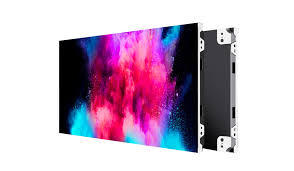
- Brightness and Contrast Ratio: Outdoor LED displays demand high luminance levels, often exceeding 5,000 cd/m², to maintain visibility under direct sunlight, whereas indoor displays operate effectively at 800-1,200 cd/m². Contrast ratio, essential for depth perception, depends on the display’s capability to produce deep blacks while maintaining peak brightness.
- Color Accuracy and Refresh Rate: Adoption of RGB calibration techniques and verification using colorimeter devices ensures natural and vibrant colors. Modern LED modules support refresh rates upwards of 1920 Hz, critical to prevent flickering and to provide stable images, especially in video recordings.
- Viewing Angle: Wider viewing angles up to 140° horizontally and vertically are desirable to ensure image visibility from numerous positions, achieved by specific lens and LED encapsulation designs.
2. Manufacturing Techniques for Enhanced Reliability
Manufacturing LED displays that can endure harsh environmental conditions involves the following critical processes:
- LED Chip Selection and Binning: Utilizing LED chips manufactured to tight binning standards guarantees consistent brightness and color output. Suppliers following JEDEC standards provide critical electrical and optical parameter consistency.
- PCB Design and Heat Dissipation: High-quality multilayer PCBs equipped with thermal vias and copper layers facilitate effective heat dissipation, critical for prolonging LED lifespan and maintaining performance stability.
- Soldering and Module Assembly: Automated Surface Mount Technology (SMT) lines control precise placement and soldering of LED packages, with subsequent Automated Optical Inspection (AOI) ensuring assembly accuracy.
- Sealing and Environmental Protection: Robust encapsulation techniques, including conformal coatings and gasketed modules, protect against moisture ingress and mechanical impact. Compliance with IP65 to IP68 ingress protection ratings is standard for outdoor displays.
3. Industry Standards and Testing Protocols
Adherence to international standards ensures product reliability and user safety:
- IEC 62368-1 outlines safety requirements for audio/video, information, and communication technology equipment, including LED displays.
- UL 8750 provides specific guidelines for LED lighting product safety, critical for electrical and fire hazards.
- ISO 9001 Quality Management System certification indicates controlled manufacturing processes.
- Testing Procedures: Rigorous electrical testing (voltage, current, insulation resistance), environmental stress screening (thermal cycling, humidity testing), and photometric performance evaluations ensure conformity and longevity. For example, lifetime testing targets over 100,000 hours of continuous operation with minimal degradation.
4. Case Studies and Practical Insights
In a recent deployment of a 120-square-meter outdoor advertising LED display in a tropical climate, key manufacturing choices such as the use of high-brightness LED chips with advanced black face modules contributed to enhanced contrast ratio and reduced ambient light reflection. Incorporation of active cooling modules managed thermal loads effectively, resulting in less than 5% brightness degradation over two years.
Similarly, indoor high-resolution control room displays leveraged pixel pitches as low as 1.2mm, enabling fine detail visualization critical for security monitoring. The installation followed strict EMC (Electromagnetic Compatibility) standards to avoid interference with other sensitive equipment.
Conclusion
The manufacture of LED displays integrating advanced techniques and industry-standard practices results in products that deliver superior visual performance, robustness, and user satisfaction. Critical parameters such as pixel pitch, brightness, and color accuracy must be balanced against environmental requirements and application-specific needs. Incorporating rigorous quality control, precise assembly, and protective measures ensures product longevity and consistent operation.
Professionals in the field must continuously update their skills and knowledge to adapt to emerging technologies, such as MicroLED and MiniLED hybrids, and evolving standards. A commitment to excellence in design and manufacturing not only meets customer expectations but also strengthens the credibility and authority of LED display manufacturers in a competitive global market.
References
- Society for Information Display (SID) – Display Measurement Standards
- IEC 62368-1:2018 Safety standard for audio/video, information and communication technology equipment
- Underwriters Laboratories (UL) 8750 – Standard for Safety of LED Equipment
- JEDEC Solid State Technology Association – LED Chip Binning Guidelines
- International Organization for Standardization (ISO) 9001 Quality Management Systems













