

Advanced LED Display Manufacturing Technologies: Ensuring Quality, Performance, and Innovation in Modern LED Screens
In today’s rapidly evolving digital landscape, LED display technology stands at the forefront of visual communication. From colossal outdoor advertising billboards to intricate indoor displays in control rooms and retail environments, the demand for high-quality, reliable LED screens has propelled significant advancements in LED display manufacturing. This article delves into the comprehensive aspects of LED display manufacturing, focusing on the latest technologies, quality standards, technical specifications, innovative processes, and practical applications, providing a valuable resource for professionals, engineers, and decision-makers worldwide.
The Fundamentals of LED Display Technology
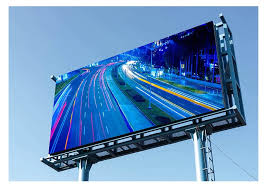
At its core, an LED display comprises thousands, sometimes millions, of tiny Light Emitting Diodes (LEDs) that emit light when electrical current passes through. Each LED functions as a pixel or sub-pixel, which, collectively, create the images or videos seen on the display. The primary types of LEDs used in these displays include:
- SMD (Surface-Mount Device) LEDs: Widely used for indoor applications due to their small size and high resolution capability.
- DIP (Dual In-line Package) LEDs: More robust and traditionally used for outdoor displays needing high brightness and durable environmental resistance.
The choice of LED type significantly impacts the pixel pitch, brightness, viewing angle, and overall display performance.
Technical Parameters Defining LED Display Quality
1. Pixel Pitch: Measured in millimeters, pixel pitch is the distance between the centers of two adjacent pixels. It directly affects resolution and viewing distance. For indoor displays, pixel pitches commonly range from 0.9mm to 4mm, providing high-resolution images suitable for close viewing. Outdoor LED screens usually feature pixel pitches between 4mm and 20mm, balancing distance visibility and cost-efficiency.
2. Brightness: Brightness is critical, especially for outdoor displays that must be visible under direct sunlight. Typical indoor LED screens have brightness levels around 800-1500 nits, whereas outdoor LED displays require 5000-7000 nits or more to ensure readability in varying ambient light conditions. Advanced LED chips and lens technologies now offer improved luminous efficacy, decreasing power consumption while enhancing brightness.
3. Refresh Rate: This parameter, measured in Hertz (Hz), indicates how many times per second the screen refreshes its image. For seamless video display, especially for broadcast and live events, refresh rates of 1920Hz or higher are preferred, minimizing flicker and motion blur.
4. Color Accuracy and Contrast Ratio: Achieving vibrant, true-to-life colors remains an engineering challenge. Modern LED manufacturers utilize 10-bit color processing and advanced gamma correction to reproduce over a billion colors. Contrast ratios above 3000:1 are typical for high-end displays, ensuring deeper blacks and improved image quality.
5. Viewing Angle: A wide viewing angle, typically 140° horizontally and vertically or more, ensures consistent image quality from varied perspectives. This is vital for public spaces where audiences may view the screen from different locations.
Manufacturing Processes and Quality Control in LED Display Production
Producing a high-performance LED display requires meticulous manufacturing processes supported by stringent quality control measures. The manufacturing journey typically includes:
- LED Bin Sorting and Selection: LEDs are sorted based on luminous intensity, chromaticity, and forward voltage to ensure uniform brightness and color consistency. This process aligns with standards from the International Electrotechnical Commission (IEC) and related industry best practices.
- Module Assembly: Individual LED modules are produced by mounting sorted LEDs on printed circuit boards (PCBs), often using automated pick-and-place machines. PCBs are frequently designed with multilayer structures to improve heat dissipation and signal integrity.
- Soldering and Encapsulation: High-precision soldering ensures reliable electrical and mechanical connections. Protective encapsulation detergents or resins enhance durability against moisture, dust, and mechanical shock.
- Calibration and Color Correction: Each module undergoes optical calibration using spectroradiometric equipment and software. This calibration ensures consistent color and brightness across the entire display, reducing variance to less than 2% in luminance and color temperature.
- Panel Integration: Modules are integrated into panels with structural frames designed for mechanical stability and ease of installation. Robust thermal management systems, including heat sinks and sometimes active cooling solutions, prevent overheating and extend component lifespan.
- Comprehensive Testing: Finished displays are tested against various industry standards such as UL (Underwriters Laboratories) certification for electrical safety, IP65/IP67 ratings for ingress protection, and compliance with RoHS directives limiting hazardous substances. Testing includes environmental stress testing, including vibration, humidity, and temperature cycling to ensure reliability.
Innovations Driving the LED Display Industry
Several emerging technologies and innovations continue to shape the future of LED display manufacturing:
- Mini-LED and Micro-LED Integration: These technologies offer finer pixel pitches, higher brightness, and enhanced contrast ratios, rivaling OLED displays in image quality while providing longer lifespans and higher durability.
- High-Density Displays: Advanced manufacturing enables pixel pitches below 1mm, supporting ultra-high-definition video applications, medical imaging, and augmented reality displays.
- Smart & Interactive Features: Integration of touch sensors, AI-driven content adaptation, and real-time data analytics enables interactive digital signage and dynamic content personalization.
- Energy-Efficient Designs: Use of advanced semiconductor materials (e.g., GaN-based LEDs) and intelligent brightness control systems significantly reduce power consumption, critical for sustainable operation especially in large outdoor displays.
- Modular & Curved Displays: Flexible LED modules and curved panel designs allow for innovative installation architectures, enhancing aesthetic integration in architectural projects.
Case Studies of High-Profile LED Display Projects
In practical applications, LED displays demonstrate their versatility and performance capabilities. Notable examples include:
- Times Square, New York City: One of the most iconic digital advertising destinations globally, featuring LED billboards with pixel pitches of 10mm to 16mm. These displays operate continuously with brightness levels exceeding 6500 nits to maintain visibility in bright daylight and under varied weather conditions.
- Control Rooms in Aerospace: Facilities like NASA employ indoor LED video walls with pixel pitches as low as 0.9mm, enabling operators to monitor satellite data and live feeds with no lag or distortion, facilitated by refresh rates above 3840Hz.
- Retail and Event Displays: Brands leverage high-density SMD LED walls for immersive advertising, employing color calibration and interactive content that adjust dynamically based on audience engagement metrics.
Future Outlook: Standards and Sustainability in LED Display Manufacturing
As LED display technology matures, international regulatory and industry standards drive quality and safety improvements. Organizations such as the IEC, Society for Information Display (SID), and the Video Electronics Standards Association (VESA) provide guidelines regarding testing methodologies, color standards (e.g., Rec. 709 and Rec. 2020), and interoperability.
Sustainability is another critical dimension, with manufacturers exploring ways to reduce rare earth material usage and enhance recyclability. Advances in semiconductor materials and manufacturing automation also contribute to lowering carbon footprints and reducing electronic waste.
Conclusion
Mastering LED display manufacturing requires the integration of cutting-edge materials science, precision electronics engineering, and rigorous quality assurance. By understanding and applying critical technical parameters such as pixel pitch, brightness, refresh rate, and color accuracy, manufacturers can deliver high-performance displays tailored to diverse applications. Innovation continues to push the boundaries of visual technology, with mini-LED and micro-LED technologies offering unprecedented image quality. Industry standards and sustainability initiatives underpin the reliability and environmental responsibility of LED display production. For engineers, manufacturers, and end-users alike, staying abreast of evolving manufacturing techniques and performance benchmarks ensures the sustained success and impact of LED display solutions worldwide.
References:
- International Electrotechnical Commission (IEC) standards overview: www.iec.ch
- Society for Information Display (SID) technical papers: www.sid.org
- VESA Display HDR Standards: www.vesa.org
- Underwriters Laboratories (UL) standards: www.ul.com
- RoHS Directive (Restriction of Hazardous Substances): eur-lex.europa.eu













