

Classroom Projection and Interactive Display Installations: Enhancing Modern Education Technology
In the evolving landscape of educational technology, classroom projection and interactive display installations have become pivotal tools in enhancing teaching and learning experiences. With rapid advancements in display technology, educators now have access to sophisticated solutions that foster engagement, collaboration, and adaptability in diverse learning environments.
#The Shift Towards Interactive Displays in Classrooms
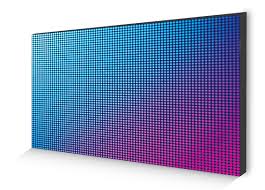
Traditional chalkboards and whiteboards are gradually being supplemented, and often replaced, by interactive displays that combine projection systems with touch-enabled screens. This transformation is driven by several factors:
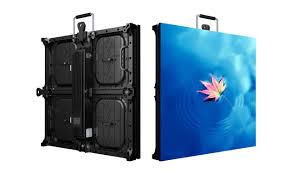
- Engagement Enhancement: Interactive displays allow students to actively participate in lessons through touch interaction, annotation, and multimedia content.
- Versatility: Modern projection systems integrate high-resolution images with flexible display options suitable for classrooms of different sizes.
- Collaborative Learning: Real-time interaction supports group activities and peer learning, essential components of 21st-century education.
#Technical Parameters and Standards for Classroom Installations
To ensure seamless integration, it is crucial to adhere to industry standards and select displays based on technical criteria that align with classroom needs.
- Resolution: Full HD (1920x1080) minimum resolution is recommended, with 4K UHD (3840x2160) increasingly adopted for sharper image quality.
- Brightness: Projectors should offer at least 3,500 lumens to guarantee visibility even in well-lit classrooms, while interactive displays typically range from 250 to 350 nits brightness.
- Screen Size and Throw Distance: Optimal screen size ranges from 80 to 120 inches diagonally. Short-throw projectors, with throw ratios less than 0.5, minimize shadows and glare, enhancing usability.
- Touch Technology: Capacitive or infrared touch sensors provide accurate multi-touch functionalities—essential for collaborative tasks.
- Connectivity: HDMI, USB, Wi-Fi, and Bluetooth enable seamless integration with various devices, supporting a BYOD (Bring Your Own Device) policy.
- Durability and Maintenance: LED-based projection lamps have longer lifespans and lower maintenance costs compared to traditional lamps, an important factor for educational institutions managing budgets.
#Benefits of Integrating Projection and Interactive Displays
1. Improved Student Engagement
Interactive displays allow dynamic demonstrations, video playback, and real-time annotation, addressing different learning styles. For example, the ability to draw directly on projected content engages kinesthetic learners.
2. Enhanced Content Delivery
Teachers can integrate multimedia such as slides, videos, and interactive quizzes, making lessons more relatable and easier to comprehend.
3. Facilitating Remote and Hybrid Learning
With the addition of integrated cameras and microphones, interactive displays support video conferencing and screen sharing, essential for hybrid classroom models.
4. Data-Driven Teaching Improvements
Some advanced systems allow educators to track participation and performance metrics, facilitating data-driven adjustments to teaching strategies.
#Case Studies and Industry Applications
Successful case studies emphasize the impact of these technologies. The Dallas Independent School District reported a 25% improvement in student test scores after integrating interactive projection displays in over 100 classrooms, as documented in a 2022 report by the International Society for Technology in Education (ISTE).
Similarly, a pilot project in Singapore’s Ministry of Education utilized short-throw projectors combined with interactive whiteboards to reduce eye strain and increase classroom interaction, resulting in positive feedback from both educators and students.
#Installation Best Practices
- Ambient Light Management: Use blinds or anti-glare screens to optimize visibility.
- Ergonomics: Position displays at eye level and ensure easy access for all students, including those with mobility challenges.
- Calibration and Regular Maintenance: Routine calibration maintains color accuracy and touch responsiveness, extending system lifespan.
- Integration with Learning Management Systems (LMS): Linking interactive displays with LMS platforms like Moodle or Google Classroom streamlines content sharing and assessment.
#Future Trends in Classroom Display Technology
- Laser Projection Systems: Offering higher brightness and energy efficiency.
- Augmented Reality (AR) Integration: Adding immersive layers to conventional lessons.
- Artificial Intelligence (AI)-Powered Interactive Displays: Enabling real-time language translation and adaptive learning pathways.
#Conclusion
The integration of classroom projection and interactive display installations represents a transformative step toward modernizing educational environments. These technologies not only enhance engagement and collaboration but also foster inclusivity and adaptability in teaching methods. For schools aiming to future-proof their classrooms, investing in high-quality, standards-compliant projection and interactive display systems is a strategic imperative.
Adhering to best practices in installation, leveraging technical advances, and embracing emerging trends will ensure these tools deliver maximum educational value while optimizing costs and maintenance efforts.
References:
- International Society for Technology in Education (ISTE) Standards for Educators, 2022
- Society for Information Display, “Display Technology Trends in Education,” 2023
- ProjectorCentral, “Best Projectors for Education,” 2024
- Singapore Ministry of Education Technology Integration Report, 2023













