

Advanced Technologies and Practical Applications of Conference LED Display Screens
In today’s fast-evolving corporate and event landscape, conference LED display screens have become indispensable tools for enhancing communication, engagement, and information dissemination. These sophisticated devices integrate cutting-edge LED technologies with user-friendly interfaces, enabling seamless presentations and real-time collaboration. Understanding the technical parameters and practical considerations of these screens is crucial for organizations aiming to optimize their meeting environments and deliver impactful visual experiences.
Technical Specifications and Industry Standards
High-quality conference LED screens typically feature fine pixel pitches ranging from 0.9 mm to 2.5 mm, enabling crisp image resolution even at close viewing distances common in meeting rooms. For instance, an LED panel with a 1.5 mm pixel pitch translates into about 441,000 pixels per square meter, ensuring sharp text, clear graphics, and smooth video playback. According to the Display Industry Association’s standards (DIA-STD 2023), LED luminance levels between 800 to 1200 cd/m² suffice for indoor conference environments, balancing brightness with eye comfort.
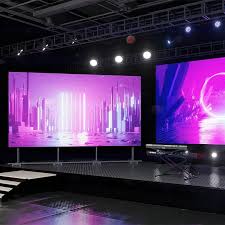
Screen dimensions are customizable but generally range from 55 inches to over 220 inches diagonally, accommodating a variety of room sizes—from small boardrooms to large auditoriums. Aspect ratios of 16:9 and 4:3 remain most prevalent, matching standard multimedia formats and optimizing content display.
Modular Design and Maintenance
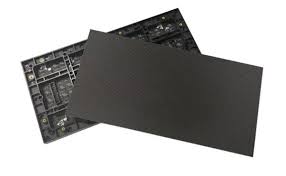
Modern conference LED displays embrace a modular design, allowing panels to be easily assembled, configured, and serviced. This design facilitates quick repairs and upgrades, minimizing downtime during critical corporate events. Equipped with front and rear serviceability options, maintenance teams can replace faulty LED modules or repair power supplies without dismantling the entire screen.
Furthermore, built-in redundancy features in power and data transmission systems ensure uninterrupted performance, which is essential for time-sensitive conferences and live broadcasts.
Color Accuracy and Calibration
Color fidelity is paramount when delivering brand-sensitive presentations or video conferencing. Leading manufacturers incorporate high refresh rates, typically 3840 Hz or above, to prevent flickering that may cause viewer fatigue, especially under high-definition cameras. Advanced calibration tools enable manual and automatic color tuning to maintain consistent chromaticity across the display surface, adhering to IEC 61966-2-1 (sRGB) color space standards for reliable color reproduction.
Connectivity and Smart Integration
Integration with conference room control systems and compatibility with common video input standards such as HDMI 2.1, DisplayPort 1.4, and HDBaseT are essential for seamless operation. Many conference LED screens support wireless casting protocols (Miracast, AirPlay) enabling multiple participants to share content without cables, enhancing interactive discussions.
Smart function support includes embedded Android OS or proprietary platforms allowing users to install conferencing applications directly onto the display. This reduces equipment clutter and simplifies setup, aligning with modern workplace trends seeking to improve usability and productivity.
Environmental and Energy Considerations
Efficiency in energy consumption is a critical aspect of sustainable conference facilities. LED technology inherently uses less power compared to traditional LCD screens with backlighting. Industry-leading models incorporate adaptive brightness sensors, which adjust luminance based on ambient light conditions, reducing power waste while preserving visual clarity.
The use of RoHS-compliant materials and adherence to environmental standards such as ENERGY STAR ensure that conference LED displays meet global ecological benchmarks.
Case Studies and Practical Insights
Globally, major corporations such as Siemens and IBM employ large-scale conference LED walls for operations centers and executive briefings. In one documented instance, IBM replaced traditional projection systems with 120-inch fine-pitch LED screens featuring 1.2 mm pixel pitch, which enhanced text legibility and reduced setup time by 30%. Their feedback emphasized the significant improvement in participant engagement and the ability to display complex data visualizations with remarkable clarity.
Similarly, international summits have adopted ultra-thin, lightweight LED displays to facilitate quick installation in temporary venues, demonstrating the practicality of modular LED technology beyond permanent conference rooms.
Conclusion
The adoption of conference LED display screens is revolutionizing the way organizations conduct meetings and share information. With advancements in pixel density, modular design, color accuracy, and smart integration, these devices offer unparalleled visual performance and operational flexibility. Selection of an appropriate LED display should consider room size, usage scenarios, and technical specifications to ensure optimal outcomes.
By leveraging these sophisticated LED technologies and adhering to recognized industry standards, businesses can enhance communication clarity, foster collaboration, and elevate the overall conference experience.













