

Advances and Practical Insights in LED LCD Screen Manufacturing for Modern Display Solutions
The LED LCD screen manufacturing industry has witnessed rapid advancements in recent years, driven by the growing demand for high-resolution, energy-efficient, and durable display technologies. As a professional LED display engineer, I will provide an authoritative and comprehensive overview of the technical parameters, practical applications, common challenges, and emerging trends in LED LCD manufacturing, ensuring a rich understanding for international readers.
Technical Parameters and Manufacturing Standards
At the core of LED LCD screen technology are several critical parameters influencing performance and reliability:
- Resolution and Pixel Density: Modern LED LCDs typically offer resolutions from Full HD (1920x1080) to 8K (7680x4320). A higher pixel density (measured in PPI - pixels per inch) ensures sharper and more vibrant images, crucial for applications like medical imaging and high-end consumer electronics.
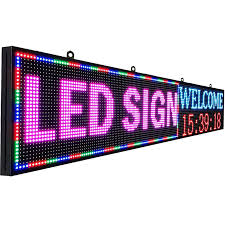
- Brightness and Contrast Ratio: Typical brightness levels range from 250 to 1000 nits depending on the use case. Outdoor LED LCD displays often require brightness exceeding 3000 nits to combat sunlight interference. Contrast ratios above 5000:1 deliver deeper blacks and improved image quality, aligning with standards such as the International Committee for Display Metrology (ICDM).
- Refresh Rate and Response Time: A refresh rate of 60Hz is standard for general applications, but gaming and broadcast monitors benefit from increased rates like 120Hz or 240Hz to reduce motion blur. Response times below 5 milliseconds are desirable to minimize ghosting effects.
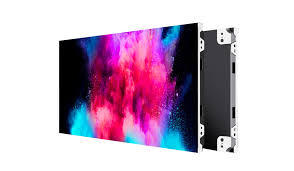
- Power Efficiency: LED backlighting contributes to significant energy savings compared to traditional CCFL-based LCDs. Power consumption typically ranges from 15 to 60 W for standard sizes (24-32 inches), with energy-efficient models complying with Energy Star certification and IEC 62087 standards.
Practical Applications of LED LCD Screens
LED LCD technology is highly versatile, finding applications across diverse sectors:
- Consumer Electronics: TVs, laptops, tablets, and smartphones utilize LED LCDs for their vibrant colors, thin profiles, and low power consumption. The ability to manufacture OLED and mini-LED backlighting variants enhances contrast and color accuracy.
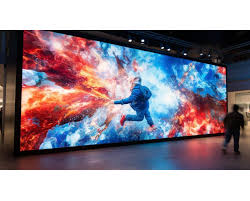
- Commercial Displays: Digital signage, point-of-sale terminals, and interactive kiosks benefit from the durability and high brightness of LED LCDs, especially in indoor and outdoor public spaces.
- Industrial and Medical Imaging: High-resolution LED LCD panels are critical in medical diagnostic devices such as X-ray and ultrasound systems, where color accuracy and clarity impact clinical outcomes.
- Automotive Displays: Instrument clusters and infotainment systems have adopted LED LCDs due to their robustness, customizable form factors, and sunlight readability.
Advantages of LED LCD Technology
- Energy Efficiency: Compared to traditional LCDs, LED backlighting reduces energy consumption by up to 40%, supporting greener technologies and cost savings.
- Slim Form Factor and Flexibility: LED arrays enable thinner screens, reducing weight and enabling curved and flexible displays.
- Enhanced Lifespan and Reliability: LEDs provide longer operational life (50,000+ hours) compared to fluorescent backlights, reducing maintenance and operational downtime in critical environments.
- Superior Color Performance and Brightness: Wide color gamut and localized dimming techniques enable more vivid displays, improving user experience from entertainment to professional graphics.
Common Challenges in LED LCD Manufacturing
Despite technological progress, manufacturers face ongoing challenges:
- Heat Dissipation: High-brightness LED arrays generate heat requiring advanced thermal management solutions to maintain performance and extend lifespan.
- Uniformity and Color Calibration: Achieving uniform brightness and color across large panels requires precise calibration and quality control, with standards such as ITU-R BT.709 guiding color accuracy.
- Supply Chain Constraints: Component shortages, such as LED chips and driver ICs, affect manufacturing timelines and product costs, necessitating robust supplier partnerships.
- Moisture Sensitivity and Durability: LEDs and LCD layers are sensitive to moisture ingress, demanding stringent encapsulation and protective coatings.
Emerging Trends in LED LCD Manufacturing
The future of LED LCD screens is shaped by continuous innovation:
- Mini-LED and Micro-LED Integration: Mini-LED backlighting, featuring thousands of tiny LEDs, delivers higher contrast ratios and dynamic range, rivaling OLED displays while maintaining higher brightness and lifespan. Micro-LED, with self-emissive pixels, promises next-generation displays with unmatched color precision and energy efficiency.
- Quantum Dot Enhancement Technology (QLED): Incorporating quantum dot layers enhances color purity and brightness, widely adopted in premium TVs and monitors.
- AI-Driven Display Calibration: Automated systems using machine learning optimize brightness and color across panels during manufacturing, improving yield and reducing defects.
- Flexible and Transparent Displays: Advances in flexible substrates and transparent LED LCDs open new possibilities in automotive HUDs, wearable devices, and innovative signage.
- Sustainability Focus: Manufacturers increasingly pursue recyclable materials, eco-friendly production processes, and compliance with RoHS and WEEE directives reflecting global environmental regulations.
Conclusion
LED LCD screen manufacturing remains a dynamic field, balancing the intricacies of advanced material science, electronics engineering, and practical application demands. Manufacturers and engineers must continually innovate to address challenges such as heat dissipation, uniformity, and supply chain resilience while embracing promising technologies like mini-LED and quantum dots. These advancements culminate in high-performance, energy-efficient, and versatile displays that serve an ever-expanding range of sectors worldwide. Adhering to international standards and quality protocols ensures reliability and optimizes user experience, thereby affirming LED LCD technology's position as a cornerstone of modern display solutions.
References:
1. International Committee for Display Metrology (ICDM), "Display Measurement Standards," ICDM Report, 2023.
2. Energy Star Program, U.S. Environmental Protection Agency, "Energy Efficiency Requirements for Displays," 2022.
3. IEC 62087 Ed.3.0: "Methods of Measurement for the Power Consumption of Audio, Video and Related Equipment," International Electrotechnical Commission, 2018.
4. ITU-R Recommendation BT.709-6, "Parameter values for the HDTV standards for production and international programme exchange," 2015.
5. SID (Society for Information Display), "Advances in Mini-LED and Micro-LED Technology," Journal of Display Technology, 2023.













