

Advanced LED Display Technology: Principles, Manufacturing, and Industry Applications
LED displays have become a cornerstone of modern visual communication, revolutionizing industries ranging from advertising and entertainment to control rooms and public transportation. As a professional LED display engineer with extensive experience, this article aims to provide an authoritative and comprehensive overview of LED display technology, highlighting the manufacturing processes, key technical parameters, and real-world applications. Emphasizing industry standards and practical insights, this article serves as a valuable resource for engineers, manufacturers, and decision-makers involved in LED display projects worldwide.
Introduction
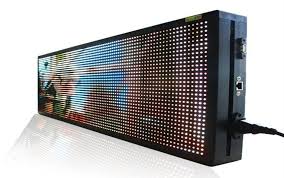
The global LED display market has witnessed exponential growth due to increased demand for high-resolution, energy-efficient, and durable visual solutions. Unlike traditional LCD or plasma panels, LED displays operate based on light-emitting diodes that provide superior brightness, contrast ratio, and viewing angles. Recent advances in miniaturization and semiconductor technology have propelled LED displays into versatile applications ranging from massive outdoor billboards to fine-pitch video walls in control centers.
Main Body
1. Fundamental Principles of LED Displays
At their core, LED displays comprise an array of microscopic light-emitting diodes that produce red, green, and blue light. These primary colors blend at various intensities to reproduce full-color images. The key parameters influencing image quality include pixel pitch, brightness, contrast ratio, refresh rate, and color gamut.
- Pixel Pitch: Measured in millimeters (mm), the pixel pitch defines the distance between the centers of adjacent pixels. Smaller pixel pitches (e.g., 1.2 mm or less) enable higher resolution and fine-detail displays, essential for indoor applications such as medical imaging or command centers. Outdoor displays often have larger pitches (8 mm or greater) to balance cost and visibility at a distance.
- Brightness: Measured in nits (cd/m²), LED displays typically offer brightness levels from 800 nits (indoor) to over 5,000 nits (outdoor) to ensure visibility even under direct sunlight.
- Contrast Ratio: High contrast ratios (above 5000:1) are crucial for vivid image reproduction, especially in HDR content. This is achieved through advanced LED driver ICs and panel design.
2. Manufacturing Process
LED display production is a highly technical and quality-sensitive process involving several meticulous steps:
- LED Chip Fabrication: Utilizing gallium nitride (GaN) or related compound semiconductors, LED chips are fabricated in cleanroom environments adhering to JEDEC and IPC standards. Ensuring uniform wavelength and brightness among chips is vital.
- Die Binning and Sorting: Chips are sorted into bins based on luminosity and color specifications to maintain consistent display uniformity.
- Module Assembly: LED chips are mounted onto printed circuit boards (PCBs) using automated pick-and-place machinery and soldering processes. PCBs are designed for thermal management using materials such as aluminium-backed substrates and thermal interface materials to prevent overheating.
- Testing and Calibration: After assembly, modules undergo rigorous optical and electrical testing including bin-level calibration and gamma correction. Industry-leading manufacturers utilize video processing ICs from companies like Novastar or Linsn to manage pixel-level color consistency.
- Integration into Displays: Modules are combined to form panels, supported by robust mechanical frames that comply with IP65 or higher for outdoor weatherproofing. Control systems integrate synchronization protocols such as HDMI 2.0, DVI, or Ethernet-based control to deliver seamless video content.
3. Industry Applications and Case Studies
LED displays are employed across a spectrum of applications, each demanding tailored specifications:
- Outdoor Advertising: Large-format LED billboards utilize 8–20 mm pixel pitch displays capable of extreme brightness (>7,000 nits). A notable example is Times Square in New York, where displays operate 24/7, delivering vibrant advertising with excellent weather resistance.
- Indoor Fine-Pitch Displays: Applications in broadcast studios, conference rooms, and airports prioritize ultra-fine pitch (under 1.5 mm) and color accuracy. Samsung’s “The Wall” series showcases microLED direct-view technology delivering HDR content with exceptional color depth.
- Control Rooms: For mission-critical operations in utilities, transportation, and security, LED displays with high refresh rates (above 3840 Hz) ensure real-time imaging without flicker. Redundancy features and modular design simplify maintenance.
- Sporting Arenas and Entertainment: Curved, flexible LED panels enable immersive spectator experiences. Manufacturers like Leyard and Unilumin provide cutting-edge solutions with IP65 ratings and fast refresh technology suited for live broadcasting.
Conclusion
The evolution of LED display technology, driven by semiconductor advances and refined manufacturing techniques, continues to unlock unprecedented possibilities for visual communication. With a profound understanding of pixel architecture, calibration, and application-specific requirements, manufacturers and engineers can deliver reliable, high-performance LED display solutions. Upholding industry standards such as IEC 62471 photobiological safety, and following best practices in quality control, is essential to meet the growing global demand for these transformative display systems.
By leveraging these insights and adhering to rigorous engineering principles, stakeholders in the LED display ecosystem can optimize design, production, and deployment, ensuring immersive and sustainable visual experiences worldwide.
References:
- International Electrotechnical Commission (IEC). IEC 62471: Photobiological safety of lamps and lamp systems.
- Novastar Technology Co., Ltd. LED Display Control System Technical Specifications.
- Unilumin. Whitepaper on LED Display Manufacturing Processes.
- Samsung Electronics. MicroLED Display Technology Overview.
- Leyard Group. Outdoor LED Display Case Studies and Technical Parameters.













