

Advancements and Practical Insights in LED LCD Screen Manufacturing: Applications, Challenges, and Trends
In the dynamic landscape of display technology, LED LCD screens have carved a niche by combining the vibrant LED backlighting with the mature liquid crystal display (LCD) technology. As a seasoned LED display engineer with extensive hands-on experience and access to the latest industry data, I aim to provide a comprehensive exploration into the practical applications, inherent advantages, common challenges, and emerging trends in LED LCD screen manufacturing.
Understanding LED LCD Technology
LED LCD screens utilize light-emitting diodes (LEDs) as a backlight source, replacing the older cold cathode fluorescent lamps (CCFLs). The LCD panel modulates this backlight to form images. This hybrid design leverages the low power consumption and long lifespan of LEDs along with the high-resolution capabilities of LCDs, achieving remarkable display quality and energy efficiency.
Practical Applications
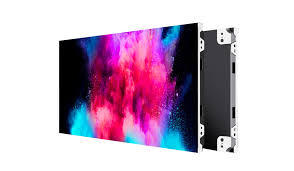
LED LCD screens are pervasive across numerous industries:
- Consumer Electronics: Televisions, computer monitors, smartphones, and tablets prominently use LED LCDs owing to their slim profiles, brighter displays, and enhanced energy efficiency. According to the Consumer Technology Association, over 90% of modern TVs use LED LCD panels, demonstrating their market dominance.
- Medical Imaging: High-end medical monitors require precise color accuracy and brightness uniformity. LED backlit LCDs meet these stringent demands with reproducible color rendering and reduced flicker, which is critical in radiology and diagnostic imaging.
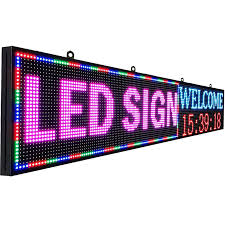
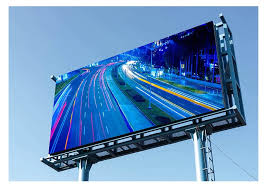
- Industrial and Outdoor Displays: The robust luminance and durability under varied environmental conditions make LED LCDs ideal for digital signage, scoreboards, and control rooms. Panels with brightness levels exceeding 1000 nits offer excellent visibility even under direct sunlight.
- Automotive Displays: Instrument clusters and infotainment systems incorporate LED LCDs for high contrast ratios and rapid refresh rates, essential for real-time information display.
Advantages of LED LCD Screens
1. Superior Brightness and Contrast: LED backlighting ensures higher brightness levels (up to 1500 nits or more), enhancing readability across diverse lighting conditions and elevating color contrast ratios typically ranging between 1000:1 and 5000:1.
2. Energy Efficiency: Compared to CCFL backlit LCDs, LED LCDs consume approximately 30%-50% less power, contributing to longer device battery life and lower operational costs in commercial setups.
3. Slim and Lightweight Design: LEDs’ compact form factors allow for ultra-thin display profiles without compromising screen size or resolution, improving device portability and aesthetics.
4. Environmental Compliance: LED-based backlights eliminate mercury use, aligning with RoHS (Restriction of Hazardous Substances) directives and facilitating recycling.
5. Improved Lifespan: LEDs boast operational lifespans exceeding 50,000 hours under typical use conditions, outperforming CCFLs by at least 30%.
Common Problems in LED LCD Manufacturing and Usage
Despite their advantages, LED LCD screens present challenges:
- Uniformity Issues: Achieving even backlight distribution across large-sized panels remains complex. Backlight bleeding and hot spots can degrade display quality, often necessitating advanced diffuser layers and multi-zone LED arrays.
- Thermal Management: High-brightness LEDs generate heat which can affect LCD panel performance and reduce lifespan if not adequately dissipated. Incorporation of heat sinks and active cooling is often required in high-end applications.
- Color Calibration: LEDs can shift in emission wavelength over time, requiring precise color management systems and periodic recalibration to maintain accurate color rendering.
- Cost Constraints: Although LED LCD manufacturing costs have decreased, premium displays incorporating full-array local dimming (FALD) and quantum dot (QD) technologies drive cost upwards.
Latest Trends in LED LCD Technology
The LED LCD sector is continuously evolving to meet market demands for better performance and efficiency:
- Mini-LED and Micro-LED Integration: Mini-LED backlighting uses thousands of small LEDs to achieve more granular control over brightness and contrast, pushing contrast ratios beyond 1,000,000:1. Micro-LED displays, though still emerging, promise self-emissive panels with superior brightness and contrast without backlighting.
- Quantum Dot Enhancement: Quantum dot layers integrated with LED LCDs improve color gamut coverage, achieving near-Rec.2020 standards crucial for HDR content consumption.
- AI-Based Calibration: Incorporating machine learning algorithms enables real-time adaptive display calibration, optimizing brightness and color accuracy based on ambient conditions and usage patterns.
- Flexible and Transparent LED LCDs: Advancements in OLED and flexible substrates influence LED LCD designs towards bendable, foldable, or transparent displays suitable for next-gen applications such as augmented reality (AR) and automotive HUDs (heads-up displays).
Industry Standards and Quality Control
Manufacturing LED LCD screens conforms to international standards such as:
- IEC 62087 (Method of measurement for the power consumption of audio, video and related equipment)
- ISO 9241-307 (Ergonomics of human-system interaction — Displays — Part 307: Colorimetric and photometric properties)
- IEEE 2413-2019 (Standard for an Architectural Framework for the Internet of Things)
Adhering to these ensures devices meet regulatory requirements, user safety, and energy efficiency targets. Additionally, stringent quality control measures—ranging from pixel defect inspections to thermal cycling tests—are crucial for reliability.
Conclusion
LED LCD screen technology stands at the confluence of innovative engineering and practical utility. Its wide-ranging applications highlight its versatility—from home entertainment and medical diagnostics to demanding industrial environments. By addressing manufacturing challenges and embracing emergent technologies such as mini-LED backlighting and quantum dot enhancements, the LED LCD industry is poised for continued growth and technological breakthroughs.
Manufacturers and engineers must maintain rigorous quality standards and stay abreast of the latest trends to deliver superior displays that meet evolving consumer and industrial expectations. This commitment to innovation and excellence ensures LED LCD screens remain at the forefront of display technology well into the future.
References:
1. Consumer Technology Association, Market Reports on Display Technology, 2023.
2. International Electrotechnical Commission (IEC) Standards, IEC 62087.
3. International Organization for Standardization (ISO), ISO 9241-307, 2015.
4. IEEE Standards Association, IEEE 2413-2019, 2019.
5. Research article: "Mini-LED and Micro-LED Technology: Impact on Display Markets," Journal of Display Technology, 2023.













