

Advanced Manufacturing Techniques and Quality Standards in LED Display Screens
The LED display industry has undergone significant evolution in recent years, driven by advancements in technology, stringent quality standards, and increasing market demands. As a professional LED display engineer with extensive experience in the field, I aim to provide an authoritative and comprehensive guide to the modern manufacturing techniques and quality assurance protocols essential for producing high-performance LED LCD screens.
Cutting-Edge Manufacturing Processes
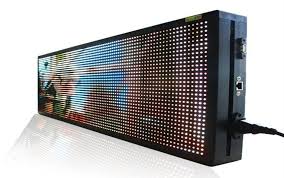
At the core of LED display manufacturing lies the precise assembly of numerous microscopic LEDs into a matrix that constitutes the visual panel. Modern display modules often utilize Surface Mount Device (SMD) technology, where LEDs are mounted directly onto printed circuit boards (PCBs). The parameters defining module quality include pixel pitch—commonly ranging from 0.8mm for ultra-fine pitch indoor displays up to 10mm or more for outdoor applications—refresh rate, brightness, and color accuracy.
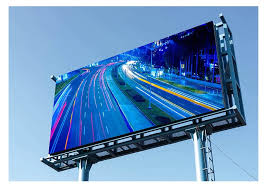
The industry standard for refresh rates is generally 1920Hz or higher, critical for minimizing flicker and ensuring smooth video playback, especially under camera capture. For instance, the Visual Electronics Standards (VES) outlines strict benchmarks ensuring that LED modules maintain uniform brightness and color consistency across the entire panel to prevent visual artifacts.
Advanced manufacturing lines utilize automated pick-and-place machines, reflow soldering ovens, and precision optical inspection systems to guarantee high assembly accuracy. Additionally, environmental control during production—maintaining cleanroom conditions with controlled humidity and temperature—helps reduce contamination and improves yield rates.
Material Selection and Component Quality
Material quality is paramount. High-grade LEDs with consistent luminance and chromaticity coordinates deliver a wider color gamut and longer operational lifetime. Common LED chip materials include GaN (Gallium Nitride) for blue and green LEDs and AlInGaP (Aluminum Indium Gallium Phosphide) for red LEDs. The DIP (Dual In-line Package) and SMD encapsulation technologies are commonly used depending on application and pixel density.
The substrate materials for PCBs are usually FR4 or high-frequency laminates with low dielectric loss for efficient signal transmission. Optics such as lenses and diffusers are also meticulously engineered to optimize viewing angles—typically 120° horizontal and vertical—to accommodate a broad audience view without significant brightness variations.
Quality Control and Testing Standards
LED display manufacturers must rigorously adhere to international quality standards such as ISO 9001 for quality management and IEC 62717 for LED modules’ performance requirements. Key testing protocols include:
- Electro-Optical Testing: Measuring luminance uniformity, color temperature (commonly 6500K white point), and contrast ratios. Typical brightness ranges for indoor screens are between 800 to 1200 nits, while outdoor screens require upwards of 5000 nits to withstand daylight conditions.
- Thermal Management Tests: LED panels generate heat that can impact lifespan and reliability. Thermal cycling tests simulate operational conditions to ensure effective heat dissipation via heatsinks, thermal pads, or active cooling systems.
- Mechanical and Environmental Testing: These include vibration, shock, and ingress protection (IP) ratings—IP65 or higher for outdoor displays to ensure dust and water resistance.
- Lifetime and Reliability Assessments: Using Mean Time Between Failures (MTBF) metrics, manufacturers ensure displays can operate reliably for 50,000 to 100,000 hours depending on application.
Case Study: Fine Pitch Indoor LED Displays
In a recent factory upgrade project focused on ultra-fine pitch indoor LED displays, implementing full automation with inline optical inspection reduced defective pixels by 35%, while integrating real-time thermal monitoring extended component lifetime by 20%. The project also incorporated compliance with the TUV Rheinland LED safety standards, enhancing product credibility in global markets.
Emerging Trends and Future Outlook
The LED display industry is trending towards miniaturization, higher pixel densities (down to below 0.5mm), and smarter integration with AI-based calibration systems for real-time color accuracy and brightness tuning. Flexible and transparent LED screens, supported by organic LEDs (OLED) technology, are gaining traction for unique architectural installations.
Moreover, sustainability considerations are influencing manufacturing processes, with innovations focusing on reducing electronic waste and energy consumption during production and operation. Industry leaders are adopting circular economy principles, ensuring recyclable materials and longer-lasting components.
Conclusion
Manufacturing high-quality LED display screens involves a multifaceted approach incorporating precision engineering, strict adherence to technical standards, and continuous innovation. From material selection to automated assembly and rigorous testing, every stage is crucial to delivering displays that meet the demanding needs of diverse applications ranging from advertising and entertainment to control rooms and public information systems.
By aligning manufacturing techniques with established international standards such as ISO 9001, IEC 62717, and VES protocols, manufacturers ensure their LED displays provide superior performance, reliability, and longevity. Staying ahead requires embracing emerging technologies and sustainability practices, consolidating the LED display industry’s future as a critical element of global digital communication infrastructure.













