

Advanced LED LCD Display Technology: Practical Applications, Advantages, and Industry Trends
In the rapidly evolving world of visual display technology, LED LCD displays have established themselves as a cornerstone in diverse applications ranging from consumer electronics to large-scale commercial installations. Combining the strengths of Liquid Crystal Display (LCD) technology with the superior backlighting capabilities of Light Emitting Diodes (LEDs), these hybrid displays deliver enhanced image quality, energy efficiency, and design flexibility that cater to today's demanding environments.
Understanding LED LCD Display Technology
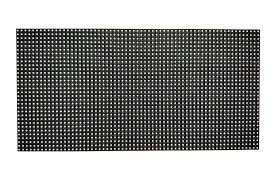
At its core, an LED LCD display uses a traditional LCD panel which modulates light to form images, but replaces the conventional cold cathode fluorescent lamp (CCFL) backlight with LED backlighting. This transition was pivotal, providing numerous performance and sustainability benefits. LED backlights can be implemented in various configurations — edge-lit, direct-lit, and full-array (local dimming) — each offering different advantages depending on the use-case scenario.
Technical parameters typically defining LED LCD displays include:
- Resolution: Ranging from HD (1280×720) to Ultra HD (3840×2160) and beyond, catering to different applications.
- Brightness: Generally between 250 cd/m² to over 1000 cd/m² for high dynamic range (HDR) content.
- Contrast Ratio: From several thousand up to 1,000,000:1 with full-array local dimming.
- Color Gamut: Often covering 95% to 99% of the DCI-P3 or sRGB color spaces.
- Refresh Rate: Standard 60 Hz up to 144 Hz or more for specialized displays.
- Response Time: Usually 5 ms or less for smooth motion rendering.
Practical Applications
LED LCD technology sees extensive deployment across multiple sectors:
1. Consumer Electronics: Televisions, computer monitors, and mobile devices benefit from compact form factors, high resolution, and vibrant color reproduction. For instance, OLED competitors notwithstanding, LED LCD TVs remain dominant due to cost-effectiveness and brightness capabilities.
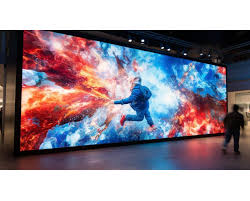
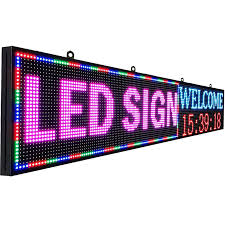
2. Digital Signage and Advertising: The high brightness and scalability of LED LCDs make them ideal for indoor and outdoor digital billboards, point-of-sale (POS) displays, and interactive kiosks. Full-array local dimming enhances visibility under direct sunlight.
3. Medical Imaging: Medical-grade LED LCD monitors provide accurate color rendition and detail necessary for radiology, pathology, and surgery, adhering to stringent DICOM (Digital Imaging and Communications in Medicine) standards.
4. Industrial and Military Use: Ruggedized LED LCD panels operate reliably under harsh conditions such as extreme temperatures, vibrations, and electromagnetic interference, critical for control rooms, avionics, and battlefield systems.
5. Automotive Displays: Dashboard clusters and infotainment systems employ LED LCDs for adjustable brightness and sharp visuals that enhance safety and user experience.
Advantages of LED LCDs
Compared to traditional CCFL-backlit LCDs, LED-backlit LCDs offer several measurable benefits:
- Energy Efficiency: LEDs consume up to 40% less power, a critical advantage for mobile and large-scale applications (Energy Star Program).
- Thin and Lightweight Designs: LEDs allow thinner displays, enabling sleek device profiles without compromising performance.
- Improved Brightness and Contrast: Local dimming with full-array LED backlighting achieves deeper blacks and improved HDR performance, enhancing contrast up to 100,000:1 or more.
- Longer Lifespan and Reliability: LEDs have superior durability and reliability compared to CCFLs, decreasing maintenance needs.
- Environmentally Friendly: LED backlights avoid hazardous materials like mercury, easing recyclability and compliance with RoHS directives.
Common Challenges
Despite advancements, LED LCDs face some challenges worth noting:
- Backlight Bleeding and Uniformity Issues: Edge-lit LED LCDs sometimes suffer from uneven illumination leading to visible bright spots.
- Color Accuracy Limitations: While high gamut coverage is typical, achieving perfect color reproduction requires careful calibration and quality LED selection.
- Viewing Angle Restrictions: LCD technology inherently restricts viewing angles compared to OLED, though technologies such as In-Plane Switching (IPS) mitigate this.
- Cost Factors: High-end full-array local dimming LED LCDs can be costly compared to standard edge-lit designs, impacting mass-market pricing.
Latest Trends and Innovations
The LED LCD display industry continues to advance through innovations such as:
- Mini-LED Backlighting: Utilizing thousands of tiny LEDs for backlighting, mini-LED technology dramatically improves local dimming granularity, contrast, and HDR capabilities, as adopted by leading display manufacturers like Apple and Samsung.
- Quantum Dot Enhancement Layers: Quantum Dot technology integrated with LED LCDs expands color gamut and peak brightness, delivering vibrant, accurate images, especially in premium television models.
- AI-driven Display Calibration: Artificial intelligence algorithms automatically optimize brightness, contrast, and color temperature based on ambient conditions and content type.
- Flexible and Transparent LED LCDs: Emerging applications in foldable devices and augmented reality combine LED and LCD innovations to create displays that can bend or offer see-through capabilities.
- Eco-Friendly Manufacturing Practices: Industry leaders implement low-impact production methods and recyclable materials aligned with global sustainability initiatives like the Sustainable Display Standards (SDS).
Conclusion
LED LCD display technology exemplifies a sophisticated integration of mature LCD principles with cutting-edge LED backlighting innovations, meeting the growing demands of clarity, efficiency, and adaptability. From consumer electronics to mission-critical industrial systems, LED LCDs remain integral to the visual communication landscape. Continuous advancements in mini-LED, quantum dot, and AI calibration are further pushing this display medium towards unparalleled visual performance and environmental responsibility, reinforcing its relevance for the foreseeable future.
References:
- Energy Star Program, U.S. Environmental Protection Agency, https://www.energystar.gov/productfinder/product/certified-displays
- Digital Imaging and Communications in Medicine (DICOM) Standard, https://www.dicomstandard.org/
- Society for Information Display (SID) Journal Articles, https://www.sid.org/
- International Electrotechnical Commission (IEC) Standards for Display Technologies, https://www.iec.ch/
- Samsung Display Technical Insights, 2023 MiniLED Technology Overview
- Apple Environmental Progress Report 2023













