

Advancements and Technical Standards in LED Display Manufacturing: A Comprehensive Guide for Industry Professionals
In the rapidly evolving field of LED display technology, the manufacturing of LED and LCD screens has become an intricate blend of advanced engineering, cutting-edge materials science, and rigorous quality standards. As a professional LED display engineer with extensive experience in screen fabrication and deployment, this article delves into the key advancements, technical parameters, and industry best practices that shape modern LED display manufacturing.
Introduction
LED displays have become indispensable across various industries, from advertising and entertainment to control rooms and medical imaging. The manufacturing process of these displays demands a nuanced understanding of component selection, panel architecture, and system integration. This article provides an authoritative overview of the technical nuances and quality benchmarks critical for producing high-performance LED displays that meet international standards such as IEC, ANSI, and ISO.
Core Components and Materials
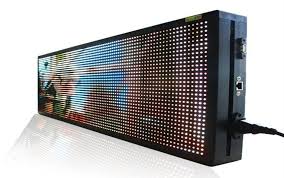
The backbone of LED displays lies in the semiconducting diodes themselves—usually composed of gallium nitride (GaN) or indium gallium nitride (InGaN) for blue and green light, paired with phosphor or direct red LEDs. Key parameters such as luminous intensity (measured in candelas per square meter, cd/m²), color gamut (often framed in terms of CIE 1931 standard), and pixel pitch significantly influence the visual output quality. Modern high-definition LED screens frequently feature pixel pitches ranging from 0.9 mm (micro-LEDs) to 2.5 mm for indoor environments, facilitating resolutions comparable to LCD counterparts.
Materials for the substrate and encapsulation also impact performance and longevity. Alumina ceramics and specialized glass epoxy substrates with high thermal conductivity support effective heat dissipation, which is vital to maintain stable luminance and color fidelity over device lifespan. Industry case studies published by the Society for Information Display (SID) have underscored that precise control of phosphor layer thickness and uniformity can extend display operational life by 20-30%.
Manufacturing Processes and Quality Control
The assembly stages encompass wafer fabrication, LED chip mounting, wire bonding, phosphor coating, and final panel integration. Automated pick-and-place machines and precision soldering technologies are indispensable to achieving consistent pixel alignment and minimal dead zones. According to IPC standards (IPC-A-610E for electronic assemblies), solder joints must exhibit defined mechanical robustness and electrical conductivity to ensure reliability under variable environmental stresses.
Thermal management remains a pivotal challenge; thermal interface materials (TIMs) and efficient heat sinks integrated into the LED modules prevent thermal runaway—keeping junction temperatures below 80°C to maintain optimal diode efficiency (normally rated forward current at 20mA or higher for display applications). Thermal simulation software, used in line with JEDEC JESD51 standards, helps optimize cooling solutions early in the design phase.
Advanced Technologies and Trends
The industry is witnessing remarkable innovations such as MicroLED displays, which employ microscopic LEDs directly as pixels, enabling ultra-high resolution, superior contrast ratios, and reduced power consumption compared to traditional LCD panels. This technology adheres to the International Electrotechnical Commission (IEC) standards for environmental resistance and longevity.
HDR (High Dynamic Range) capability integrated with wide color gamut standards (REC.2020 and DCI-P3) is becoming a benchmark for premium displays. These parameters require rigorous calibration during manufacturing to ensure uniform luminance and color reproduction—verified through spectroradiometric measurements and goniophotometer analyses.
Integration and Application Considerations
Durability against environmental factors—such as IP65 or higher water and dust resistance ratings—ensures viability in outdoor deployments. Vandal-resistant glass and anti-reflective coatings enhance usability in public installations. Design compliance with RoHS (Restriction of Hazardous Substances) and WEEE (Waste Electrical and Electronic Equipment) directives ensures environmental sustainability and legal compliance in export markets.
Conclusion
Producing state-of-the-art LED displays involves a sophisticated fusion of advanced materials, precision manufacturing, and adherence to global standards. By integrating proven methodologies from industry standards and leveraging emerging technologies like MicroLED and HDR, manufacturers can achieve displays with superior brightness, color accuracy, and reliability. Continuous innovation, coupled with rigorous quality assurance, remains essential for maintaining competitiveness and delivering sustainable, high-performance LED display solutions in a global marketplace.
This comprehensive approach ensures not only elevated user experiences but also contributes significantly to advancing the LED display industry's technical frontier and environmental stewardship.













