

LED Display Technology: Practical Applications, Advantages, Challenges, and Emerging Trends
LED display technology has revolutionized visual communication across multiple industries, becoming an indispensable tool for advertising, broadcasting, transportation, and public information systems. As a professional LED display engineer with extensive experience, I will delve into the practical applications, advantages, common challenges, and the latest trends in this ever-evolving field, supported by industry data and technical standards.
Practical Applications
The versatility of LED displays allows their use in diverse scenarios:
- Outdoor Advertising: High-brightness LED modules (typically exceeding 5,000 nits) offer excellent visibility under direct sunlight, making digital billboards and signage a dominant choice for advertisers worldwide. The industry standard for such applications is often governed by IEC 62087, which specifies power measurement for display devices.
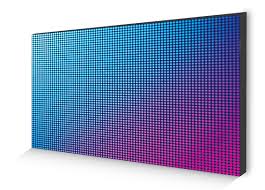
- Sports Stadiums and Event Venues: Large-scale LED video walls provide dynamic visuals with seamless integration into venues. The common pixel pitch ranges from 2 mm to 10 mm depending on viewing distance, with finer pitches enabling close-up viewing.
- Transportation and Public Safety: LED displays are critical for real-time transit information, traffic management, and emergency broadcasts. With a typical lifespan exceeding 100,000 hours (per manufacturer datasheets such as those from Nichia and Cree), these displays ensure reliable operation in harsh environments.
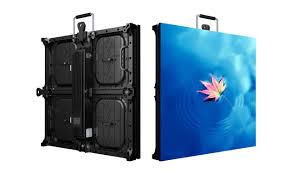
- Retail and Corporate Environments: Indoor LED walls with pixel pitches from 0.9 mm to 2.5 mm are widely adopted for corporate presentations and immersive advertising due to their high resolution and contrast ratios exceeding 5000:1.
Advantages of LED Displays
LED displays have several technical and economic advantages:
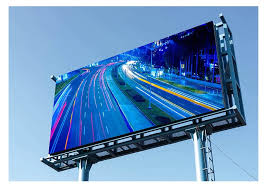
- High Brightness and Contrast: LED technology outperforms LCDs in brightness levels, enabling clear visibility even in direct sunlight, while their self-emitting diodes produce vibrant colors with true blacks.
- Energy Efficiency: According to the U.S. Department of Energy, LED displays consume 30-50% less energy compared to traditional lighting technologies, significantly reducing operational costs.
- Long Lifespan and Durability: The robust nature of LEDs, combined with advanced heat dissipation techniques, allows for operational life spans exceeding 100,000 hours under normal usage conditions. This translates to reduced maintenance frequency and costs.
- Modular Design and Scalability: LED panels can be composed into virtually any size or shape, offering incredible design flexibility without losing image quality or uniformity.
Common Problems and Mitigation Strategies
Despite these advantages, several challenges persist:
- Color Uniformity and Calibration Issues: Variations in diode aging and manufacturing tolerances can cause color shifts. Implementing automatic color calibration systems, such as those prescribed by ASTM E308, helps maintain consistent image quality.
- Heat Management: Excessive heat can degrade LED lifetime and color performance. Using high-quality heat sinks and active cooling systems ensures thermal stability.
- Pixel Failure and Dead LEDs: Pixel failure can be caused by solder joint fatigue or component defects. Employing high-quality components with strict production testing protocols reduces such incidents. Additionally, modular replacement designs allow for quick field repairs.
- Environmental Resistance: Outdoor LEDs must be IP65 rated or higher to withstand dust and water ingress according to IEC 60529 standards.
Emerging Trends in LED Display Technology
Innovation in LED display technology continuously pushes the boundaries of performance:
- MicroLED and MiniLED Technologies: These new types of LEDs offer higher pixel density, improved brightness, and energy efficiency, aiming to rival or surpass OLED displays in quality and lifetime. MicroLED displays with pixel pitches below 100 microns are becoming feasible for consumer products.
- Integration with IoT and AI: Smart LED displays can adjust brightness and content dynamically using environmental sensors and AI algorithms, enhancing user engagement and energy savings.
- Flexible and Transparent LED Displays: Advanced manufacturing techniques produce bendable and transparent panels, unlocking new possibilities in retail, automotive, and architectural designs.
- Higher Refresh Rates and HDR Support: For enhanced video and gaming experiences, LED displays now support refresh rates upwards of 240 Hz and high dynamic range formats compliant with HDR10+ standards.
In conclusion, LED display technology remains at the forefront of digital visual communication due to its unmatched brightness, efficiency, and adaptability. Understanding its practical applications, inherent advantages, common technical challenges, and emerging trends is critical for engineers and industry stakeholders seeking to implement or innovate LED display solutions. Continued adherence to technical standards and innovative advancement will drive the future growth and effectiveness of LED displays globally.













