

Fine Pitch LED Touchscreen Technology: Advancements, Specifications, and Applications
Fine pitch LED touchscreen technology represents a significant advancement in display engineering, combining the benefits of fine pitch LED displays with interactive touchscreen capabilities. This integration meets the rising demand for high-resolution, highly responsive displays in varied environments including control rooms, medical imaging, retail, and conferencing solutions.
Understanding Fine Pitch LED Technology
Fine pitch LEDs refer to LED display panels where the pixel pitch—the distance between the center of one LED cluster to the next—is less than 2.5 mm, often reaching as low as 0.7 mm in top-tier products. The narrow pixel pitch results in significantly enhanced image resolution, making these displays suitable for close viewing distances. According to the International Electrotechnical Commission (IEC) standards such as IEC 62290-1, smaller pixel pitches allow for higher pixel density, pushing the boundaries of visual clarity and color accuracy.
Technical Specifications and Design Parameters
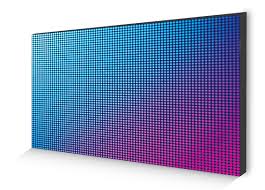
Key technical parameters defining a fine pitch LED touchscreen include:
- Pixel Pitch: Typically ranges from 0.7 mm to 2.5 mm. For instance, a 0.9 mm pixel pitch panel provides a pixel density upwards of 1,000,000 pixels per square meter.
- Brightness: High brightness levels around 800-1200 nits ensure visibility in various ambient light conditions.
- Color Depth and Gamut: 16-bit or higher color depth per channel produces over 281 trillion colors, complying with Rec. 709 or DCI-P3 color standards, enabling vivid and precise color reproduction.
- Refresh Rate: A refresh rate of at least 3840 Hz is preferred to provide flicker-free and smooth dynamic content.
- Touch Technology: Capacitive touch remains the standard, with multi-touch support (10 to 20 points), combined with anti-glare surface treatments for optimal viewing comfort. Additionally, projected capacitive (P-CAP) technology offers accurate, low-latency touch response essential for interactive applications.
Manufacturing Insights
Producing fine pitch LED touchscreens demands meticulous precision and quality control. The placement accuracy of LEDs must be within ±0.03 mm to avoid dead zones or color distortion. Advanced surface-mount technology (SMT) machines, paired with automated optical inspection (AOI), ensure each LED cluster’s uniformity and alignment. The adoption of micro-LED technology is emerging, promising even higher pixel densities and efficiency, though it remains in early-stage industrial deployment.
Applications and Industry Use Cases
The integration of fine pitch LED displays with touchscreen functionality has revolutionized various sectors:
- Control Rooms: Operators require high-resolution visual data with touch access to manipulate controls in real-time. Fine pitch LED touchscreens provide sharp visuals and responsive controls critical for safety and productivity.
- Healthcare: In medical imaging, ultra-clear interactive displays allow practitioners to zoom and annotate images such as MRIs or X-rays with precision, enhancing diagnostic accuracy.
- Corporate and Education: Meeting rooms and classrooms benefit from interactive fine pitch LED walls facilitating collaborative work, video conferencing, and digital whiteboarding.
- Retail and Advertising: These touchscreens enable immersive, interactive digital signage capable of attracting and engaging customers through detailed visuals and touch interactions.
Challenges and Future Trends
Fine pitch LED touchscreen technology faces challenges such as higher manufacturing costs and thermal management complexities. Heat dissipation is critical to maintain LED lifespan and touch sensor reliability, requiring innovative cooling solutions such as micro-heat pipes or active ventilation.
Nevertheless, the trajectory points toward thinner, lighter panels with even smaller pixel pitches (sub-0.5 mm). The fusion with newer materials like graphene for flexible touch overlays and integration with AI-driven content management systems will further enhance interactivity and user experience.
Conclusion
Fine pitch LED touchscreen technology is reshaping the display landscape by offering ultra-high definition, interactive surfaces fit for modern professional and consumer demands. The combination of meticulous engineering, adherence to industry standards, and versatile applications underscores its growing importance. Stakeholders seeking to deploy this technology must consider pixel pitch precision, touch accuracy, brightness, and thermal design to ensure optimal performance and longevity.
For further detailed specifications and implementation guidelines, refer to IEC 62290-1, SMPTE 431-2 standard for color calibration, and industry reports from LEDinside and Display Supply Chain Consultants (DSCC).













