

Advanced LED Display Technologies: Practical Applications, Advantages, Common Challenges, and Emerging Trends
LED display technology has revolutionized visual communications over the past two decades, becoming a cornerstone in various industries such as advertising, broadcasting, transportation, and public information systems. As a professional LED display engineer with extensive experience, this article offers an in-depth analysis of the practical applications, advantages, common challenges, and emerging trends shaping the future of LED screens.
Practical Applications of LED Displays
LED (Light Emitting Diode) displays are versatile in deployment, ranging from small indoor digital signage to massive outdoor billboards and stadium screens. Their adaptability in pixel pitch—ranging from ultra-fine pitches of 0.7mm suitable for close-up indoor viewing to larger pitches of 20mm or more for distant outdoor visibility—makes them indispensable for various environments.
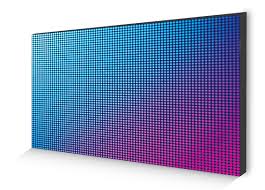
In the retail sector, LED displays serve as dynamic advertising canvases that enable content customization in real time, significantly boosting engagement rates. In transportation hubs like airports and train stations, they provide passengers with continuously updated schedules and safety messages, which contribute to operational efficiency and passenger convenience.
Broadcast studios increasingly rely on LED video walls to create customizable backdrops that enhance visual storytelling while reducing the physical space traditionally required for set design. Additionally, in the realm of sports and entertainment, LED stadium screens provide immersive viewing experiences with ultra-high brightness and wide viewing angles up to 160 degrees horizontal and vertical.
Advantages of LED Display Technology
One of the outstanding advantages of LED displays lies in their high brightness levels, often reaching 5,000 to 10,000 nits for outdoor models, making them visible even under direct sunlight. Their energy efficiency—LED panels consume up to 50% less power compared to LCDs of equivalent size—ensures lower operational costs and sustainability.
LED displays boast remarkable longevity, with high-grade modules offering lifespans exceeding 100,000 hours under optimal operating conditions. Their modular structure facilitates easy maintenance, allowing individual panels or modules to be replaced without dismantling the entire system.
Furthermore, the broad color gamut and high refresh rates—typically above 1920 Hz—enable flicker-free visual output essential for HD video playback and live broadcasting. The flexibility in form factor supports curved, flexible, and transparent display designs, enabling innovative installations that traditional displays cannot match.
Common Problems and Mitigation Strategies
Despite their tremendous benefits, LED displays can encounter several challenges during manufacturing and deployment. Typical issues include pixel failure, color inconsistency, and thermal management difficulties.
Pixel failure, often caused by solder joint fatigue or LED chip degradation, can lead to dead or stuck pixels. Implementing high-quality surface-mount device (SMD) LEDs with robust encapsulation and frequent quality control testing per standards such as the IEC 62717 ensures enhanced reliability.
Color inconsistency arises due to variations in LED binning or aging effects. Employing stringent binning procedures during LED selection and utilizing advanced calibration software that adjusts color temperature and brightness on a pixel level help maintain uniformity throughout the display’s operational life.
Thermal management is critical since LEDs generate heat that, if not properly dissipated, can reduce lifespan and cause performance degradation. Using aluminum backplanes with integrated heat sinks and incorporating active cooling mechanisms in high-brightness outdoor installations mitigates this problem effectively.
Emerging Trends in LED Display Technology
The LED display industry is witnessing several noteworthy advancements that are set to define the next generation of visual display systems. MicroLED technology, characterized by microscopic LEDs that enable even smaller pixel pitches (sub-0.5mm), is revolutionizing high-resolution displays, promising unparalleled image clarity and energy efficiency. Companies like Sony and Samsung have showcased microLED TV prototypes, moving closer to commercial viability.
Additionally, the integration of AI-driven content management allows real-time content optimization based on audience demographics, environmental conditions, and time of day, enhancing targeted marketing performance. The rise of transparent LED displays supports innovative applications such as smart windows and retail storefronts without compromising natural light or visibility.
Another significant trend is the adoption of IP65 or higher ratings in outdoor LED displays to ensure resistance against dust and water ingress, which aligns with global standards like IEC 60529. This robustness extends the suitability of LEDs into challenging environments including marine and industrial applications.
In the context of sustainability, the industry is focusing on recyclable materials and energy-efficient driver electronics adhering to Energy Star guidelines to reduce ecological impact. Furthermore, flexible and curved LED panels enable immersive installations in architecture and automotive sectors, providing new opportunities for creative expression.
Conclusion
LED display technology continues to evolve with significant advancements that enhance display quality, durability, and versatility. Its practical applications span diverse environments, delivering critical visual communication solutions that are highly energy-efficient and customizable. Understanding common challenges and deploying best practices in manufacturing and maintenance ensures optimal performance and longevity. Emerging trends like microLED, AI integration, and flexible form factors promise to elevate the capabilities of LED displays beyond current limitations, securing their role as the future standard for next-generation visual interfaces.
For engineers, manufacturers, and end-users alike, staying abreast of these technological developments and adhering to industry standards such as IEC 61347 and IEC 62031 will be crucial in leveraging the full potential of LED display systems in a rapidly evolving digital landscape.
References
- IEC 62717: LED modules for general lighting — Performance requirements
- IEC 60529: Degrees of protection provided by enclosures (IP Code)
- Energy Star Program Requirements for Displays
- Electronics Weekly, MicroLED: The next generation in display technology
- Samsung and Sony MicroLED product briefs
- AVIXA LED Display Handbook













