

Advanced Insights into LED Display Manufacturing: Applications, Advantages, Challenges, and Industry Trends
LED display technology has revolutionized the visual communication landscape, offering unmatched brightness, versatility, and energy efficiency. As an experienced LED display engineer with extensive industry knowledge, I will detail critical aspects of LED display manufacturing—including practical applications, inherent advantages, common challenges, and the latest technological trends shaping the future of the industry.
Understanding LED Display Technology:
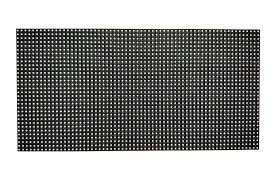
At its core, an LED (Light Emitting Diode) display comprises individual LEDs densely packed into modules, which assemble into panels to form large-scale screens. These LEDs emit light when current passes through semiconductor materials, allowing displays to produce vivid and bright images with superior color reproduction.
Key technical parameters that define LED displays include pixel pitch, brightness (measured in nits), refresh rate, contrast ratio, and viewing angle. For instance, pixel pitch—the distance in millimeters between the center of two adjacent pixels—determines the display’s resolution and clarity. Displays with smaller pixel pitch (e.g., 1.2mm to 2.5mm) are suitable for close-range viewing such as indoor control rooms, while larger pitches (e.g., 4mm to 10mm) are optimized for outdoor advertising viewed from afar. Typical brightness levels for outdoor LED screens range from 5,000 to 8,000 nits to maintain visibility in daylight.
Practical Applications of LED Displays:
The versatility of LED displays spans multiple sectors. Below are key application areas:
1. Outdoor Advertising and Digital Signage: Their high brightness and weather-resistant designs make LED screens ideal for billboards, transportation hubs, and stadiums. Dynamic content updates with remote management capabilities enable advertisers to tailor messages in real-time.
2. Event and Entertainment Industry: LED walls and curved LED displays provide immersive stage backdrops and visual effects in concerts, conferences, and television broadcasting. High refresh rates (above 3840Hz) reduce flicker, ensuring quality video capture.
3. Corporate and Control Rooms: Indoor LED displays with fine pixel pitch enable data visualization, real-time monitoring, and enhanced communication in security control centers, meeting rooms, and command consoles.
4. Retail and Hospitality: Interactive kiosks, digital menus, and wayfinding systems improve customer engagement, leveraging LED’s vibrant imagery to attract consumers.
Advantages over Traditional Display Technologies:
LED displays offer several superior attributes compared to LCD or projection-based solutions:
- Brightness and Visibility: LEDs inherently emit light, resulting in better visibility under direct sunlight without backlighting, unlike LCDs.
- Wide Viewing Angles: Often exceeding 140°, LED displays ensure consistent image quality for viewers at various positions.
- Energy Efficiency: Modern LED modules incorporate advanced driver ICs and power management, reducing energy consumption by up to 30% compared to older display technologies.
- Longevity and Reliability: With typical lifespans exceeding 100,000 hours, LED displays offer durable performance. IP65-rated enclosures provide dust and water resistance in outdoor environments.
- Flexibility in Configurations: Modular design permits custom screen sizes, shapes, even curved or transparent setups that cater to architectural aesthetics.
Common Challenges and Solutions:
Despite their advantages, LED display manufacturing and operation face some technical hurdles:
- Thermal Management: Heat generation can degrade LED performance and lifespan. Industry-best practices employ aluminum substrates with heat sinks and active cooling systems to maintain optimal operating temperatures (typically below 60°C).
- Color Calibration and Uniformity: Ensuring consistent color reproduction across large arrays demands precise binning of LEDs and regular calibration using photometric tools aligned with standards like the CIE 1931 color space.
- Pixel Failure and Dead Spots: Manufacturing defects or component aging may cause pixel outages. Implementing redundancy and maintenance protocols, such as automated software diagnostics, helps promptly detect and mitigate these issues.
- Power Supply and Signal Transmission: Long cable runs can lead to voltage drops and signal degradation. Utilizing robust power distribution and high-speed data interfaces like HUB75 or newer options assures reliable operation.
Recent Trends and Innovations:
The LED display industry continues to evolve with new technological breakthroughs:
- Mini-LED and Micro-LED Technologies: Offering pixel pitches below 1mm, these technologies integrate smaller LEDs to deliver ultra-high resolution suitable for premium indoor applications and augmented reality displays.
- Transparent LED Displays: With up to 70% transparency, these enable innovative applications in retail storefronts and architectural glass, maintaining visibility while presenting dynamic content.
- AI-Powered Content Management: Advanced software platforms leverage artificial intelligence to optimize content display based on viewer demographics, environmental illumination, and context.
- Energy Harvesting and Eco-friendly Initiatives: New materials and power circuits aim at reducing the environmental impact of displays, incorporating recyclable elements and smart energy-saving modes.
- Integration with IoT: Smart LED displays connected to IoT networks enable data-driven decisions in advertising, retail analytics, and city infrastructure monitoring.
Industry Standards and Quality Assurance:
Manufacturing ensures compliance with international standards such as IEC 62368-1 for safety and RoHS directives for hazardous substances. Additionally, testing procedures aligned with ASTM standards validate brightness uniformity, color accuracy, and environmental durability.
Conclusion:
The LED display manufacturing sector combines sophisticated engineering with cutting-edge technology to deliver solutions across a broad spectrum of applications. Understanding the technical underpinnings, recognizing operational challenges, and embracing innovation are pivotal to building reliable and high-performance LED displays that meet the demands of a global market.
References:
- International Electrotechnical Commission (IEC) Standards: IEC 62368-1
- Society for Information Display (SID) Reports on LED Technology
- CIE 1931 Color Space: Commission Internationale de l'Eclairage
- Technical Whitepapers by LED manufacturer Nichia Corporation and Samsung Display
- Industry case studies from the LED Display Association (LEDA)













