

Advances and Best Practices in LED Display Manufacturing for Enhanced Performance and Durability
In the rapidly evolving landscape of display technology, LED (Light Emitting Diode) displays have solidified their presence as the preferred choice for applications demanding high brightness, superior contrast, and energy efficiency. As a seasoned LED display engineer, I will delve into the critical factors shaping contemporary LED LCD screen manufacturing, supported by industry standards, case studies, and the latest technical insights.
The manufacturing process of LED displays involves intricate steps designed to optimize panel quality, durability, and performance metrics such as brightness uniformity, color accuracy, and longevity. Modern manufacturing predominantly uses surface-mount technology (SMT) to place LEDs on the display substrate with precision, ensuring a pixel pitch tailored to specific applications—ranging from 0.9mm for close-viewing indoor displays to 10mm or higher for large outdoor screens.
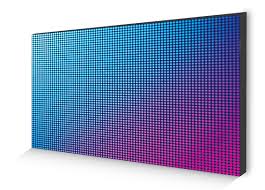
Key Technical Parameters in LED Display Manufacturing
1. Pixel Pitch: The distance between the centers of adjacent pixels directly influences resolution and viewing distance. For indoor applications such as control rooms or retail signage, pixel pitches between 0.9mm and 3mm are optimal to ensure high-definition visuals without visible pixelation. Conversely, outdoor displays benefit from pixel pitches of 6mm or higher to balance visibility at greater distances and cost-effectiveness.
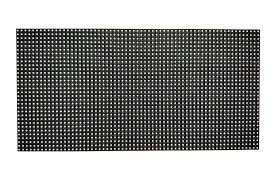
2. Brightness and Contrast Ratio: LED displays typically achieve peak brightness levels ranging from 800 nits for indoor use up to 6,000 nits or more for outdoor environments. Adhering to standards such as IEC 62676-4 facilitates establishing minimum luminance to guarantee clear visibility under ambient light conditions. High-quality driver ICs and modular power supplies contribute significantly to maintaining consistent brightness while minimizing flicker and power consumption.
3. Color Accuracy and Gamut: Employing state-of-the-art LED chips that meet Rec. 709 or DCI-P3 color standards enhances color fidelity. Advanced calibration techniques, including automated color management systems during the manufacturing phase, are essential to ensure uniform color reproduction across the display surface, an attribute crucial for broadcast applications and digital signage.
4. Thermal Management: Efficient heat dissipation mechanisms, including aluminum backplanes, heat sinks, and active cooling systems, prolong LED lifespan and prevent color shifts caused by thermal stress. Industry data indicates that improper thermal design is a leading contributor to premature pixel failure and reduced Mean Time Between Failures (MTBF).
5. Mechanical and Environmental Durability: Adherence to IP65 or higher ingress protection ratings ensures resistance to dust and water, critical for outdoor installations. Robust mechanical design minimizes deformation caused by wind loads or physical impact, thereby preserving panel integrity.
Industry Standards and Quality Control
Compliance with recognized standards such as IEC 62471 (Photobiological safety of lamps and lamp systems) and IEC 62291-1 (LED modules for general lighting — Performance requirements) underpins product safety and reliability. Rigorous quality control protocols involve both automated optical inspection (AOI) and electrical testing at the module and panel level, coupled with environmental stress testing (temperature cycling, humidity, and vibration).
A case study from a leading manufacturer demonstrated that integrating an AI-driven defect detection system reduced product failure rates by 30%, emphasizing how technological advancements are improving yield and quality in mass production.
Emerging Trends Influencing LED Display Manufacturing
Hybrid technologies combining MicroLED and traditional LED panels are emerging, offering enhanced pixel density with lower power consumption. Additionally, ultra-fine pitch LED displays are entering mass production, pushing resolutions beyond 2K for direct-view applications, competing aggressively with OLED and mini-LED technologies.
Sustainability is also a growing factor; manufacturers are prioritizing recyclable materials and adopting low-energy component designs to align with green manufacturing initiatives and corporate social responsibility standards.
Conclusion
The LED display manufacturing process is a multifaceted discipline spanning material science, electrical engineering, and rigorous quality management to meet the complex demands of modern visualization applications. By adhering to industry standards, implementing robust calibration and testing protocols, and embracing innovative technologies, manufacturers can deliver LED displays that are not only visually stunning but also highly reliable and durable. Continuous improvement driven by data analytics and automation will cement LED technology’s status as the backbone of large-scale digital displays worldwide.













