

Advanced LED LCD Display Manufacturing: Insights, Standards, and Technical Innovations
The LED LCD display industry has experienced rapid technological advancements in recent years, driven by increasing demand for high-resolution, energy-efficient, and durable screens across various applications—from consumer electronics to outdoor digital signage. As a professional LED display engineer with extensive experience, this article delves into critical aspects of LED LCD manufacturing, encompassing technical parameters, industry standards, practical challenges, and innovative solutions that define contemporary display technologies.
Key Technical Parameters in LED LCD Manufacturing
Understanding the core technical parameters is fundamental to producing high-quality LED LCD screens. Key metrics include:
- Resolution and Pixel Density: Modern LED LCDs often exceed Full HD (1920x1080) for consumer products and venture into 4K (3840x2160) or even 8K resolutions for specialized applications. Higher pixel density (measured in pixels per inch, PPI) ensures sharper images and text clarity. For outdoor displays, pixel pitches typically range from 1.2mm to 10mm depending on viewing distances and use cases.
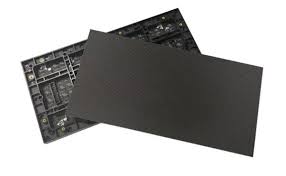
- Brightness and Contrast Ratio: Brightness levels, measured in nits (cd/m²), substantially influence display visibility in different lighting environments. Indoor LED LCDs range between 250 to 500 nits, while outdoor models must often exceed 2000 nits to counter direct sunlight. Contrast ratio, representing the luminance difference between black and white, ideally achieves a value above 1000:1 to preserve image depth and color fidelity.
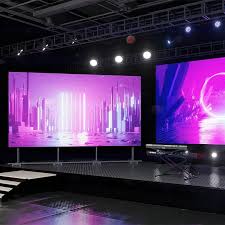
- Color Accuracy and Gamut: Utilizing LED backlighting, manufacturers can achieve wide color gamut coverage—commonly sRGB or DCI-P3 standards. Color accuracy is evaluated using Delta E metrics, with values below 2 considered excellent for professional visual applications.
- Response Time and Refresh Rate: Display responsiveness is crucial for dynamic content, particularly in broadcast and gaming contexts. Response time is typically around 5-10 milliseconds for LCDs utilizing LED backlights, and refresh rates range from 60Hz to 240Hz or higher to reduce motion blur.
Industry Standards and Quality Control
Adherence to international standards ensures product reliability and interoperability:
- IEC 62368-1 governs safety requirements for audio/video and information technology equipment, including LED LCD displays.
- ISO 9241-307 outlines ergonomic requirements for electronic visual displays focusing on visual performance characteristics.
- RoHS and REACH directives regulate the use of hazardous substances, emphasizing environmentally friendly manufacturing processes.
Quality assurance incorporates various testing phases such as:
- Burn-in Testing: Continuous operation for 72 hours to detect early component failures in LEDs or driver circuitry.
- Environmental Stress Testing: Thermal cycling and humidity exposure simulate real-world scenarios to validate long-term durability.
- Optical Measurements: Spectroradiometers assess color gamut, uniformity, and luminance distribution to guarantee display consistency.
Challenges and Solutions in LED LCD Manufacturing
Manufacturers face technical and logistical challenges such as:
- Uniformity Across Large Panels: Achieving consistent brightness and color across expansive displays requires precise LED binning and uniform backlight diffusion layers. Advanced algorithmic calibration and factory-level pixel correction minimize discrepancies.
- Thermal Management: Heat generated by backlight LEDs may degrade display components. Implementing efficient heat sinks, thermal interface materials, and optimized chassis design helps maintain operational stability.
- Supply Chain Optimization: The global LED supply chain must contend with component shortages and price fluctuations. Strategic sourcing and vertical integration can mitigate these risks.
- Sustainability Considerations: Recycling and use of non-toxic materials are increasingly critical. The industry is advancing toward designs that facilitate disassembly and recovery of rare earth elements from LEDs.
Innovations Driving the Future
Current developments are pushing LED LCD technology towards more immersive and efficient displays:
- Mini-LED and Micro-LED Backlighting: These technologies enable thousands to millions of ultra-small LEDs acting as local dimming zones, drastically improving contrast ratios and HDR capabilities.
- Quantum Dot Integration: By incorporating quantum dots in LED backlights, displays offer enhanced color purity and energy efficiency.
- Flexible and Transparent Displays: Emerging manufacturing techniques allow for bendable LCD modules with LED backlights, opening new possibilities in automotive HUDs and wearable electronics.
- AI-Based Calibration: Artificial intelligence systems automate individual pixel adjustment, optimize power consumption, and prolong display lifespan dynamically.
Conclusion
The manufacture of LED LCD displays is a multidisciplinary endeavor requiring precision engineering, a deep understanding of optical and electronic principles, and adherence to stringent global standards. Industry players adopting innovative backlighting methods, robust quality control, and sustainable practices position themselves competitively in a market characterized by rapid technological evolution and demanding customers. For engineers and manufacturers alike, continuous investment in R&D and process optimization remains crucial to delivering vibrant, reliable, and efficient LED LCD displays capable of meeting diverse application demands worldwide.
References:
1. International Electrotechnical Commission (IEC) 62368-1 standard
2. International Organization for Standardization (ISO) 9241-307 ergonomic requirements
3. Semiconductor Industry Association (SIA) reports on LED advancements
4. Society for Information Display (SID) published papers on mini-LED and Micro-LED technologies













