

LED Display Technology: Innovations, Applications, and Practical Insights for Modern Industries
LED display technology has revolutionized visual communication in a diverse range of industries worldwide. As a professional in the LED display engineering field, this article seeks to provide an authoritative overview of LED displays, encompassing technical parameters, practical applications, advantages, common challenges, and the latest innovations shaping this dynamic sector.
Understanding LED Display Technology
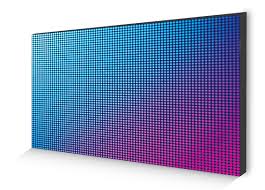
LED (Light Emitting Diode) displays consist of an array of light sources that collectively form images, videos, or text. The primary technical specifications defining LED displays include pixel pitch, brightness, refresh rate, color accuracy, viewing angle, and lifespan. Pixel pitch, measured in millimeters, denotes the distance between adjacent pixels and directly affects resolution and image clarity. Leading models achieve pixel pitches under 1mm for micro-LED applications, delivering ultra-high resolution suitable for close-range viewing. Brightness levels typically range from 800 to over 5,000 nits, with outdoor displays requiring higher luminance to maintain visibility under direct sunlight, meeting standards such as those outlined by the Illuminating Engineering Society (IES). Refresh rates of 960Hz or higher are crucial in eliminating flicker, especially in video recording or broadcasting contexts.
Practical Applications Across Industries
The versatility of LED displays is reflected in their widespread adoption:
- Advertising and Marketing: Outdoor billboards and indoor digital signage use vibrant LED panels to deliver dynamic content, significantly outperforming traditional static signs in attracting consumer attention.
- Sports and Events: High-definition LED screens provide real-time score updates, live broadcasts, and immersive spectator experiences in stadiums and arenas.
- Transportation and Public Safety: LED displays are critical in airports, train stations, and roadways for real-time information dissemination and emergency notifications.
- Retail and Hospitality: Interactive LED walls create engaging customer environments, improving brand experience and foot traffic.
- Broadcast and Control Rooms: High-resolution LED video walls facilitate complex data visualization and seamless media production workflows.
Advantages of LED Displays
Several characteristics position LED technology as the preferred display solution:
1. Exceptional Brightness and Contrast: LEDs offer superior brightness and contrast ratios compared to LCDs, ensuring clear image visibility in diverse lighting conditions.
2. Energy Efficiency: LED panels consume less power due to their direct light emission, supporting sustainability goals and lowering operational costs.
3. Durability and Longevity: LEDs are solid-state devices with lifespans often exceeding 100,000 hours under typical usage, and robust against environmental factors like moisture and temperature fluctuations.
4. Flexibility and Scalability: Modular LED panels can be assembled in varying sizes and shapes, including curved or transparent configurations, providing unmatched design freedom.
Common Challenges in LED Display Implementation
Despite numerous advantages, industry deployments often encounter specific challenges:
- Pixel Failure and Color Uniformity: Over time, individual LEDs may degrade, causing dead pixels or color inconsistencies that require sophisticated calibration systems and maintenance protocols.
- Heat Dissipation: High brightness LEDs generate significant heat, necessitating efficient thermal management solutions to prevent performance degradation.
- Installation and Calibration Complexity: Large-scale LED video walls require meticulous alignment and color calibration to achieve seamless image quality, often demanding professional expertise and advanced software tools.
- Cost Considerations: High-resolution LED displays, especially micro-LED technology, involve considerable upfront investment, which can be a barrier for smaller enterprises.
Emerging Trends and Innovations
The LED display industry continues to evolve with innovative advancements:
- Micro-LED Technology: Offering unparalleled pixel density and efficiency, micro-LED promises a new era in transparent displays, wearable devices, and next-generation televisions.
- AI-Driven Content and Calibration: Artificial intelligence enhances real-time content optimization and adaptive calibration, improving user engagement and reducing manual maintenance workload.
- Flexible and Transparent LEDs: The development of bendable and see-through panels enables seamless integration of digital displays into architectural elements and automotive glass.
- Sustainability Initiatives: Manufacturers increasingly emphasize eco-friendly materials, recycling programs, and energy-saving designs to align with global environmental standards such as RoHS (Restriction of Hazardous Substances) and WEEE (Waste Electrical and Electronic Equipment Directive).
Industry Standards and Quality Assurance
LED display manufacturing adheres to rigorous quality standards to ensure product reliability and safety. Key certifications include CE (Conformité Européenne) marking for compliance with European directives, FCC (Federal Communications Commission) regulations for electromagnetic emissions, and ISO 9001 for quality management systems. These standards govern manufacturing processes, component sourcing, and environmental impact, underscoring product integrity and customer assurance.
Conclusion
The multifaceted capabilities of LED displays, underpinned by continuous technological advancements, empower industries to deliver visually compelling, energy-efficient, and reliable solutions for their communication needs. Addressing common challenges with innovative practices and adhering to industry standards ensures the long-term success and evolution of LED display applications. As the market progresses toward micro-LED and intelligent display systems, professionals must remain vigilant in adopting emerging technologies to maintain competitive advantage and meet the growing demands for visual excellence globally.













