

Advancements and Technical Insights in LED LCD Screen Manufacturing: A Comprehensive Guide
The global demand for LED LCD screens has experienced exponential growth over the past decade due to their superior display quality, energy efficiency, and versatility across diverse applications—from consumer electronics to large-scale digital signage. As a seasoned LED display engineer with extensive experience in the manufacturing process, this article delves deeply into the technical parameters, industry standards, and recent advancements that define the quality and performance of LED LCD screens.
Understanding LED LCD Screen Technology
LED LCD technology merges two pivotal systems: the Liquid Crystal Display (LCD) panel and the Light Emitting Diode (LED) backlighting. The LCD panel is responsible for image generation through precise manipulation of liquid crystals that modulate light based on electrical signals. LED backlighting enhances this by providing uniform, bright, and energy-efficient illumination behind the panel.
The manufacturing process starts with the selection of LED types—commonly categorized into Edge-Lit and Direct-Lit LEDs. Edge-Lit LEDs position diodes along the display’s edges, providing a slimmer profile but sometimes suffering from uneven brightness distribution, whereas Direct-Lit LEDs place diodes behind the entire screen area, offering superior uniformity and higher contrast ratios.
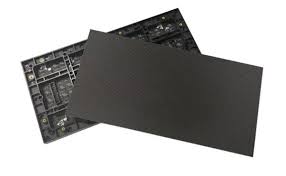
Key Technical Parameters
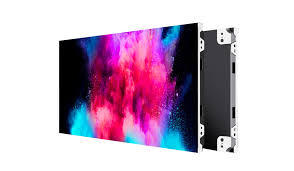
1. Resolution and Pixel Density:
Resolution determines the sharpness and detail of images. Standard Full HD (1920x1080), 4K Ultra HD (3840x2160), and emerging 8K (7680x4320) resolutions demand increasingly fine pixel pitches, where pixel density is measured in pixels per inch (PPI). For LED LCDs, maintaining high PPI while controlling power consumption is a critical manufacturing challenge.
2. Brightness and Contrast Ratio:
Typical LED LCD displays achieve brightness levels of 250 to 1000 cd/m² (nits), with professional-grade digital signage screens reaching up to 2000 nits for outdoor visibility. Contrast ratio, often exceeding 5000:1, affects how vividly the display renders black and white ratios. Innovative local dimming and quantum dot technologies significantly enhance these parameters.
3. Color Gamut and Accuracy:
The industry standard for color gamut is DCI-P3 or BT.2020 for next-generation displays. Utilizing quantum dot enhancement films (QDEF) in combination with LED backlights allows for a wider color gamut surpassing traditional sRGB standards, which is essential for accurate image reproduction in broadcast and medical imaging applications.
4. Response Time and Refresh Rate:
Response times under 5 milliseconds and refresh rates ranging from 60Hz to 240Hz are crucial for reducing motion blur and providing smooth visuals—particularly in gaming and professional simulation sectors.
Adhering to Industry Standards and Quality Control
Quality and safety standards are paramount. Manufacturers comply with international certifications such as ISO 9001 for quality management, IEC 62368-1 for safety requirements, and RoHS directives limiting hazardous substances. Rigorous testing protocols—including burn-in, thermal cycling, and photometric evaluation—ensure product reliability and longevity.
Case Study: Implementing OLED vs. LED LCD in High-End Displays
A comparative evaluation between OLED and LED LCD panels, based on a project involving control room displays, revealed LED LCD’s advantages in longevity, brightness under ambient light, and cost efficiency. However, OLED maintains superior contrast and response times. The integration of mini-LED backlighting within LCD frameworks represents a hybrid approach, marrying OLED’s black-level precision with LED LCD’s scalability.
Manufacturing Challenges and Innovations
The precision required in LED placement and LCD matrix alignment necessitates advanced automation and meticulous calibration. Advances in computer vision and AI-powered quality inspection have significantly reduced defective units. Additionally, micro-LED technology is gaining traction, promising self-emitting pixels with higher brightness, lower power consumption, and extended lifespan—albeit with current high manufacturing complexity.
Environmental Considerations
Sustainability has become a critical factor; manufacturers are increasingly adopting recyclable materials, reducing hazardous chemicals, and enhancing energy efficiency. LED LCD technology inherently consumes less power than legacy CCFL-backlit LCDs, aligning with global energy standards such as ENERGY STAR.
Conclusion
LED LCD screen manufacturing is an evolving field where expert knowledge, stringent quality control, and cutting-edge technology converge to produce displays that meet diverse market demands. Understanding the intricate technical parameters and industry benchmarks enables stakeholders to optimize product design and deployment for superior performance and longevity. As innovations such as micro-LED and quantum dot technologies mature, the future of LED LCD displays promises even greater image fidelity, durability, and environmental compatibility.
References:
- ISO 9001 Quality Management Systems, ISO, 2015
- IEC 62368-1 Audio/Video and Information Technology Equipment Safety Standard, IEC, 2020
- ENERGY STAR Program Requirements for Displays, U.S. EPA, 2023
- "Advances in LED Backlighting and Quantum Dot Technology," Journal of Display Technology, IEEE, 2022













