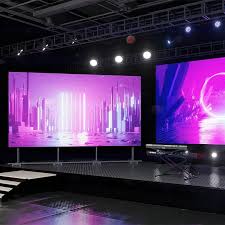
Advanced Techniques and Considerations in LED Display Manufacturing for Optimal Performance
The manufacturing of LED displays requires a deep understanding of both the technical aspects and practical challenges inherent in the production process. With the increasing demand for high-resolution, energy-efficient, and durable LED screens in applications ranging from large outdoor billboards to indoor retail displays, industry professionals must rely on rigorous engineering principles and cutting-edge technology to achieve optimal performance.
One of the foundational elements in LED display manufacturing is the selection of high-quality Light Emitting Diodes (LEDs). The choice depends on several parameters including luminous intensity, viewing angle, color consistency, and energy efficiency. According to the International Electrotechnical Commission (IEC 62717 standards), LEDs must meet strict photometric and chromaticity requirements to ensure uniform brightness and color accuracy across the display. This standardization is critical as variations can lead to visible inconsistencies that degrade the user experience.
Equally important is the design and integration of the printed circuit boards (PCBs). High-density PCB design allows for compact module construction, enabling displays with finer pixel pitches. This is particularly vital for indoor displays targeting ultra-high resolution. State-of-the-art PCB materials and surface-mount technology (SMT) provide excellent thermal management and reduce signal interference, maintaining the longevity and reliability of the panels in varying environmental conditions.
Thermal management in LED displays is a technical challenge that manufacturers must address diligently. LEDs generate heat during operation, which if not properly dissipated, accelerates luminance degradation and shortens the lifespan of the display. Engineers employ heat sinks, heat pipes, and thermally conductive materials such as aluminum alloy backsheets to maintain optimal operating temperatures. According to research published by the Society for Information Display (SID), proper thermal design can extend LED life expectancy by up to 30%, reflecting both cost-saving and sustainability.
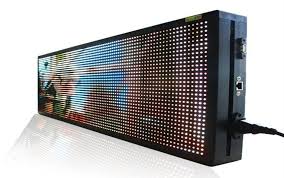
The control system architecture is another pillar for creating seamless, high-performance LED displays. Modern systems utilize Field Programmable Gate Arrays (FPGAs) combined with advanced drive ICs to handle massive data throughput required for high refresh rates (≥3840 Hz) and accurate grayscale levels (up to 16-bit per color channel). These technical parameters minimize flicker and color banding, which are crucial for broadcasting environments or medical imaging where image fidelity is paramount.
Additionally, calibration plays a critical role post-assembly. Using photometric calibration equipment, engineers adjust individual LED outputs to achieve precise color uniformity and brightness consistency. In large-scale displays, modules undergo automated calibration testing with spectroradiometers and integrating spheres to map and correct discrepancies. This practice aligns with guidelines from the IEC 61347 series, ensuring that displays meet the desired luminance and chromaticity standards throughout their operational lifetime.
Manufacturers must also consider environmental resilience. From IP-rated enclosures protecting displays against water and dust (IP65 or higher for outdoor applications) to UV-resistant materials that prevent color fading over time, product durability is as important as performance. For instance, P10 LED modules used in outdoor advertising consistently demonstrate robust performance under varying weather conditions, reflecting attention to material selection and sealing techniques.
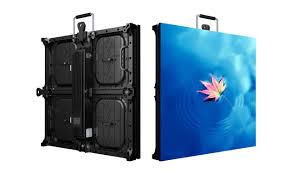
In summary, LED display manufacturing combines multidisciplinary expertise spanning semiconductor physics, circuit design, heat management, and software control systems. Following industry standards and integrating emerging technologies enable manufacturers to deliver displays with superior brightness, color fidelity, durability, and energy efficiency. These attributes are essential for meeting the growing demands of various sectors such as sports arenas, transportation hubs, and digital advertising, where high-quality visual communication is imperative.