

Enhancing Urban Transportation Visibility with Advanced Cab Top LED Displays
In the evolving landscape of urban transportation, cab top LED displays have become essential tools for enhancing communication between taxi operators and passengers as well as pedestrians. These high-visibility electronic signage systems are mounted on the rooftops of taxis and use cutting-edge LED technology to deliver dynamic, clear messages that contribute significantly to passenger safety, advertising, and real-time information dissemination.
Technological Overview
Cab top LED displays leverage high-brightness, energy-efficient LED modules designed to perform reliably under diverse environmental conditions. Typical parameters include pixel pitch ranging from 4mm to 10mm, optimal for viewing distances starting at 10 meters and beyond. Waterproof ratings of IP65 or higher ensure operational stability even during heavy rain or dust exposure. Additionally, low power consumption and lightweight design minimize impacts on vehicle aerodynamics and fuel efficiency.
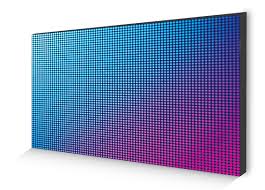
The adoption of SMD (Surface Mounted Device) LEDs has revolutionized display quality. These LEDs provide uniform brightness distribution, superior color rendering, and wide viewing angles—typically around 140° horizontal and vertical. Such technical features are critical for outdoor cab top displays that must remain legible in direct sunlight and across various viewing perspectives.

Integration and Functionalities
Modern cab top LED displays are integrated with smart control systems that allow real-time content updating via wireless networks like 4G/5G or GPS synchronization. This flexibility supports versatile use cases such as:
- Displaying taxi availability status (e.g., “For Hire” or “Occupied”)
- Sharing route information or estimated arrival times
- Broadcasting emergency alerts or public service messages
- Serving as digital advertising platforms with targeted ads based on location
This multifunctionality enhances urban transit communication frameworks, reducing passenger wait times and improving overall city safety and efficiency.
Durability and Compliance
Industry-standard certifications such as RoHS (Restriction of Hazardous Substances) and CE mark confirm the environmental safety and regulatory compliance of cab top LED displays. Rigorous testing for shock resistance and temperature tolerance (from -20°C to 60°C) ensures operational resilience in demanding urban environments.
Manufacturers often employ robust materials like ABS plastic and aluminum alloys for the display housing, equipped with anti-glare coatings to maintain image clarity while minimizing reflective interference. Additionally, modular design facilitates ease of maintenance and scalability, enabling operators to replace defective modules without dismantling the entire system.
Industry Applications and Case Studies
Several metropolitan areas worldwide have adopted cab top LED systems to modernize their taxi fleets. For example, New York City’s taxi service introduced multi-language, high-resolution LED displays that improved passenger communication and enabled adaptive advertising revenue models. According to a study published by the Transportation Research Board, vehicles equipped with dynamic visual displays experienced a 15% increase in passenger engagement and a 10% reduction in unauthorized taxi hailing incidents.
Similarly, in Shanghai, cab top LED displays integrated with GPS-based dispatch systems have enhanced fleet management efficiency, reducing passenger wait times by an average of 8 minutes during peak hours.
Conclusion and Future Trends
As cities aim toward smarter transportation ecosystems, cab top LED displays will continue to play a pivotal role in delivering real-time, adaptive visual communication. Advances in micro-LED technology and AI-driven content management systems promise even greater energy efficiency, display resolution, and contextual relevance.
Operators choosing cab top LED displays should prioritize parameters such as pixel pitch, brightness (ideally exceeding 6000 nits for outdoor clarity), IP rating standards, and wireless connectivity capabilities to ensure optimal performance. By integrating such intelligent digital signage solutions, urban taxi services can augment safety, enhance passenger experience, and unlock new revenue streams through dynamic advertising.
References:
- IESNA Lighting Handbook, 10th Edition, Illuminating Engineering Society
- Transportation Research Board, Report on Digital Signage in Public Transit, 2022
- CE and RoHS Compliance Documentation, European Committee for Standardization
- International Electrotechnical Commission (IEC) Standards for LED Displays IEC 62471
- Case studies from NYC Taxi & Limousine Commission and Shanghai Municipal Transport Authority













