

Advanced Manufacturing Processes and Technical Standards in LED Display Production
The LED display industry has undergone significant technological advancements, driven by increasing demand for high-resolution, energy-efficient, and durable digital screens. As a professional LED display engineer with extensive experience in manufacturing and quality control, this article explores the technical parameters, industry standards, and manufacturing best practices essential to producing reliable LED LCD screens, elucidating their critical role in modern display technology.
1. Fundamentals of LED Display Manufacturing
Manufacturing LED displays involves multiple stages, including substrate preparation, semiconductor epitaxy, chip fabrication, package assembly, and module integration. Each phase requires stringent quality control to guarantee performance attributes such as brightness, color accuracy, and longevity.
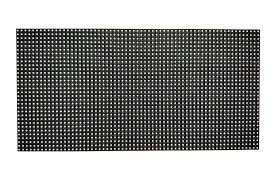
The fundamental components in LED LCD screens are Light Emitting Diodes (LEDs), which function as backlight sources, combined with Liquid Crystal Display (LCD) panels that modulate light to present images. Precision in aligning LED arrays and uniform backlighting directly influences display consistency and color fidelity.
2. Technical Parameters and Performance Metrics
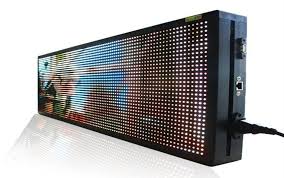
To understand LED display quality, several key parameters must be considered:
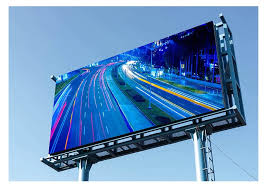
- Pixel Pitch: Defined as the distance between two adjacent pixels, pixel pitch directly affects resolution and viewing distance. Modern indoor LED displays typically feature pixel pitches ranging from 0.9mm to 3mm, enabling high-definition visuals suitable for close-range viewing.
- Brightness: Measured in candelas per square meter (cd/m²), brightness levels of LED displays vary from 800 cd/m² for indoor applications to over 5,000 cd/m² for outdoor use. High brightness ensures visibility under varied ambient lighting conditions.
- Color Gamut and Accuracy: Adherence to standards such as NTSC 72% or Rec. 709 color spaces is essential for vibrant, true-to-life color reproduction. Color calibration processes, guided by CIE 1931 chromaticity coordinates, maintain consistent color output across batches.
- Refresh Rate: High refresh rates, typically 1920Hz or higher, prevent flickering—critical for video quality and eye comfort, especially in broadcast and advertising applications.
- Viewing Angle: LED modules are fabricated to maximize horizontal and vertical viewing angles (commonly up to 160°–170°), enabling wide audience visibility without color distortion.
3. Manufacturing Standards and Industry Regulations
The LED display industry adheres to various international standards to ensure product safety, interoperability, and environmental compliance:
- ISO 9001 Quality Management System: Many manufacturers follow ISO 9001 standards to systematize production workflows, emphasizing defect reduction and continuous improvement.
- IEC 62087: This international standard specifies methods for measuring power consumption in audio, video, and related equipment, vital for energy-efficient LED displays.
- RoHS and REACH Compliance: Regulatory frameworks restrict hazardous substances in electronic components. Compliance ensures LED displays are environmentally safe and acceptable in global markets.
- UL and CE Certifications: These ensure electrical safety and electromagnetic compatibility respectively, reducing risks associated with electrical hazards and interference.
4. Innovative Manufacturing Techniques
Recent advancements have revolutionized LED module assembly:
- Surface Mount Technology (SMT): Automated SMT ensures precise placement of LED chips on Printed Circuit Boards (PCBs), enhancing production speed and quality.
- Inkjet Printing of Quantum Dots: Incorporation of quantum dots improves color gamut significantly while reducing power consumption. The controlled deposition of quantum dot layers refines wavelength emission properties.
- Advanced Soldering and Wire Bonding: Techniques such as laser soldering minimize thermal damage to LED chips, thereby increasing longevity.
- Automatic Optical Inspection (AOI): Real-time defect detection during production improves yield rates by identifying dead pixels, soldering defects, and color inconsistencies instantly.
5. Case Study: Manufacturing a High-Resolution Indoor LED Display
A leading manufacturer recently implemented a comprehensive quality management process for a 1.5mm pixel pitch indoor LED display with the following specifications:
- Brightness: 1,000 cd/m²
- Refresh Rate: 3840Hz
- Color Gamut: 85% NTSC
- Viewing Angle: 170° / 160°
Manufacturing steps included SMT-based LED mounting, real-time AOI, and precision binning of LEDs based on luminous intensity and chromaticity. Post-assembly calibration employed spectroradiometers to ensure uniform brightness and color balance. Compliance with RoHS and IEC standards was verified through component traceability and power consumption tests, respectively.
This rigorous process resulted in displays with superior image clarity suitable for corporate presentations and broadcast studios.
6. Challenges and Future Trends
A persistent challenge is mitigating heat generation, which affects LED lifespan and color stability. Innovative thermal management solutions, including metal-core PCBs and heat dissipation fabrics, are increasingly employed.
Emerging trends include MicroLED technology, which offers unparalleled pixel density and dynamic range without requiring traditional LCD backlights. However, scalability and cost remain challenges.
Integration of Artificial Intelligence for predictive maintenance and quality control is another frontier, enabling early detection of component degradation during manufacturing.
Conclusion
The production of high-quality LED LCD screens is a sophisticated process governed by precision engineering, strict adherence to international standards, and continuous innovation. Industry professionals must maintain rigorous control over manufacturing parameters and stay abreast of technological advances to meet the evolving demands of high-definition display markets worldwide. This ensures LED displays deliver optimal performance, durability, and energy efficiency—a testament to engineering excellence in the dynamic field of digital displays.
References
- International Electrotechnical Commission, IEC 62087: Methods of measurement for the power consumption of audio, video, and related equipment, IEC, 2011.
- ISO 9001:2015 Quality management systems — Requirements, International Organization for Standardization, 2015.
- Rohde & Schwarz, "LED Display Color Calibration Techniques," Technical Application Note, 2020.
- Verband Deutscher Elektrotechniker (VDE), RoHS and REACH Compliance Guidelines, 2021.
- S. Nakamura, S. Pearton, G. Fasol, “The Blue Laser Diode: The Complete Story,” Springer-Verlag, 2000.













