

Advanced LED Display Technologies: Engineering Principles, Manufacturing Processes, and Industry Best Practices
In the rapidly evolving field of visual display technology, LED panels have established themselves as the cornerstone for numerous applications ranging from consumer electronics and digital signage to large-scale outdoor advertising and control rooms. As a professional LED display engineer with extensive experience spanning design, manufacturing, and quality assurance, this article delves deeply into the critical aspects governing LED display technology—covering technical specifications, manufacturing processes, industry standards, and emerging trends to provide a comprehensive understanding for engineers, manufacturers, and decision-makers globally.
1. Overview of LED Display Technology
Light Emitting Diode (LED) displays utilize semiconductor diodes that emit light when an electric current passes through. The fundamental advantage of LED technology over traditional LCD or projection systems includes superior brightness, enhanced color accuracy, wider viewing angles, and greater energy efficiency.
Modern LED displays can be categorized broadly into two types:
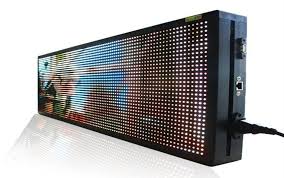
- Direct View LED (DV-LED): These are self-emissive displays where each pixel is a single or cluster of LEDs. DV-LED panels are widely used in outdoor billboards, stadium screens, retail displays, and indoor video walls.
- LCD with LED Backlight: These are LCD panels illuminated by LED backlighting, commonly found in televisions, monitors, and smartphones.
Our focus centers primarily on DV-LED technologies due to their complexity in manufacturing and vast scope in large-area displays.
2. Pixel Architecture and Module Design
Each pixel in a full-color LED display typically consists of Red, Green, and Blue LEDs (RGB triads). To optimize visual quality, manufacturers frequently use surface-mounted device (SMD) LEDs or, in high-end applications, chip-on-board (COB) technology that integrates multiple diodes within a smaller footprint for enhanced pixel density and color uniformity.
Key parameters influencing module performance include:
- Pixel Pitch: The center-to-center distance between adjacent pixels, measured in millimeters (mm). Pixel pitch directly impacts resolution and viewing distance. For indoor use, pitches as low as 0.7 mm (microLED) deliver ultra-high definition, while outdoor displays commonly range from 3 mm to 16 mm.
- Brightness: Measured in nits (cd/m²), typical indoor displays range from 800 to 1500 nits, while outdoor displays require brightness levels exceeding 5000 nits to remain visible under sunlight.
- Refresh Rate: Modern high-end LED displays feature refresh rates above 3840 Hz to eliminate flicker in video capture and provide seamless visuals.
- Viewing Angle: Most commercial LED modules offer horizontal and vertical viewing angles of 140° or greater, enabling large audience visibility without color shifts.
An example of module layering involves an aluminum frame chassis, LED PCB with driver ICs, and a transparent protective cover with anti-glare treatment to enhance viewing comfort and mechanical durability.
3. Key Components and Material Selection
- LED Chips: The semiconductor quality, epitaxial layer uniformity, and package structure substantially determine light efficiency and lifespan, typically exceeding 100,000 hours of operation in premium products.
- Driver ICs: Advanced constant current driver ICs such as the MBI5124 or Texas Instruments' TLC5951 ensure precise grayscale control and uniformity across the module.
- Power Supply Units (PSUs): Constant voltage/constant current PSUs with overvoltage, overcurrent, and thermal protections are critical for system stability in fluctuating environmental conditions.
- Optical Components: Lenses and encapsulants are used to control light distribution, enhance brightness, and protect LED chips against moisture and dust.
4. Manufacturing Process and Quality Control
Manufacturing LED displays is a highly sophisticated process requiring cleanroom environments and precise automation:
- LED Bin Sorting: LEDs are sorted by color wavelength, brightness, and forward voltage to ensure uniform pixel output. This step is essential to avoid color inconsistency across large displays.
- PCB Fabrication and SMT Assembly: The LED PCB is fabricated with multilayer construction for signal integrity and heat dissipation. Surface Mount Technology (SMT) machines place LEDs and driver chips at precise positions with micron-level accuracy.
- Module Testing and Calibration: After assembly, each module undergoes rigorous testing including dark current measurement, luminance uniformity, and color calibration utilizing spectroradiometers. Calibration employs proprietary or third-party software to achieve ΔE (color difference) below 3, an industry-accepted standard for color consistency.
- Environmental Stress Testing: Modules are tested for thermal cycling, humidity resistance (IP rating), vibration, and impact to guarantee reliability in the intended usage environment.
- Final Panel Assembly: Modules are aligned and locked into cabinets equipped with cooling systems, mechanical frames, and data interfaces supporting protocols like HDMI, DVI, or custom synchronous parallel buses.
5. Industry Standards and Compliance
Adherence to international standards ensures that LED displays meet safety, performance, and environmental guidelines:
- IEC 62031: Specifies safety requirements for LED modules.
- UL 8750: Standard for LED equipment safety in North America.
- EN 55015 and CISPR 15: Regulations controlling electromagnetic interference.
- RoHS and REACH: Restriction of hazardous substances and chemicals in LED products ensuring environmental compliance.
Additionally, many companies align their quality management systems with ISO 9001:2015 to standardize production and enhance customer satisfaction.
6. Thermal Management
LEDs generate heat during operation, which affects brightness and lifespan. Proper thermal design includes:
- Thermally conductive PCB materials such as aluminum substrates.
- Heat sinks and ventilation integrated into module chassis.
- Active cooling in high-brightness or high-density displays using fans or liquid cooling.
Monitoring temperature with embedded sensors can trigger system shutdown in extreme cases, preserving equipment integrity.
7. Emerging Trends and Innovations
Recent advances are shaping the future of LED display engineering:
- MicroLED Technology: Sub-millimeter pixel pitches enabling ultra-high resolutions with superior contrast ratios and energy efficiency. Though manufacturing challenges remain, companies like Samsung and Sony demonstrate commercial prototypes.
- Flexible and Transparent Displays: Using OLED and microLED technology, these displays open new applications in automotive heads-up displays and architectural integration.
- AI-driven Calibration: Machine learning algorithms now assist in real-time color correction and fault detection improving maintenance and reducing downtime.
- Higher Refresh Rates and HDR Support: Catering to broadcast and professional video environments, these features enhance visual realism and ergonomic performance.
- Sustainability Initiatives: LED manufacturers are increasingly focusing on recyclable materials, reduced power consumption, and adherence to circular economy principles.
8. Practical Applications and Case Studies
- Sports Stadiums: Installing DV-LED displays requires balancing brightness, pixel pitch, durability under weather conditions, and seamless modularity. For example, a 10,000-seat stadium may deploy 6 mm pitch panels with 6000 nits brightness for daylight visibility.
- Broadcast Studios: High refresh rates (above 3840 Hz) and ultra-fine pitches (sub 1.5 mm) eliminate flicker artifacts on camera, delivering pristine visuals.
- Retail and Public Spaces: Customizable shapes and sizes, coupled with interactive touch integration, provide immersive advertising experiences.
Conclusion
In delivering high-quality LED display solutions, a nuanced understanding of semiconductor physics, optical engineering, precise manufacturing, and rigorous quality controls are pivotal. Innovation continues to push boundaries in display resolution, energy efficiency, and integration flexibility, setting new industry benchmarks.
Professionals involved in planning, manufacturing, or maintaining LED systems must remain conversant with evolving standards, material science, and design best practices to ensure reliable, eye-catching visuals that meet diverse application needs.
For further detailed guidelines, references such as the IEC 62031, UL 8750, and published research in journals like the Journal of Display Technology are invaluable resources. Consulting advanced catalogs from LED chip producers such as Nichia, Cree, and Samsung can also provide current datasheets essential for design optimization.













