

Advanced LED LCD Screen Manufacturing: Technologies, Applications, and Industry Trends
In the rapidly evolving display technology industry, LED LCD screen manufacturing has become a cornerstone for delivering high-quality visual experiences across diverse sectors. Combining Light Emitting Diode (LED) backlighting with Liquid Crystal Display (LCD) technology, LED LCD screens offer enhanced brightness, energy efficiency, and superior image quality compared to traditional displays. This article delves into the technical aspects, practical applications, manufacturing advantages, common challenges, and emerging trends shaping the LED LCD screen industry in 2024.
Technical Overview and Manufacturing Parameters
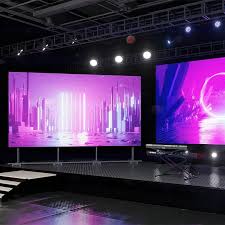
LED LCD screens consist of an LCD panel complemented by an LED backlight system. Unlike Cold Cathode Fluorescent Lamps (CCFLs) traditionally used in LCDs, LEDs provide precise, localized illumination and enable features such as local dimming. This significantly improves contrast ratios, color vibrancy, and viewing angles. Key parameters influencing manufacturing include:
- Resolution and Pixel Density: Modern LED LCDs typically range from Full HD (1920x1080) to ultra-high resolution 8K (7680x4320), with pixel densities reaching up to 800 PPI on smaller displays. Higher pixel density is crucial for applications such as medical imaging and augmented reality.
- Backlight Unit (BLU) Design: The choice between edge-lit and direct-lit LED configuration affects thickness, brightness uniformity, and power consumption. Direct-lit BLUs with local dimming zones (often exceeding 100 zones in premium models) provide superior contrast but are cost-intensive.
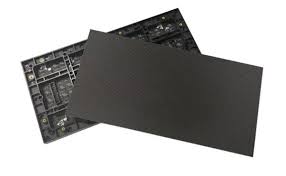
- Color Gamut and Accuracy: Utilizing quantum dot enhancement films (QDEFs) has become standardized to extend color gamut up to 99% of DCI-P3 and even Rec. 2020 in high-end panels, essential for professional video production.
- Refresh Rate and Response Time: For gaming and dynamic content, refresh rates of 120Hz or higher, paired with response times under 5 ms, are common quality benchmarks.
- Manufacturing Yield and Quality Control: High-precision lithography, photolithography, and cleanroom maintenance at ISO 14644-1 Class 5 or better environments ensure minimal defects in TFT arrays, impacting yield rates that average 85-95% in advanced fabs.
Practical Applications of LED LCD Screens
The widespread adoption of LED LCD screens can be attributed to their versatility across many fields:
- Consumer Electronics: Smartphones, tablets, and TVs prioritize thin form factors, low power use, and high dynamic range (HDR) compliance. For instance, HDR10+ support has become standard to enhance consumer viewing experiences.
- Medical Imaging: High brightness, color accuracy, and ultra-high resolution enable precise diagnostics. Certified displays compliant with DICOM Part 14 guarantee reliable grayscale rendering crucial for radiology.
- Industrial and Automotive Displays: Ruggedized LED LCDs with enhanced brightness levels, often exceeding 1000 nits, are designed for harsh environments and varying lighting conditions. These displays incorporate robust thermal management solutions to ensure longevity.
- Digital Signage and Public Information Systems: Large-scale direct-lit LED LCD video walls leverage modular designs for seamless visuals and allow dynamic advertising content with high visibility in outdoor settings.
Advantages of LED LCD Technology
LED LCD systems offer several benefits over alternative display technologies such as OLED or traditional LCDs:
- Energy Efficiency: LEDs consume up to 30-50% less power than CCFL backlights, reducing operational costs and heat generation.
- Longer Lifespan: LED backlights generally last over 50,000 hours without significant luminance degradation compared to about 10,000-20,000 hours for OLEDs.
- Improved Brightness and Contrast: Local dimming enhances contrast ratios up to 100,000:1, outperforming standard LCDs and approaching OLED rival performance.
- Cost-Effectiveness: As manufacturing processes mature, LED LCD production costs have decreased by approximately 15% over the past three years, making them appealing for mid-to-high-end display markets.
Common Challenges in Manufacturing and Usage
Despite advancements, several issues persist in LED LCD screen production and operation:
- Backlight Bleeding: Uneven LED backlight distribution can cause visible leaks around screen edges, particularly in ultra-thin panels. Meticulous optical film layering and factory calibration help mitigate this effect.
- Color Banding and Uniformity: Limited bit-depth driving in LED backlights can cause banding in gradients. Manufacturers combat this with 10-bit processing and dithering systems.
- Thermal Management: High brightness LEDs generate heat that can degrade panel life if not properly dissipated. Innovative heat spreaders and active cooling units are integrated in premium designs.
- Viewing Angle Limitations: Although IPS and VA panel technologies enhance viewing angles, some limitations in contrast and color shift remain under extreme lateral views.
Emerging Trends in 2024
The LED LCD industry continues to innovate, addressing its shortcomings while exploring new frontiers:
- Mini-LED and Micro-LED Integration: Mini-LED backlight arrays featuring thousands of tiny LEDs per panel provide even finer local dimming control and brightness improvements, setting new quality levels for HDR content.
- Flexible and Transparent Displays: Research into bendable LED LCDs is nearing commercial viability, enabling curved and foldable screens beyond the smartphone market. Transparent LED LCD prototypes are also gaining traction for retail and automotive HUDs.
- AI-Powered Manufacturing: Machine learning algorithms optimize production yield by predicting defect patterns and automating calibrations, improving both quality and throughput.
- Sustainability Initiatives: Industry standards now emphasize eco-friendly materials and reduced hazardous substances per IEC 62321 compliance, driven by consumer awareness and legislative mandates such as the EU’s Ecodesign directives.
Conclusion
LED LCD screen manufacturing represents a mature yet dynamic industry segment that balances high visual performance, energy efficiency, and cost-effectiveness. With a strong foundation in precise engineering and increasingly sophisticated backlight technologies, LED LCD displays continue to expand their role in consumer electronics, professional imaging, and public systems. The integration of mini-LED, AI advancements, and sustainability will likely redefine the benchmarks and applications of these displays in the years ahead, ensuring their relevance and competitiveness in a market often dominated by OLED and emerging display types.
For manufacturers and engineers focused on advancing LED LCD technologies, adhering to industry standards such as ISO, IEC, and established calibration protocols is essential. Continuous R&D investments, strategic supply chain management, and end-user satisfaction will be pivotal in maintaining leadership within this fast-paced and highly competitive domain.













