

Staging Digital Display Technology: Enhancing Visual Experiences in Events and Venues
In today’s dynamic event industry, staging digital display technology has become a fundamental tool for creating immersive and visually captivating experiences. From concerts and corporate conferences to exhibitions and theatrical performances, digital displays offer unparalleled flexibility and impact. This article explores the technical aspects, industry standards, and practical applications of staging digital displays, drawing on professional industry knowledge to provide valuable insights for integrators, event planners, and technology enthusiasts.
Understanding Staging Digital Displays
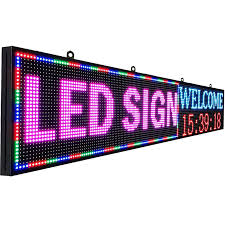
Staging digital displays typically refer to large-format LED or LCD screens used on event stages to present video, graphics, and real-time content. These displays vary widely in size, resolution, brightness, and pixel pitch — critical parameters that determine visual clarity and audience engagement.
LED (Light Emitting Diode) displays dominate staging applications due to their superior brightness, color fidelity, and adaptability to different ambient lighting conditions. They are frequently modular, comprising numerous small panels (modules) seamlessly joined to create a large, high-resolution screen.
Key Technical Parameters
- Pixel Pitch: This indicates the distance between the centers of two adjacent pixels, usually measured in millimeters (mm). For stage displays viewed from several meters away, pixel pitch values typically range from 2.5mm to 10mm, balancing resolution and cost-effectiveness. A smaller pixel pitch delivers higher resolution and finer image detail but tends to be more expensive.
- Brightness: Measured in nits (cd/m²), brightness levels are crucial for visibility, especially in outdoor or brightly lit venues. For indoor staging, brightness levels between 1000 to 1500 nits are generally sufficient; outdoor displays may require 5000 nits or more to combat sunlight glare.
- Refresh Rate: The refresh rate (measured in Hertz, Hz) impacts motion clarity and reduces flicker in video content. Higher refresh rates such as 3840 Hz or greater are ideal to prevent flickering on camera feeds and maintain smooth video playback during live broadcasts.
- Viewing Angle: Wide viewing angles, often 140° or more horizontally and vertically, ensure consistent image quality even for audiences sitting at the sides of the stage.
Industry Standards and Quality Assurance
Adhering to industry standards like the IEC 62471 for photobiological safety and guidelines provided by the Society of Motion Picture and Television Engineers (SMPTE) ensures the displays are safe and compatible with broadcast requirements.
Quality certification such as ISO 9001 and robust testing for RGB color accuracy, thermal performance, and durability under continuous operation are critical for staging digital displays. These parameters guarantee stable operation during prolonged events — a must-have for professional venues.
Applications and Case Studies
- Concerts: Using high-resolution LED video walls, several global touring artists have enhanced their stage backdrops, synchronizing visuals with live performances to elevate audience engagement.
- Corporate Events: Interactive LED displays combined with content management software allow real-time data visualization and brand messaging, improving attendee interaction during product launches or seminars.
- Theatre and Live Productions: Flexible LED screens enable dynamic scene changes with vivid backgrounds that adapt instantly, replacing bulky and static set designs.
Installation and Maintenance Insights
Proper installation is paramount for the longevity and flawless functionality of staging digital displays. Modular design allows quick assembly and disassembly, essential for touring events. Additionally, incorporation of redundant power supplies and cooling systems mitigates risks of failure.
Preventive maintenance planning—such as regular inspection for dead pixels, calibration of color balance, and firmware updates—ensures consistent performance across events.
Future Trends
Looking ahead, advancements in MicroLED technology promise even higher resolution and energy efficiency, potentially revolutionizing staging displays. Integration with augmented reality (AR) and real-time interactive capabilities will further personalize audience experiences.
Conclusion
Staging digital display technology blends art and engineering, offering event professionals powerful tools to design compelling visual narratives. Through careful selection of pixel pitch, brightness, and other technical parameters aligned with industry standards, digital displays contribute significantly to the success of modern events — transforming stages into captivating immersive environments.













