

Onboard Passenger Information Display Enclosure Design and Engineering for Modern Transit Systems
In the evolving landscape of public transportation, onboard passenger information display enclosures are pivotal components that enhance consumer experience, safety, and operational efficiency. These enclosures protect critical LED and LCD display units from environmental stress, vibration, and other physical impacts while maintaining optimal visibility and functionality. As a professional LED display engineer, I will detail the technical parameters, design considerations, material selection, and industry standards guiding the development of state-of-the-art onboard passenger information display enclosures.
Material and Structural Considerations
A key challenge in enclosure design for transit vehicles—whether buses, trains, or trams—is balancing robustness with weight constraints. Lightweight yet durable materials such as aluminum alloys (e.g., 6061-T6) and polycarbonate composites are preferred. Aluminum offers excellent corrosion resistance and structural integrity with a typical tensile strength around 290 MPa, making it ideal for the frame and mounting brackets. Polycarbonate, with high impact resistance (up to 150J impact strength), is often used for front window covers to protect LCD panels, ensuring the display remains clear and readable even under rough transit conditions.
Environmental Protection and IP Ratings
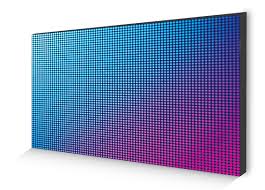
Onboard enclosures must withstand dust, moisture, temperature extremes, and mechanical shocks. Typically, they are designed to meet or exceed IP65 or IP66 standards per IEC 60529 to ensure protection against dust ingress and powerful water jets. Additional sealing with silicone gaskets ensures IP67 can be achieved for displays exposed to washdowns or high humidity environments. Heat dissipation is another critical factor; enclosures integrate passive or active cooling, such as thermal management fins or fans, to maintain an operating temperature range usually from -20°C to +60°C, protecting sensitive LED or LCD components.
Vibration and Shock Resistance
Vibration-resilient designs incorporate shock-absorbing mounts and internal cushioning. Transit environments subject equipment to variable acceleration forces—typically up to 3 g RMS (root mean square) vibration per EN 61373 standards for railway applications. Engineers utilize elastomeric grommets or silicone pads to decouple the enclosure from chassis vibrations, ensuring display longevity and stable image output.
Visibility and Optics Optimization
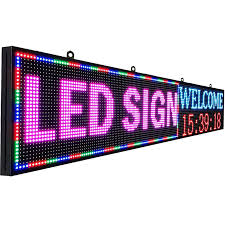
Passenger displays must remain legible in diverse lighting conditions, including direct sunlight and nighttime. High brightness LED displays often feature luminance levels exceeding 1500 nits to combat ambient daylight, while LCD units may include anti-reflective and anti-glare coatings on the enclosure’s front window. The optical design also considers viewing angles—wide viewing angles (up to ±80° horizontal and vertical) are essential for passenger convenience. In dynamic transit situations, tempered glass or laminated safety glass with hardness ratings above 7H is standard for scratch resistance.
Mounting and Modularity
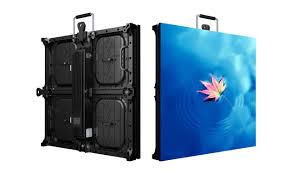
Ease of installation and maintenance is an operational priority. Modular enclosure systems with quick-release latches and standardized connectors reduce vehicle downtime. Enclosures are typically designed to integrate with Vehicle Control Units (VCU) and comply with communication standards such as CAN bus or Ethernet for real-time data updates. Additionally, the ability to retrofit or upgrade displays without extensive vehicle modifications is a notable benefit frequently embedded into enclosure designs.
Compliance and Safety Standards
Standards like EN 50155 govern electronic equipment onboard trains, focusing on electrical safety, electromagnetic compatibility (EMC), and mechanical stability. For bus and metro applications, compliance with IEC 62236 series ensures EMC immunity to avoid interference with other vehicle systems. Fire-retardant materials complying with UL 94 V-0 ratings are employed to reduce fire hazards.
Case Study Insight: European Rail Passenger Displays
European operators have adopted enclosures with IP66 rating, aluminum frames, polycarbonate fronts, and active cooling systems. These enclosures facilitated clearer real-time route updates and enhanced passenger safety via crash-tested designs approved by TÜV Rheinland. Field tests showed a 30% reduction in maintenance interventions owing to robust environmental protection and vibration resistance.
In conclusion, the onboard passenger information display enclosure is a high-performance, integrated solution critical to modern transit systems worldwide. Its design requires expert balancing of material science, environmental protection, optical clarity, vibration dampening, and regulatory compliance. Advances in these technical domains not only prolong display system lifespan but also significantly enhance the overall passenger experience in dynamic, harsh transit environments.













