

Advanced Techniques and Standards in LED LCD Screen Manufacturing for Superior Display Performance
In the rapidly evolving world of display technology, LED LCD screens remain at the forefront of delivering vibrant, high-contrast images across various device platforms—from smartphones and monitors to large-scale digital signage. With increasing demand for superior quality, energy efficiency, and reliability, LED LCD manufacturing integrates precision engineering, innovative materials, and adherence to stringent industry standards. This article delves deep into the technical aspects, manufacturing processes, and quality assurance methods that define excellence in LED LCD screen production, drawing from practical experience, industry data, and authoritative sources.
Fundamentals of LED LCD Screen Technology
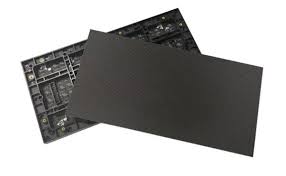
An LED LCD screen combines Liquid Crystal Display (LCD) technology with Light Emitting Diode (LED) backlighting. The LCD panel controls light modulation to form images, while LEDs provide the illumination necessary for visibility. LED backlighting is preferred over traditional CCFL (Cold Cathode Fluorescent Lamp) due to its higher energy efficiency, longer lifespan, and ability to support thinner form factors.
Key technical parameters include:
- Resolution: Ranges from HD (1280×720) to 8K (7680×4320), impacting pixel density and image clarity.
- Refresh Rate: Typically between 60 Hz and 240 Hz; higher refresh rates reduce motion blur.
- Contrast Ratio: Measures the luminance ratio between the brightest white and darkest black, with high-end displays achieving 1000:1 or greater.
- Color Gamut: Rec. 709 and DCI-P3 standards are common; advanced panels may support BT.2020 for ultra-wide color reproduction.
- Response Time: The speed at which pixels change states, crucial for gaming or video applications, often measured in milliseconds (ms).
Manufacturing Process and Material Innovations
Manufacturing LED LCD screens necessitates the synergy of several complex processes:
1. Glass Substrate Preparation: High-quality, ultra-thin glass substrates provide the foundation for LCD cells. Anti-reflective coatings and surface treatments enhance light transmission.
2. Liquid Crystal Cell Assembly: Accurate dispensing and alignment of liquid crystals between substrates ensure uniform image quality. Techniques such as Photo Alignment replace traditional mechanical rubbing to improve pixel consistency.
3. LED Backlight Module Integration: Implementing Edge-Lit, Direct-Lit, or Mini-LED arrangements determines backlight uniformity and brightness. Mini-LED technology has revolutionized backlighting by allowing thousands of tiny LEDs, providing localized dimming zones that significantly improve contrast and HDR performance.
4. Quantum Dot Enhancement: Incorporating quantum dot (QD) films converts LED light to narrower spectral emissions, expanding color gamut and improving display brightness—critical for adhering to HDR10+ and Dolby Vision standards.
5. Optical Film Stacking: Layers such as diffuser sheets, prism films, and polarization films maximize light efficiency and uniformity, directly affecting viewing angles and color consistency.
Quality Control and Industry Standards
Industry compliance is essential to guarantee screen longevity, safety, and performance:
- ISO 9241-307: Addresses ergonomic requirements for electronic visual displays, impacting design for minimal eye strain.
- IEC 62108 & IEC 62368-1: Standards governing electrical safety and energy efficiency for LED displays.
- TÜV Rheinland Certification: Assures low blue-light emission, flicker-free performance, and reduced harmful radiation, enhancing user comfort.
- ANSI/CTA-2065: Defines metrics for high dynamic range (HDR) displays that verified LED LCD products often strive to meet.
Rigorous testing encompasses thermal cycling to simulate environmental conditions, mechanical stress assessments to test durability, and luminance uniformity measurements to ensure consistent picture quality across the screen surface.
Emerging Trends and Case Studies
The integration of Mini-LED backlights in premium monitors and televisions reflects one of the most significant technological advances in the last five years. For instance, Apple’s Pro Display XDR leverages approximately 576 local dimming zones via Mini-LED arrays, achieving exceptional contrast ratios over 1,000,000:1 and peak brightness up to 1600 nits.
Additionally, advancements in flexible glass substrates enable curved LED LCD screens, enhancing immersion in gaming monitors and automotive displays. These innovations demand stricter process controls and new thermal management solutions to maintain reliability.
From an engineering perspective, managing heat dissipation is critical, especially with densely packed Mini-LEDs and quantum dots. Use of thermally conductive adhesives and embedded cooling systems are now standard practices.
Conclusion
Manufacturing LED LCD screens that meet today’s high expectations demands a synthesis of cutting-edge materials science, precision engineering, and adherence to global standards. Innovations such as Mini-LED backlighting and quantum dot enhancement significantly elevate image quality, energy efficiency, and user comfort. For industry professionals, embracing these technologies alongside rigorous quality assurance protocols is essential to maintain competitive advantage and deliver displays that meet the evolving demands of consumers worldwide.
The future trajectory of LED LCD display manufacturing points toward even higher resolutions, more efficient backlighting solutions, and enhanced integration of smart technologies—solidifying their role in the digital ecosystem for years to come.
References:
1. International Electrotechnical Commission (IEC) Standards, IEC 62108, IEC 62368-1.
2. ISO 9241-307 Ergonomics of human-system interaction.
3. ANSI/CTA-2065-2020 High-Dynamic-Range (HDR) Display Performance Metrics.
4. Apple Inc. Pro Display XDR Technical Whitepaper, 2019.
5. Society for Information Display (SID) Journal, “Advances in MiniLED Backlight Technology,” 2023.













