

Advanced Insights into Fine Pitch LED Video Walls for High-Resolution Displays
Fine pitch LED video walls have revolutionized the digital display industry by offering unparalleled visual clarity and seamless image quality, particularly in environments demanding high resolution and close viewing distances. These displays feature LED pixel pitches typically ranging from 0.9mm to 2.5mm, allowing for exceptional detail and vibrant color reproduction that surpass traditional LED solutions.
Understanding Fine Pitch LED Technology
The term “fine pitch” refers to the distance between the centers of two adjacent LED pixels. A smaller pitch translates to higher pixel density, which directly affects the resolution and overall visual sharpness of the display. For instance, an LED wall with a 1.2mm pitch has a pixel density exceeding 700,000 pixels per square meter, ensuring crisp images even when viewed from less than a meter away—a crucial factor for indoor applications such as control rooms, studios, and premium retail displays.
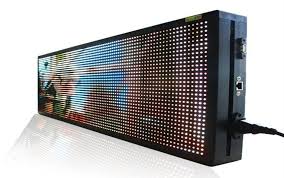
Fine pitch LED panels are constructed using SMD (Surface Mounted Device) LEDs, which combine red, green, and blue diodes into a single package, resulting in more precise color blending and wider viewing angles exceeding 160 degrees both horizontally and vertically. These specifications align with industry standards such as the IEC 62471 for photobiological safety, confirming that fine pitch LED video walls are safe for prolonged human exposure.
Technical Parameters and Performance Metrics
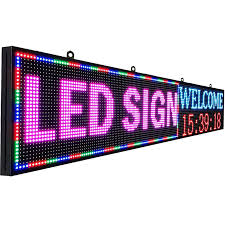
When selecting a fine pitch LED video wall, several technical parameters require close consideration:
- Pixel Pitch (P): Ranges from 0.9mm to 2.5mm for fine pitch models. Smaller pitch sizes yield higher resolutions.
- Brightness: Typical brightness levels range from 800 to 1500 nits for indoor models, ensuring clear visibility under various ambient lighting conditions.
- Refresh Rate: To prevent flicker and ensure smooth motion, refresh rates usually exceed 3840 Hz, complying with broadcasting standards like Rec. 709 and Rec. 2020.
- Color Accuracy: Fine pitch LED walls deliver high color gamut coverage, often up to 95% of the DCI-P3 spectrum, essential for applications requiring precise color reproduction.
- Pixel Density: Can exceed 700,000 pixels per square meter, directly influencing image resolution and detail.
Applications and Use Cases
Fine pitch LED video walls are predominantly used in scenarios where image detail and visual fidelity are paramount. Wall-sized video installations in control rooms facilitate real-time data visualization with minimal latency. Broadcast studios utilize these panels to provide dynamic and immersive backgrounds, enhancing viewer engagement without the chroma key limitations.
Furthermore, high-end retail stores and corporate lobbies implement fine pitch LEDs to deliver impactful branding experiences. Museums and galleries also benefit from these displays, which render high-definition content that preserves artistic integrity.
Installation and Maintenance Insights
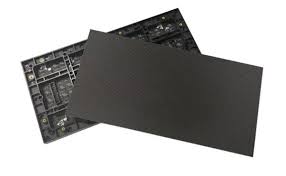
One critical aspect of fine pitch LED video wall deployment is the modular design of panels, which allows for easy assembly and facilitates maintenance via front or rear access depending on installation constraints. Cooling systems integrated into modern fine pitch products ensure optimal thermal management, extending LED lifespan and maintaining performance stability.
Routine maintenance involves calibration to maintain color uniformity and brightness consistency across large installations. Advanced software tools aid technicians in diagnosing pixel failures and performing real-time color adjustments without significant downtime.
Industry Standards and Future Trends
The advancement of fine pitch LED technology has been accelerated by ongoing developments in mini-LED and microLED technologies, pushing pixel pitches even below 0.5mm. According to the Society for Information Display (SID), next-generation fine pitch LED displays will achieve higher dynamic ranges and energy efficiencies, enabling more sustainable and versatile installations.
Moreover, protocols such as HDMI 2.1 and DisplayPort 2.0 facilitate bandwidths capable of supporting ultra-high resolutions and refresh rates necessary for 8K+ fine pitch LED video walls, ensuring compatibility with evolving content delivery standards.
Conclusion
Fine pitch LED video walls have established themselves as indispensable tools in the realm of high-resolution digital displays. Their precise pixel density, brightness, color accuracy, and seamless scalability empower industries demanding image perfection. By adhering to rigorous technical standards and leveraging innovative design, fine pitch LED walls continue to deliver superior visual experiences across diverse applications worldwide.













