

Advanced LED Taxi Displays: Enhancing Urban Transportation Communication with Reliable Technology
In the rapidly evolving landscape of urban transportation, the integration of sophisticated LED taxi displays has become a cornerstone of effective communication between taxi drivers and passengers, as well as a medium for real-time information dissemination. An LED taxi display, typically mounted atop vehicles or embedded within the taxi infrastructure, serves multiple functions including indicating taxi availability, advertising, and providing dynamic passenger information. This article delves into the technical specifications, industry standards, and practical applications of LED taxi displays, highlighting their role in modern metropolitan transit systems.
LED taxi displays are designed to operate reliably under various environmental conditions, ranging from intense sunlight to heavy rain and vibration from vehicle movement. High brightness levels—often between 4,000 and 6,500 nits—are essential to ensure visibility in direct sunlight, adhering to standards such as the IEC 62471 photobiological safety and IP65 ingress protection certification for weather resistance. These displays often employ SMD (Surface-Mounted Device) LED technology which offers superior color accuracy, energy efficiency, and extended lifespan, typically rated over 50,000 hours of operation.
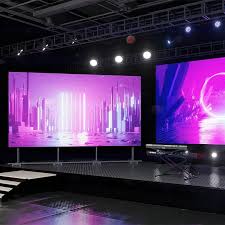
From a technical perspective, pixel pitch, defined as the distance between adjacent LED diode centers, is a crucial parameter. Taxi displays generally utilize pixel pitches ranging from 4mm to 10mm, balancing resolution with viewing distance—the smaller the pixel pitch, the higher the resolution suitable for close viewing angles in urban traffic scenarios. A tight pixel pitch enhances the visual clarity of alphanumeric messages, such as "Taxi," "Occupied," or "Available," and supports multi-language functionality, an important feature in diverse metropolitan areas.
Integration with GPS and network communication modules allows LED taxi displays to update messages dynamically based on location, time of day, or promotional campaigns. This connectivity enables fleet management systems to remotely monitor and control multiple taxi displays, increasing operational efficiency and reducing maintenance costs. For example, LED taxi display networks in cities like London and New York utilize 4G/5G cellular connections and IoT protocols to synchronize public transport updates and emergency alerts seamlessly.
Power efficiency is another vital design consideration. LED taxi displays often incorporate low-voltage DC power supplies with energy-saving drivers that modulate current to LED chips, minimizing power consumption and heat generation. Advanced thermal management using aluminum heat sinks and forced ventilation systems ensures device longevity, meeting automotive durability standards such as ISO 16750.
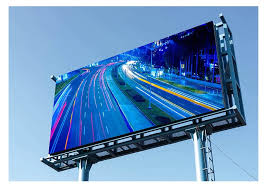
Case studies from leading urban centers demonstrate the practical benefits of deploying advanced LED taxi displays:
- Singapore implemented LED taxi roof signs equipped with auto-dimming sensors adjusting brightness according to ambient light, reducing driver distraction and improving energy efficiency.
- Berlin's taxi fleet utilized customizable LED displays integrated with public transit schedules and advertisement platforms, enhancing passenger experience and generating ancillary revenue streams.
- Tokyo leveraged LED displays with multilingual support and security alerts, improving accessibility and safety in densely populated urban environments.
The worldwide shift towards smart cities further elevates the importance of LED taxi displays as digital interfaces connecting public transportation systems with commuters efficiently and safely. Industry leaders emphasize adherence to ISO 13849 standards on functional safety and the incorporation of fail-safe designs to avoid message display interruptions that could lead to passenger confusion.
In summary, LED taxi displays embody a convergence of high-precision LED technology, robust hardware engineering, and intelligent connectivity protocols. Their deployment has transformed taxis from simple transport vehicles into interactive information hubs, contributing to smarter, safer, and more connected urban mobility ecosystems.
For manufacturers and urban planners, understanding the technical parameters—such as luminance levels, pixel pitch, energy efficiency, and environmental resilience—alongside communication integration and regulatory compliance, is essential for developing future-proof LED taxi display solutions tailored to the evolving needs of global cities.













