

LED Display Technology: Practical Applications, Advantages, Common Challenges, and Industry Trends
LED display technology has become a cornerstone in the fields of visual communication and digital signage, offering unparalleled brightness, energy efficiency, and flexibility. As a professional LED display engineer with extensive experience in the design, manufacturing, and implementation of LED and LCD screens, I will delve into the practical applications, advantages, common challenges, and emerging trends shaping this dynamic industry.
Practical Applications of LED Displays
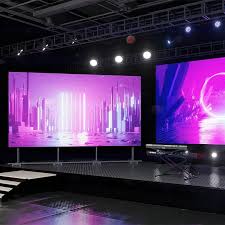
LED (Light Emitting Diode) displays are widely utilized across various sectors due to their high visibility and durability. Key applications include:
1. Outdoor Advertising and Digital Billboards: With brightness levels exceeding 6,000 nits, LED displays are ideal for outdoor environments, ensuring visibility even under direct sunlight. Their large size and modular design allow seamless scalability for urban advertising and event promotions.
2. Sports Arenas and Entertainment Venues: LED screens provide vibrant video playback and real-time data, enhancing the spectator experience. The ultra-fast refresh rates (up to 3840Hz) eliminate flicker, ensuring high-definition broadcast quality suitable for live events.
3. Retail and Point-of-Sale Displays: Indoor LED video walls and transparent LED displays are employed in stores to attract customer attention and deliver dynamic content, contributing to increased sales conversion rates.
4. Transportation Hubs: Airports and train stations use LED signage for real-time scheduling and passenger information due to their reliability and clear visibility.
5. Control Rooms and Corporate Boards: With pixel pitch options down to 0.9mm, narrow-pitch LED displays enable clear, detailed visuals for mission-critical monitoring, enhancing decision-making efficiency.
Advantages of LED Displays
- Energy Efficiency: LED displays consume significantly less power compared to traditional LCD panels. For example, a typical high-resolution LED display operates at around 300-450 watts per square meter versus 700-900 watts for comparable LCDs, translating into lower operational costs.
- Longevity and Durability: LEDs offer a lifespan of 50,000 to 100,000 hours, ensuring years of reliable performance. Their solid-state nature makes them resistant to shock and vibration, essential for outdoor or mobile applications.
- High Brightness and Contrast: Peak brightness levels range from 800 nits for indoor displays to over 10,000 nits for outdoor units, with contrast ratios exceeding 10,000:1, delivering vivid images regardless of ambient lighting conditions.
- Slim and Lightweight Design: Modular LED panels provide flexibility in size and shape while maintaining a slim profile, facilitating easier installation and maintenance.
- Wide Viewing Angles: Most LED panels offer viewing angles up to 160° horizontally and vertically, ensuring consistent color and clarity regardless of viewer position.
Common Problems and Solutions
Despite these advantages, LED displays encounter several challenges. Understanding and mitigating these issues is paramount for maintaining performance and prolonging service life.
- Color Uniformity and Calibration: In multi-panel configurations, disparity in LED binning can cause color inconsistency. Employing advanced calibration technologies, such as 3D Look-Up Table (LUT) color correction and software-based uniformity adjustments, greatly improves visual coherence.
- Thermal Management: High-brightness LEDs generate significant heat. Without adequate heat dissipation, thermal stress can reduce lifespan and cause brightness degradation. Incorporating aluminum heatsinks, active cooling solutions, and implementing temperature sensors ensure stable operation.
- Pixel Failure and Maintenance: Dead or stuck pixels affect image quality. Using high-quality LED modules with rigorous quality control and designing easy-to-replace panel modules reduce downtime. Additionally, employing pulse drive technologies protects LEDs from overcurrent damage.
- Environmental Exposure: Outdoor installations face challenges such as moisture ingress and UV degradation. Adhering to IP65 or higher waterproof and dustproof standards, using UV-resistant materials, and protective coatings prolong outdoor display durability.
- Drive System and Power Supply Fluctuations: Voltage irregularities can cause flickering or damage internal circuits. Using high-quality, stabilized power supplies adhering to IEC 60950-1 standards and integrating surge protection mechanisms enhance reliability.
Latest Trends in LED Display Technology
The LED display industry is rapidly evolving, driven by innovations that expand functionality and address past limitations.
- Mini and Micro LED Displays: With pixel pitches below 1mm, mini and micro LED technologies allow ultra-high-resolution displays ideal for close viewing applications like smartphones, VR devices, and medical monitors. These technologies blend the best of OLED contrast and LED durability.
- Transparent LED Screens: This innovative technology permits see-through digital displays, increasingly used in retail and architectural applications. Transparency up to 60-70% provides unique marketing and design opportunities without sacrificing content visibility.
- Energy Harvesting and Eco-Friendly Designs: There is a growing focus on sustainable production, including the use of recycled materials and low-power operation modes. Some systems integrate ambient light sensors to dynamically reduce brightness and save energy contextually.
- AI-powered Content Management and Diagnostics: Integration of artificial intelligence allows dynamic adjustment of content based on audience demographics and real-time diagnostics for predictive maintenance. This results in optimized user engagement and operational efficiencies.
- Flexible and Curved LED Displays: Advances in flexible substrates enable curved or bendable panels, facilitating creative architectural designs such as stadium ribbons, immersive installations, and automotive displays.
Conclusion
LED display technology exemplifies the synthesis of engineering precision and creative application. Its diverse use cases from large-scale outdoor advertisement boards to sophisticated control room displays underscore its versatility. Addressing challenges related to calibration, thermal management, and environmental exposure is critical for consistent performance. Embracing advancements like mini LED, transparent screens, and AI-driven management positions industry stakeholders to meet future demands efficiently and sustainably.
For professionals and decision-makers in the LED manufacturing and installation sectors, staying abreast of these technical parameters and industry trends ensures competitive advantage and improved user experience. According to the International Electrotechnical Commission (IEC) standards and the Display Industry Association, adherence to quality benchmarks remains essential for product innovation and market success.













