Advanced LED Taxi Displays Enhancing Urban Transportation Communication
LED taxi displays have become a cornerstone in urban transportation, revolutionizing how taxi operators communicate with passengers and pedestrians. These innovative displays, designed with high brightness and robust durability, are vital for enhancing visibility and information dissemination in fast-paced city environments.
Modern LED taxi displays leverage cutting-edge technologies such as high-resolution SMD (Surface Mounted Device) LEDs, offering superior clarity even under direct sunlight. Typical pixel pitch ranges from 4mm to 8mm, balancing image sharpness and power efficiency. This technical configuration ensures that messages, advertisements, and route information are clearly visible from a distance, contributing to passenger convenience and operational safety.
Industry-standard LED modules used in taxi displays comply with IP65 or higher ingress protection ratings, safeguarding electronic components against dust and water intrusion. This level of protection is crucial for outdoor applications, where environmental exposure is inevitable. Additionally, the robust build quality helps taxi displays sustain long operational hours, often up to 100,000 hours lifespan with minimal maintenance, effectively reducing downtime and operating costs for fleet managers.
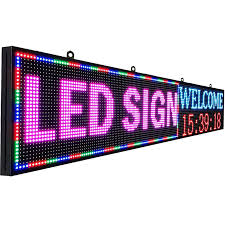
Another key feature is the integration of wireless control systems, such as 4G/5G connectivity and Bluetooth, enabling real-time updates to display content. Taxi operators can remotely adjust pricing, promotional messages, or availability status dynamically, improving customer engagement and information accuracy. The user-friendly software interfaces often support multiple languages and customizable templates, catering to the diverse urban demographics found across global cities.
From a power consumption perspective, the LED taxi display units utilize energy-efficient drivers and power supplies, minimizing battery drain and ensuring compatibility with the vehicle's electrical system. Typical power ratings range from 20 to 50 watts per display, depending on size and brightness, aligning with strict automotive safety and electromagnetic compatibility (EMC) standards such as CISPR 25 and ISO 7637.
Several case studies underscore the effectiveness of LED taxi displays. For example, the implementation of dynamic LED signage in New York City taxis resulted in a 30% increase in passenger inquiries and significantly improved compliance with fare transparency regulations. Similar deployments in European and Asian metropolises have demonstrated enhanced urban mobility experience, reducing passenger wait times by effectively communicating taxi availability.
The future trajectory of LED taxi displays points towards integration with smart city infrastructure and AI-powered analytics, enabling more personalized and context-aware messaging. Innovations such as flexible LED panels and transparent displays are also emerging, promising sleeker designs that seamlessly blend with vehicle aesthetics.
In conclusion, LED taxi displays are not just a medium for visual communication but an essential tool in modern urban transport ecosystems. Their combination of high technical standards, environmental resilience, and operational flexibility make them an indispensable asset for taxi operators worldwide striving to improve passenger service quality, operational efficiency, and city-wide transportation management.