

High Brightness Panel PC: Enhancing Visibility and Performance in Challenging Environments
In the rapidly evolving landscape of industrial automation, outdoor digital signage, and rugged computing applications, high brightness panel PCs have become indispensable tools. These devices are engineered to deliver exceptional display visibility under intense ambient lighting conditions while maintaining robust performance and durability.
Understanding High Brightness Panel PCs
A high brightness panel PC is an all-in-one industrial computer equipped with an advanced LCD display specifically designed to operate optimally in environments with very bright light — often exceeding 1,000 nits (cd/m²) in luminance. Standard commercial screens usually have a brightness of 200 to 400 nits. In contrast, high brightness displays range from 700 nits to upwards of 2,000 nits, ensuring excellent readability even under direct sunlight or harsh artificial lighting.
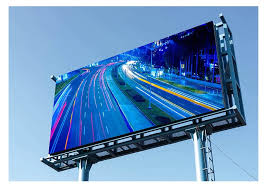
The high luminance levels are achieved through various technologies:
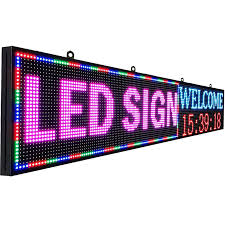
- LED backlighting: High-quality LEDs provide intense and even backlight distribution, crucial for bright displays.
- Optical bonding: This process eliminates the air gap between the LCD panel and the protective glass, reducing reflection and increasing light transmission by up to 30%.
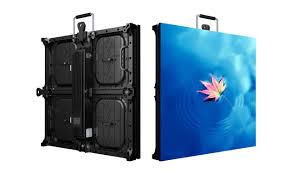
- Anti-reflective coatings: These coatings mitigate glare and reflection, allowing users to see clear images from multiple viewing angles in bright environments.
Technical Parameters That Define Performance
- Brightness: 800–1,500 nits are standard for outdoor rugged panel PCs; ultra-high-brightness models can exceed 2,000 nits.
- Contrast Ratio: Typically ranges from 800:1 to 1200:1. Enhanced contrast improves image clarity in high ambient light.
- Viewing Angles: Wide viewing angles (often 178° horizontally and vertically) ensure consistent image quality when viewed from various positions.
- Durability: IP65 or higher rating on front panels ensures dust and water resistance, essential for outdoor and industrial use.
- Touchscreen Integration: High brightness panel PCs often feature capacitive or resistive touchscreens that work reliably even with gloves or in wet environments.
Applications Driving Demand
- Industrial Automation: Facilities with bright factory lighting or outdoor setups leverage these PCs for control and monitoring. High brightness ensures operators can read critical data in any lighting condition without errors.
- Outdoor Digital Signage and Kiosks: Public information displays, ticketing machines, and advertising screens must maintain legibility despite sunlight and weather conditions.
- Transportation and Marine: Vehicle-mounted or shipboard systems require ruggedness paired with visibility across various lighting scenes.
- Medical and Military Fields: Some specialized applications demand both high visibility and compliance with standards for ruggedness and safety.
Industry Standards and Quality Assurance
Manufacturers of high brightness panel PCs adhere to rigorous quality protocols:
- Compliance with MIL-STD-810G for shock, vibration, and temperature resistance guarantees durability in extreme environments.
- Compliance with IP65/IP67 standards ensures environmental protection.
- Display calibrations follow standards such as sRGB or Rec.709, crucial for color accuracy in professional usage.
- EMI (Electromagnetic Interference) certifications ensure stable performance in electrically noisy environments.
Challenges and Innovations
While boosting brightness improves visibility, it also increases power consumption and heat generation. Advanced thermal management techniques—such as passive heatsinks, heat pipes, and metal housing—help maintain stable operating temperatures without compromising device compactness or reliability.
Moreover, innovations in display technology like mini-LED backlighting and microLED promise even higher brightness with better energy efficiency and lifespan. The integration of low blue light technology also addresses user comfort during prolonged use.
Selecting the Right High Brightness Panel PC
When choosing a high brightness panel PC, consider these factors:
- Required brightness level based on environment (e.g., >1,000 nits for direct sunlight).
- Screen size and resolution according to user interface needs.
- Processing power and I/O options compatible with application requirements.
- Touchscreen type, ensuring usability in the operating context.
- Certification standards matching environmental and industry demands.
Conclusion
High brightness panel PCs are pivotal in bridging the gap between demanding environmental conditions and critical computing tasks. By combining superior display technology, rugged industrial design, and careful adherence to engineering standards, these devices empower industries to operate efficiently, safely, and effectively in harsh lighting and physical contexts.
For comprehensive solutions, partnering with experienced manufacturers who provide customization and adhere to international standards ensures long-term reliability and optimal performance.
———
References:
- International Electrotechnical Commission (IEC) 60529 Standard – IP Code
- MIL-STD-810G Environmental Engineering Considerations and Laboratory Tests
- Society for Information Display (SID) – Panel Performance Parameters
- Industry white papers from major industrial PC providers (Advantech, AAEON, Siemens)













