

Advanced Technologies and Industry Standards in LED LCD Screen Manufacturing
The manufacturing of LED LCD screens has evolved remarkably over the past decade due to advances in semiconductor technology, materials science, and manufacturing processes. As a professional LED display engineer with extensive experience in the field, this article aims to present a comprehensive and authoritative overview of current technologies, critical technical parameters, industry standards, and practical insights to guide design, production, and quality assurance.
At its core, an LED LCD (Light Emitting Diode Liquid Crystal Display) screen integrates two major technologies: the LCD panel serving as the core display matrix and the LED backlighting mechanism that illuminates the screen. This combination offers higher brightness, improved contrast ratios, and better energy efficiency compared to traditional CCFL (Cold Cathode Fluorescent Lamp) backlit LCDs, leading to widespread adoption in consumer electronics, industrial applications, and public displays.
Key Technical Parameters
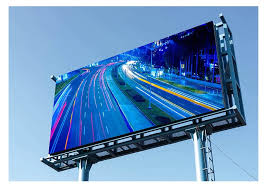
1. Resolution and Pixel Density: The resolution ranges from standard Full HD (1920x1080 pixels) to ultra-high-definition 8K (7680x4320 pixels), depending on the application. Pixel density (PPI) affects image sharpness, with modern LED LCD panels especially for mobile and high-end monitors achieving 300-400 PPI. Higher pixel density demands precision in the layout of RGB subpixels and the uniformity of the liquid crystal layer.
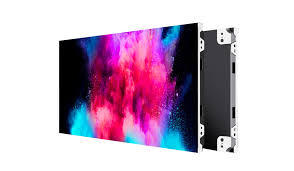
2. Brightness and Contrast Ratio: LED backlighting permits screen brightness levels exceeding 600 cd/m² in typical consumer displays and up to 1500 cd/m² or more for professional HDR (High Dynamic Range) panels. Contrast ratio, the ratio between the luminance of the brightest white to the darkest black, usually ranges from 1000:1 in standard panels to over 5000:1 in advanced VA (Vertical Alignment) LCDs enhanced with local dimming LEDs.
3. Color Gamut and Accuracy: Modern LED-lit LCDs support wide color gamuts, including 95-100% of DCI-P3 or AdobeRGB color spaces. The choice of LED phosphor materials and color filters significantly influences color accuracy and gamut coverage. Calibration using industry-standard methodologies such as Delta E< 2 is essential for professional-grade displays.
4. Response Time and Refresh Rate: Response time, typically measured in milliseconds, affects motion clarity and reduces ghosting in dynamic content. Gaming and high-definition video displays often target response times below 5ms, with refresh rates reaching up to 240Hz for ultra-smooth visuals.
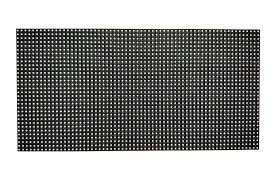
5. Panel Thickness and Viewing Angle: Technological advancements in TFT (Thin Film Transistor) backplane manufacturing allow thinner panels, often below 4mm without bezel, enabling sleeker device designs. IPS (In-Plane Switching) LCD panels provide superior viewing angles, sometimes exceeding 178 degrees horizontally and vertically, crucial in collaborative or public settings.
Manufacturing Process and Quality Control
The assembly process involves precise alignment of the LCD panel, integration with LED backlight units, bonding using optically clear adhesives, and incorporating polarizers and protective glass. Cleanroom environments with ISO Class 5 or better are mandatory to prevent microscopic defects that could cause dead pixels or uneven backlighting.
Extensive quality control measures include automated optical inspection (AOI) using high-resolution cameras to detect pixel abnormalities, luminance uniformity tests, and thermal cycling to ensure durability under varying environmental conditions.
Industry Standards and Certifications
Several international standards govern LED LCD screen manufacture to guarantee product safety, performance, and interoperability:
- IEC 62087 defines video and audio measurement methodologies for multimedia devices, helping standardize brightness and contrast testing.
- ISO 9241-307 provides ergonomic requirements for electronic visual displays, including flicker, glare, and luminance uniformity criteria.
- Energy Star certification helps identify energy-efficient displays, with LED backlighting contributing significantly to reduced power consumption.
- TCO Certified screens meet stringent environmental and ergonomic requirements, reflecting sustainable manufacturing practices and user comfort.
Standards compliance also covers electromagnetic compatibility (EMC) per IEC 61000 series, ensuring minimal interference with other electronic equipment.
Emerging Trends and Future Directions
Mini-LED and Micro-LED backlighting technologies are gaining traction, offering finer local dimming zones and dramatically improved contrast ratios over traditional LED arrays. Micro-LED, in particular, promises self-emissive pixel-level control, combining the benefits of OLEDs without their longevity concerns.
Furthermore, integration of AI for adaptive brightness and color calibration enhances visual comfort and energy savings dynamically. Flexible and transparent LED LCDs are entering niche markets, enabling novel form factors in consumer electronics and automotive displays.
Practical Recommendations
For manufacturers and engineers, rigorous supplier qualification, detailed process control, and continual product testing are paramount to meet evolving customer expectations and regulatory requirements. Investing in up-to-date measurement instruments and simulation software facilitates optimized designs and faster time-to-market. Collaboration with component suppliers to ensure consistency in LED chip quality and liquid crystal materials further elevates panel performance.
In conclusion, the LED LCD screen industry combines mature yet continually evolving technology with stringent international standards to deliver displays that offer unparalleled image quality, energy efficiency, and reliability. Staying informed about technical parameters, manufacturing advancements, and certification criteria is essential for professionals aiming to lead in this competitive and dynamic sector.













