

Waterproof Outdoor Digital Signage: Technical Insights and Best Practices for Durable LED Display Solutions
In the rapidly evolving landscape of digital signage, outdoor installations present unique challenges, particularly when it comes to ensuring durability and performance under harsh environmental conditions. One critical aspect that distinguishes outdoor digital signage from its indoor counterparts is the requirement for waterproofing—a feature essential for withstanding rain, humidity, dust, and temperature fluctuations. This article delves deep into the technical parameters, industry best practices, and engineering techniques that define waterproof outdoor digital signage, focusing primarily on LED display technologies.
Industry Standards and Waterproof Ratings
The first consideration in designing outdoor digital signage is compliance with international waterproof and ingress protection standards. The most widely accepted benchmark is the IP (Ingress Protection) rating as defined by the IEC 60529 standard. For outdoor digital signage, a minimum rating of IP65 is typically recommended; this ensures complete protection against dust ingress and water jets projected from any direction. More stringent projects might require IP66 or even IP67 ratings, where the latter supports temporary immersion in water.
LED Module and Cabinet Design
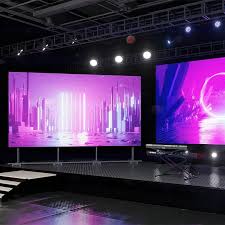
Waterproofing begins at the design phase of the LED module and enclosure. Outdoor cabinets are generally fabricated with marine-grade aluminum or stainless steel to resist corrosion. The LED modules inside employ silicone encapsulation technology for LEDs and driver ICs to prevent moisture penetration. Additionally, conformal coatings are applied on PCBs to enhance resistance against humidity.
Mechanical sealing techniques include the use of EPDM rubber gaskets, silicone seals, and IP-rated connectors for cabling. These components form multiple barriers against environmental elements, maintaining the integrity of the internal electronics. Ventilation is carefully designed with waterproof membranes, like Gore-Tex vents, to allow pressure equalization without letting water in.
Thermal Management
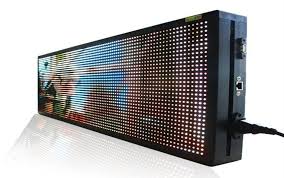
It is a common misconception that waterproofing and heat dissipation are mutually exclusive. However, outdoor displays generate substantial heat and require efficient thermal management to prevent performance degradation. Lightweight heat sinks with high thermal conductivity materials—often aluminum alloy—are integrated without compromising waterproof seals. Some designs incorporate heat pipes or liquid cooling, particularly in large-format displays under intense sunlight.
Brightness and Optical Performance
Outdoor environments require displays with high luminous intensity for readability even in direct sunlight. Typically, outdoor LED signage achieves a brightness of 5000 to 8000 nits or more. However, waterproof coatings and protective glass layers must be optically clear and anti-reflective to avoid reducing brightness or causing image distortion. Tempered, low-iron glass with an anti-UV coating is the standard, ensuring longevity and minimal color shift.
Power and Signal Reliability
Power supplies inside waterproof enclosures must be equally durable. Industrial-grade Meanwell power supplies with IP67 enclosures and surge protection are industry standards. For signal transmission, waterproof RJ45 connectors or fiber-optic cables encased in protective jackets ensure stable data flow. In intelligent signage systems, redundant power design and monitoring modules help maintain continuous operation despite potential environmental stress.
Installation and Maintenance Considerations
Proper installation is imperative to maintain waterproofing integrity over the product lifecycle. Mounting hardware should be compatible with the display’s waterproof seals and avoid penetrating the enclosure unnecessarily. Furthermore, routine maintenance schedules emphasize cleaning protective glass surfaces with non-abrasive materials and checking seals for wear or damage.
Case Study: Urban Wayfinding Displays in Coastal Environments
A recent project involving a large-scale digital wayfinding system installed along a coastal promenade in Singapore exemplifies best engineering practices. The displays were designed with IP67-rated enclosures, silicone-sealed LEDs, and double-layer waterproof membranes. Ambient brightness reached 7000 nits with an optical coating that eliminated sun glare. The project documented over 24 months of continuous operation with negligible downtime, demonstrating the robustness of comprehensive waterproofing solutions.
Emerging Trends and Future Directions
The future of waterproof outdoor digital signage lies in integrating smart sensors for automatic brightness and temperature adjustments, along with self-cleaning nanocoatings that repel water and dust autonomously. Advancements in flexible and transparent OLEDs are also anticipated to push the envelope for outdoor displays, provided waterproof materials evolve concurrently.
In conclusion, mastering waterproof technologies for outdoor digital signage demands an interdisciplinary approach, merging materials science, mechanical engineering, and electrical engineering principles. Adherence to international standards, combined with proven sealing and thermal management techniques, ensures that LED displays remain visually compelling and operationally reliable in the face of multifaceted environmental challenges.
References:
1. IEC 60529: Degrees of Protection Provided by Enclosures (IP Code)
2. LEDs Magazine, “Designing for Outdoor LED Displays,” 2023
3. Meanwell Power Supply Technical Datasheets, 2024
4. Case Study: Coastal Wayfinding Digital Signage, Singapore Urban Solutions, 2022
5. IEEE Transactions on Industrial Electronics, “Thermal Management in Outdoor LED Displays,” Vol. 69, 2023













