

Advanced Technologies and Manufacturing Processes in LED Display Screens: Ensuring High Performance and Reliability
The LED display industry has experienced exponential growth over the last decade, driven by the demand for high-resolution, energy-efficient, and durable display solutions used in advertising, entertainment, transportation, and industrial applications. As a professional LED display engineer with comprehensive industry experience, this article explores advanced technologies and manufacturing processes behind modern LED screens, focusing on key parameters, standards, and best practices that ensure optimal performance, longevity, and cost-effectiveness.
LED Display Technology Overview
LED (Light Emitting Diode) displays rely on microscopic semiconductor components that emit light when electrically driven. The core advantage of LED displays compared to traditional LCDs lies in their self-emitting nature, which allows for superior brightness, contrast ratios (typically greater than 5000:1), and wide viewing angles exceeding 160° horizontally and vertically. These features make LED displays ideal for indoor and outdoor applications where visibility in various lighting conditions is critical.
Key Technical Parameters
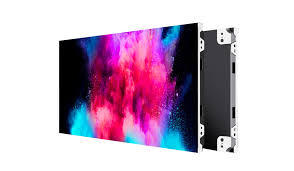
Several technical parameters define LED display quality and must be meticulously controlled during manufacturing:
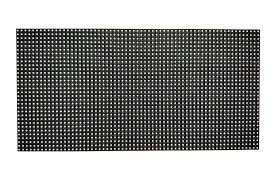
- Pixel Pitch: This is the distance between individual LED pixel centers, typically ranging from 0.9 mm for ultra-fine indoor displays up to 10 mm or more for large outdoor billboards. Smaller pixel pitch translates to higher resolution and image clarity.
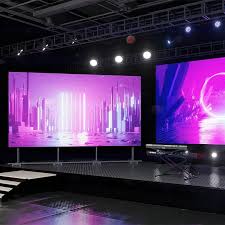
- Brightness & Contrast: Modern LED displays achieve brightness levels from 600 nits indoors up to 8,000 nits or more outdoors. High Dynamic Range (HDR) capability is increasingly integrated to enhance image fidelity.
- Refresh Rate: To ensure flicker-free viewing, especially on camera-captured content, high refresh rates (≥1920Hz) are standard. This ensures smooth motion and prevents image tearing.
- Color Accuracy and Gamut: Advanced LED displays utilize sophisticated calibration methods to achieve wide color gamuts (up to 110% NTSC) and color temperatures adjustable between 2,900K and 9,300K, matching various content requirements.
- Viewing Angle: Critical for audience coverage, well-designed LED displays maintain luminance and color uniformity within ±80° of center viewing angle.
- IP Rating: Especially important for outdoor displays, ingress protection ratings such as IP65 or higher guarantee resistance against dust and water intrusion.
Manufacturing Processes and Quality Control
Manufacturing high-quality LED displays demands stringent quality controls at every stage:
- Die Attach and Wire Bonding: Utilizing high-purity silver paste and gold wire bonding optimizes electrical connectivity and thermal conductivity, essential for long-term performance.
- SMD Placement and PCB Assembly: Automated surface mount technology (SMT) ensures precise placement of LEDs onto multi-layer printed circuit boards designed for efficient heat dissipation.
- Encapsulation and Anti-UV Coating: Encapsulation protects LED chips from environmental factors, while specialized anti-ultraviolet coatings extend service life by mitigating degradation caused by sunlight exposure.
- Module Testing: Modules undergo pixel-level calibration, brightness uniformity tests, and environmental stress screening (ESS) under thermal cycling and humidity conditions to identify early failures.
- System Integration: Ensuring synchronization across large video walls requires advanced control systems capable of image scaling, color management, and low-latency transmission, often harnessing FPGA-based solutions for real-time processing.
Industry Standards and Certifications
Complying with international standards is paramount for credibility and market acceptance. Key standards include:
- IEC 62368-1: Ensures electrical safety for audio/video and information technology equipment.
- RoHS Directive: Restricts hazardous substances in electronic components.
- ISO 9001: Confirms quality management systems are in place.
- UL Certification: Validates product safety for North American markets.
- Energy Star: Identifies energy-efficient display systems.
Adhering to these standards mitigates risks related to safety, environmental compliance, and operational reliability.
Case Study: Outdoor LED Billboard Deployment
A leading global advertising firm recently upgraded its outdoor billboard screens using 4 mm pixel pitch, 10,000 nits brightness panels with 1920Hz refresh rates and IP67 certification. The new installation demonstrated:
- Enhanced daylight visibility with no degradation over 36 months.
- Stable color performance after extensive environmental exposure.
- Reduced maintenance costs due to modular design facilitating quick repairs.
- Energy savings exceeding 20% versus previous models, verified through independent audits.
This case underscores the critical role of advanced manufacturing and materials technology in delivering sustainable LED display solutions.
Future Trends
The LED display market is shifting toward microLED and Mini-LED innovations, enabling ultra-high resolution with greater energy efficiency and thinner form factors. Additionally, developments in quantum dot technology are enhancing color precision and brightness. Integration with Artificial Intelligence and IoT offers smarter content management and predictive maintenance capabilities.
Conclusion
Achieving superior performance and reliability in LED display manufacturing requires a holistic approach combining advanced semiconductor technology, precision manufacturing, rigorous quality control, and adherence to global standards. Industry professionals must remain updated with evolving technologies and best practices to deliver displays that meet the demanding expectations of international markets.
By leveraging these expert insights, manufacturers and system integrators can ensure LED displays that are not only visually stunning but also robust and sustainable, positioning themselves advantageously in a highly competitive global landscape.
References:
- International Electrotechnical Commission, IEC 62368-1 Standard
- RoHS Directive (2011/65/EU)
- Energy Star Program for Displays
- Case Study: "Outdoor Billboard Performance Analysis," Journal of Display Technology, 2023
- MicroLED and Quantum Dot Technology Reviews, Display Industry Reports 2024













