

Advanced Manufacturing Processes and Quality Control in LED LCD Display Production
In the rapidly evolving field of display technology, LED LCD screens hold a pivotal position, combining the vibrant color output of LEDs with the precise image control of liquid crystal displays. Their widespread application ranges from consumer electronics to industrial and medical devices, making the manufacturing processes and quality control measures critical for delivering superior products that meet stringent performance and reliability standards.
Understanding LED LCD Display Architecture
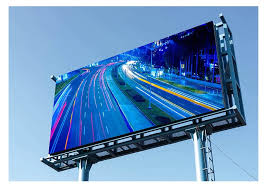
An LED LCD display typically consists of a backlight system composed of Light Emitting Diodes (LEDs), a liquid crystal layer, polarizing filters, color filters, and glass substrates. The LED backlight is either edge-lit or direct-lit, influencing brightness uniformity and device thickness. The liquid crystals modulate light to create images, coordinated with thin-film transistor (TFT) arrays that control individual pixels. This multi-layered structure demands precision during manufacturing to ensure optimal visual performance, energy efficiency, and durability.
Key Manufacturing Stages
1. LED Backlight Module Fabrication
The backlight module demands uniform LED placement to ensure consistent luminance across the panel. High-precision pick-and-place machines are standard, alongside optical simulations using software like Zemax to optimize LED arrangement. Common white LED sources utilize blue LEDs with yellow phosphor or RGB LEDs for wider color gamut displays.
2. LCD Panel Assembly
The liquid crystal layer is sandwiched between two glass substrates coated with indium tin oxide (ITO) electrodes. Manufacturing must maintain uniform cell gap thickness, typically controlled between 3 to 6 micrometers by spacer beads to ensure consistent brightness and contrast. Cleanroom environments with ISO 5 or better are essential to avoid contamination, which can cause display defects such as mura (uneven brightness).
3. Integration and Encapsulation
Integrating backlight and LCD layers requires meticulous lamination to prevent air bubbles and delamination, which degrade display quality. Encapsulation techniques using UV-curable adhesives enhance mechanical stability and moisture resistance, crucial for extending display lifespan.
4. Driver Electronics and Testing
The TFT driver circuitry that controls pixel activation is soldered using highly reliable techniques like reflow soldering under controlled atmosphere conditions (nitrogen environment), reducing oxidation and improving joint integrity. Post-assembly testing includes optical inspections, electrical performance assessments, and accelerated aging tests following industry standards such as IEC 62368-1.
Quality Control and Industry Standards
Quality in LED LCD manufacturing is governed by comprehensive testing protocols to ensure displays meet the required International Electrotechnical Commission (IEC) and Society for Information Display (SID) standards. Parameters such as luminance uniformity (targeting ≥90% uniformity), color gamut (preferably covering 90-100% of Rec. 709 for standard displays), response time (below 8 ms for general consumer displays), and viewing angle consistency (≥178° horizontal and vertical) are measured.
Defect inspection employs automated optical inspection (AOI) systems equipped with high-resolution cameras and AI algorithms to detect pixel defects, mura spots, and backlight bleeding. In addition, thermal cycling and humidity exposure tests simulate real-life environmental stresses to guarantee long-term reliability.
Technological Trends in LED LCD Manufacturing
Advancements in manufacturing include adopting quantum dot enhancement films (QDEF) to boost color accuracy and brightness without increasing power consumption. Furthermore, mini-LED and micro-LED backlights have emerged, offering higher contrast ratios, improved local dimming control, and thinner form factors. While mini-LEDs utilize thousands of LEDs as backlight units, micro-LEDs are self-emissive, promising better efficiency but currently represent a more complex production challenge.
Additive manufacturing and automation technologies such as AI-driven defect analysis and robotic assembly lines streamline production, reduce human error, and increase throughput. The integration of Industry 4.0 principles facilitates real-time monitoring via IoT sensors, ensuring tighter process control and rapid response to deviations.
Conclusion
The production of high-quality LED LCD screens requires an intricate balance of advanced materials, precise engineering, and stringent quality control measures. By adhering to international standards and leveraging emerging technologies, manufacturers can consistently deliver displays that meet escalating consumer and industrial demands for visual performance and reliability.
For engineers and manufacturers in the LED LCD sector, staying abreast of the latest materials science innovations and automation techniques is essential. These enable not only improved product specifications but also cost-efficient, scalable manufacturing that aligns with global sustainability goals.
Authoritative references for further reading include the Society for Information Display’s (SID) technical papers, IEC 62368-1 safety standards, and detailed manufacturing analyses published by the International Display Workshops (IDW). Industry leaders such as LG Display, Samsung Display, and AU Optronics provide practical case studies that underscore the critical manufacturing and quality approaches outlined.













