

Advanced LED LCD Display Manufacturing: Technical Insights and Industry Standards
In the realm of modern display technologies, LED LCD screens occupy a pivotal position due to their remarkable visual performance, energy efficiency, and versatile applications across consumer electronics, industrial equipment, and large-scale digital signage. As a seasoned engineer specializing in LED LCD screen manufacturing, this article delves into the fundamental manufacturing processes, key technical parameters, quality assurance practices, and industry standards critical to producing high-quality LED LCD displays that meet both consumer and professional demands.
Manufacturing High-Quality LED LCD Screens: Core Processes
The production of LED LCD displays involves integrating liquid crystal technology with LED backlighting systems, requiring precision, reliability, and stringent process control at every stage. The fundamental steps include substrate preparation, thin-film transistor (TFT) array fabrication, liquid crystal layer application, color filter deposition, backlight assembly, and final module integration.
Substrate and TFT Fabrication
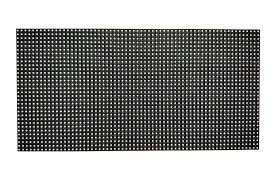
The base of an LED LCD panel starts with ultra-smooth glass substrates, typically made from Corning Eagle XG or similar high-grade silica glass. TFT arrays are patterned on the substrate using photolithography and etching techniques to form pixel-level switching elements. Modern manufacturing employs low-temperature polysilicon (LTPS) or amorphous silicon (a-Si) TFT backplanes depending on the resolution and refresh rate requirements. LTPS offers higher electron mobility, enabling higher pixel densities (over 400 PPI) and superior image quality preferred in premium devices.
Liquid Crystal Layer and Color Filters
After TFT fabrication, the liquid crystal layer is applied with extreme precision; thickness control within ±0.5 micrometers is critical to ensuring uniform light modulation. The alignment layers, often polyimide films, are rubbed to guide the orientation of liquid crystal molecules. Color filter arrays—red, green, and blue—are deposited through photolithographic processes and have optical density and color accuracy parameters aligned with the sRGB or BT.2020 standards to achieve a broad color gamut.
LED Backlighting Assembly
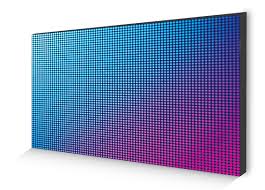
Unlike traditional CCFL backlights, LED backlight units (BLUs) provide higher brightness, longer lifespan, and energy efficiency. They employ either edge-lit or direct-lit LED configurations with careful diffuser and prism films to achieve uniform luminance distribution. Critical performance parameters include a luminance range typically between 300 to 1000 nits for consumer-grade displays, with professional monitors reaching upwards of 1500 nits. Color temperature calibration (usually 6500K white point) and PWM dimming frequencies above 2000 Hz are maintained to reduce flicker and eye strain.
Testing and Quality Control Standards
Ensuring the reliability and performance of LED LCD displays necessitates rigorous quality control procedures aligned with international standards such as ISO 9241-307 for ergonomics and IEC 60068 for environmental testing. Key testing metrics include:
- Contrast Ratio: Modern displays aim for at least 1000:1 to provide deep blacks and vivid colors.
- Response Time: A sub-8ms response is ideal to minimize motion blur in video playback.
- Viewing Angle: In-plane switching (IPS) technology delivers wide viewing angles typically exceeding 178° horizontally and vertically.
- Color Accuracy: Factory calibration achieves D65 white point and Delta E<2 for color fidelity critical in graphic design and professional imaging.
- Durability Tests: Temperature cycling, humidity resistance, and vibration tests ensure operational integrity in diverse environments.
Industry Trends and Emerging Technologies
Recent advances integrate quantum dot enhancement layers and mini-LED backlighting to further enhance color volume and contrast ratios. Mini-LEDs allow local dimming zones reaching over 2000 zones, significantly improving HDR performance. Additionally, flexible OLED-LCD hybrid displays, embedding organic layers within LCD stacks, are emerging to deliver improved contrast while maintaining LCD advantages.
Environmental considerations have also become paramount. Manufacturers increasingly adopt eco-friendly materials compliant with RoHS and WEEE directives, while improving power efficiency in backlight designs to reduce carbon footprints.
Conclusion
LED LCD manufacturing remains a sophisticated discipline demanding precision engineering, adherence to rigorous testing protocols, and continuous innovation. By aligning technical parameters with robust quality standards and evolving market needs, manufacturers can produce displays that excel in performance, reliability, and sustainability, meeting the expectations of global consumers and professional users alike.
References:
- International Electrotechnical Commission (IEC) Standards IEC 60068
- ISO 9241-307 Ergonomics of Human-System Interaction
- Corning Incorporated Product Technical Data Sheets
- Society for Information Display (SID) Journal, 2023 Edition
- DisplayMate Technologies Performance Evaluations













