

Advances and Best Practices in LED Display Manufacturing: Technical Insights and Industry Standards
The LED display industry has witnessed remarkable advancements over the past decade, demanding engineers and manufacturers to continuously innovate while adhering to strict quality standards. This article delves into the technical nuances, manufacturing processes, and industry benchmarks integral to producing high-quality LED and LCD screens. By integrating practical experience with established norms, we aim to provide an authoritative overview suited for professionals and stakeholders worldwide.
Introduction
LED (Light Emitting Diode) displays have become ubiquitous across various applications—from outdoor stadium screens to indoor digital signage and consumer electronics. The industry's growth is propelled by technological improvements in efficiency, brightness, and resolution, accompanied by rigorous standards such as IEC 62368 and ANSI/CTA-2075, ensuring safety and performance. Understanding the manufacturing chain and technical parameters is essential for achieving reliable LED displays that meet market demands.
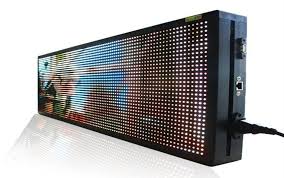
Technical Overview and Key Parameters
The LED display manufacture begins with substrate preparation, typically using high-purity silicon wafers for micro-LEDs or PCB substrates for conventional LED panels. Critical parameters influencing display performance include:
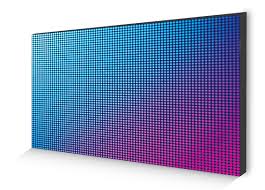
- Pixel Pitch: This determines the distance between the centers of two adjacent pixels. Typical values vary from 0.5mm for micro-LEDs in mobile devices to over 10mm for large-scale outdoor displays. A finer pixel pitch results in higher resolution and image sharpness but raises production complexity and cost.
- Brightness: Measured in nits (cd/m²), outdoor LED displays commonly require 5,000-10,000 nits to overcome daylight glare, whereas indoor displays generally range between 300 and 1,000 nits. Maintaining uniform luminance across the panel is crucial for visual consistency.
- Refresh Rate: Standard refresh rates range from 60Hz to above 3840Hz, with higher rates preventing flickering and improving video smoothness. Displays tailored for broadcast environments often exceed 3,000Hz as per SMPTE standards.
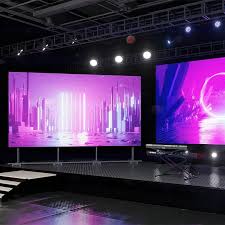
- Color Accuracy and Gamut: Calibration against standards like sRGB and Adobe RGB ensures consistent color reproduction. The use of multi-chip RGB LEDs and advanced driver ICs helps achieve a high color gamut and accurate color temperature control.
Manufacturing Best Practices
An expert approach to LED display manufacturing involves multiple stages:
1. Component Selection and Testing: Procuring LEDs with consistent luminosity and chromaticity is pivotal. Automated optical inspection (AOI) systems verify uniformity and detect defects early, reducing yield loss.
2. Assembly and Soldering: Surface-mount technology (SMT) and precision pick-and-place machines ensure accurate placement of LEDs on the PCB. Reflow soldering must maintain temperature profiles to avoid thermal stress while securing robust electrical contact.
3. Drive Circuit Integration: Modern displays employ IC drivers conforming to protocols like SPI or I2C, enabling multiplexing and grayscale control. Integration must consider power distribution to avoid voltage drop and ensure uniform brightness.
4. Encapsulation and Protection: To enhance durability, LEDs are coated with silicone or epoxy resins, providing protection against moisture, dust, and mechanical impact. Outdoor displays additionally include ultraviolet (UV) and anti-corrosion treatments.
5. Calibration and Aging: Post-assembly calibration utilizes photometric equipment and colorimeters to align brightness and chromaticity across the entire display panel. Aging or burn-in processes stabilize LED output and verify long-term reliability.
6. Quality Assurance and Compliance: Compliance with industry standards such as RoHS, CE, FCC, and UL certifications is mandatory. Rigorous environmental testing—covering temperature cycles, humidity, vibration, and shock—is performed to simulate real operating conditions and ensure product lifespan.
Case Study: Enhancing Outdoor LED Display Longevity
In a recent project involving an LED stadium screen, engineers implemented a multi-layer moisture barrier supplemented by hydrophobic coatings, significantly reducing ingress of water vapor. By integrating a distributed heat dissipation system using aluminum backplanes and forced air cooling, the operational temperature remained below 50°C, extending LED life by an estimated 30%. Furthermore, adopting a modular design streamlined maintenance and allowed partial panel replacement without full system downtime.
Conclusion
Producing high-performance LED displays demands a meticulous balancing of technical parameters, precise manufacturing techniques, and strict adherence to quality standards. Advances in material science, driver electronics, and calibration methodologies continue to push the boundaries of display resolution, brightness, and durability. Capitalizing on contemporary best practices and standards not only enhances product longevity and reliability but also meets the increasingly sophisticated expectations of international markets.
For manufacturers and engineers, continuous innovation combined with comprehensive quality management represents the cornerstone for excelling in the highly competitive LED display industry.













