

Outdoor 3D LED Display: Technology, Applications, and Industry Insights
Outdoor 3D LED displays represent a pioneering advancement in visual technology, offering immersive and dynamic content presentation in open environments. As a professional LED display engineer with extensive experience in LED screen manufacturing, this article delves into the technical aspects, applications, and industry standards behind outdoor 3D LED displays, providing practical insights for international enterprises, urban planners, and advertisers seeking high-impact solutions.
Technical Architecture and Key Parameters
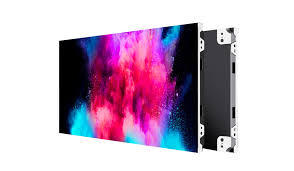
A 3D LED display fundamentally integrates conventional LED modules with stereoscopic imaging technology, enabling the perception of depth without requiring glasses. Outdoor 3D LED screens must be designed with high brightness levels, robust IP ratings, and advanced control systems to perform reliably under varying weather conditions.
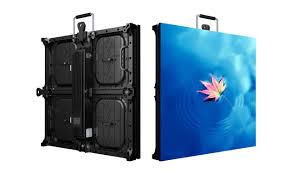
- Brightness: Typically ranging from 6,000 to 10,000 nits, ensuring visibility under direct sunlight. According to the Illuminating Engineering Society (IES), outdoor displays need at least 5,000 nits, but 3D effects require optimal brightness for clarity.
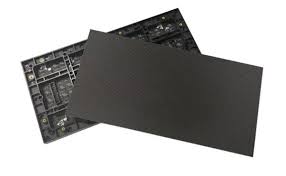
- Pixel Pitch: Commonly between 4mm and 10mm for outdoor 3D displays, balancing resolution with viewing distance. Smaller pixel pitches improve image definition but increase cost.
- Refresh Rate: A minimum of 1920 Hz refresh rate is recommended to avoid flickering in stereoscopic content.
- Viewing Angle: Wide horizontal and vertical viewing angles above 140° are essential to accommodate multiple audience perspectives, critical for 3D depth perception.
- Ingress Protection: IP65 or higher protects against dust and rain, essential for outdoor installations.
3D Display Techniques
The two prevalent methods enabling 3D effects in LED displays are autostereoscopy and parallax barrier technology. Autostereoscopic displays generate 3D visuals without glasses by directing light specifically to each eye, an approach increasingly adopted in large LED arrays. Parallax barriers or lenticular lenses guide light rays to simulate depth perception.
Manufacturing Challenges and Solutions
Manufacturing outdoor 3D LED displays involves addressing several challenges:
- Thermal management: High brightness generates heat that must be dissipated using high-quality heat sinks and active cooling systems to maintain the display’s lifespan and performance.
- Calibration precision: Accurate color and brightness calibration ensures consistent 3D effects. This often requires software algorithms and hardware Gamma correction tailored to each installation.
- Durability: Outdoor 3D LEDs face UV exposure and environmental wear; utilizing corrosion-resistant materials and conformal coatings improves longevity.
Leading manufacturers employ automated surface mount technology (SMT) and robust quality control procedures that comply with standards such as IEC 62368-1 for safety and IEC 60529 for ingress protection.
Applications and Case Studies
Outdoor 3D LED displays have notable applications across several sectors:
- Advertising: Retailers and brands use dynamic, attention-grabbing 3D visuals for billboards and event promotion. For instance, Samsung’s 3D outdoor LED campaigns in Times Square have significantly elevated brand engagement metrics.
- Public Spaces & Urban Art: Cities implement 3D LED walls for cultural festivals and public announcements, enhancing community interaction.
- Sports and Entertainment: Stadium installations with 3D content elevate the audience experience by providing multiple perspectives of live events.
A landmark case is the “3D LED Cube” project in Shenzhen, China, utilizing a 6mm pitch 3D LED display with 8,000 nits brightness and IP65 rating, which demonstrated superior stability and vivid 3D imagery in outdoor demonstrations.
Industry Trends and Future Directions
The outdoor 3D LED display market is evolving with innovations like micro-LED technology, promising higher brightness and energy efficiency. Integration with AI-driven content management systems enables real-time adaptive 3D visuals based on audience interaction data.
Standardization efforts by the International Electrotechnical Commission (IEC) and Society for Information Display (SID) are helping define criteria for outdoor 3D LED display performance, interoperability, and safety.
Conclusion
Outdoor 3D LED displays combine cutting-edge technology, meticulous engineering, and strategic applications to transform urban landscapes and advertising. Their success depends on optimizing brightness, pixel pitch, durability, and delivering seamless 3D experiences without compromising operational reliability. For stakeholders aiming to adopt these solutions, partnering with experienced manufacturers and adhering to industry standards ensures robust performance and lasting impact.













