

Technical Advantages of MIP LE...
Technical Advantages of MIP LED
1. Ultra-fine Pixel Pitch
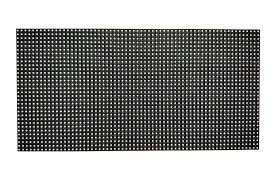
MIP LED displays dramatically outperform traditional LED modules, which generally have pixel pitches of 2.5 mm and above, by delivering resolutions that rival LCD and OLED panels. New generation MIP cabinets can achieve pixel pitches as low as 0.9 mm, which means up to 1.23 million pixels per square meter, facilitating seamless images without visible pixel steps upon close inspection.
2. High Refresh Rate and Low Latency
One of the critical performance benchmarks in LED display engineering is the refresh rate. MIP LED panels boast refresh rates typically exceeding 3840 Hz, significantly reducing flicker and motion blur, which is critical for live broadcasting and digital signage applications. The low latency further enhances real-time video streaming and interactive use.
3. Superior Color Accuracy and HDR Support
Utilizing advanced SMD (Surface-Mounted Device) LED packages alongside precision color calibration, MIP displays achieve up to 16-bit color depth per channel, enabling richer color gradients and more subtle image nuances. Support for HDR (High Dynamic Range) standards further elevates brightness and contrast, leading to visually stunning renderings that are essential in museums and broadcast environments.
4. Slim and Lightweight Design
MIP LED modules are engineered with a focus on modularity and ease of installation. Each module weighs approximately 3.5 kg/m² with a thickness under 30 mm, enabling ultra-slim video walls that reduce structural support requirements and simplify maintenance access. Cabinet sizes are often standardized at 480 mm x 540 mm, facilitating clean seams and flexible configurations.
5. Longevity and Reliability
Maintaining high luminance (up to 600-800 nits) and color stability over extended periods is critical. MIP LED displays utilize high-quality components designed to operate reliably for over 100,000 hours with minimal brightness degradation. The modules are typically rated at IP30 for dust resistance and have advanced heat dissipation techniques including passive aluminum backplates.
Applications and Case Studies
MIP LED displays have gained tremendous traction globally in sectors where image fidelity and seamless integration are paramount. For instance, premier broadcast stations like NHK (Japan Broadcasting Corporation) have implemented MIP LED walls in their studios for dynamic content without distracting visible pixels or flickers. Similarly, high-end corporate conference rooms in Fortune 500 companies employ MIP LED for real-time data visualization and video conferencing.
In retail, MIP LED walls enable ultra-sharp digital signage that attracts customer attention while fitting contemporary architectural demandes. Museums and exhibition centers leverage the technology for digital art displays offering vibrant and immersive experiences, often customized to meet precise lighting and spatial requirements.
Industry Standards and Manufacturing Insights
MIP LED production adheres strictly to IEC (International Electrotechnical Commission) standards and RoHS compliance to ensure safety and environmental sustainability. Manufacturers employ die-bonding techniques with precision placement machinery (±0.02 mm accuracy) to guarantee consistent pixel pitch and optimal viewing angles—typically 140° horizontal and vertical to suit indoor environments.
Quality control includes color uniformity tests using spectroradiometers and luminance stability tests to ensure consistent output across the video wall. Furthermore, module firmware supports software-based calibration and error correction algorithms, enhancing long-term performance and simplifying field maintenance.
Conclusion
As indoor LED display requirements continue to evolve toward higher resolutions, brighter images, and slimmer form factors, MIP LED technology stands out as the definitive solution. Its fine pixel pitch, superior refresh rate, excellent color fidelity, and reliable build have rightfully made it the gold standard for indoor applications demanding the highest visual quality. For engineers, integrators, and buyers aiming to deliver unparalleled display experiences, investing in MIP LED technology guarantees future-proof, high-performance installations tailored to modern multimedia needs.













