

Cutting-Edge Advances in LED Display Technology: Engineering Excellence and Industry Insights
The evolution of LED display technology has profoundly transformed visual communication across industries. As an LED display engineer with extensive experience in manufacturing LED LCD screens, I understand the critical importance of integrating advanced engineering principles, stringent quality controls, and emerging innovations to deliver high-performance, reliable, and versatile display solutions. This article explores the core aspects of LED display manufacturing, technical parameters driving product excellence, and key industry trends shaping the future of LED LCD displays.
Introduction
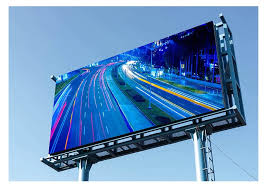
Over the last decade, LED displays have become ubiquitous, from outdoor advertising and digital signage to high-definition televisions and medical imaging. Their unparalleled brightness, color accuracy, and energy efficiency have set them apart from traditional display technologies such as fluorescent and plasma screens. However, meeting the escalating demands of end users requires a precise combination of advanced materials, manufacturing processes, and quality assurance guided by established industry standards like IPC-7351 and IEC 62368-1. This article offers an authoritative overview of LED display engineering principles, practical insights into manufacturing workflows, and critical technical parameters underpinning performance and durability.
Main Body
Engineering Foundations and Manufacturing Workflow
The manufacturing of LED LCD screens is a multistage process involving substrate preparation, LED chip bonding, driver IC integration, encapsulation, and final assembly. Typically, manufacturers utilize epitaxial growth techniques such as Metal-Organic Chemical Vapor Deposition (MOCVD) to develop high-quality gallium nitride (GaN) based LED chips. These chips are carefully diced and mounted onto printed circuit boards (PCBs) designed with optimized trace layouts to minimize signal interference and thermal stresses.
LED driver ICs play a vital role in regulating current and ensuring uniform brightness across the display. Advanced chipsets support features like pulse-width modulation (PWM) dimming and dynamic refresh rate adjustments to enhance power efficiency and reduce flicker, complying with the IEEE 1789 standard for flicker measurement.
Encapsulation using silicone or epoxy resins provides protection against moisture and mechanical shocks, extending the operational lifespan. Display modules undergo rigorous testing, including thermal cycling (-40°C to 85°C), humidity exposure (85% RH), and optical performance assessments (color gamut, luminance uniformity). These reliability tests align with industry benchmarks like JEDEC JESD22-A104D.
Key Technical Parameters Influencing Performance
1. Pixel Pitch and Resolution: The pixel pitch, usually measured in millimeters, directly impacts resolution and image sharpness. For indoor LED displays, common pixel pitches range from 0.9mm to 3mm, while outdoor applications can tolerate 4mm to 10mm pitches due to viewing distance differences.
2. Brightness and Contrast Ratio: LED displays typically offer luminance levels from 800 to over 5,000 nits, enabling visibility under direct sunlight. Contrast ratios exceeding 5,000:1 ensure vivid images with deep blacks even in high ambient light.
3. Color Rendering and Gamut: High-end displays achieve 95% or greater coverage of professional color spaces such as DCI-P3 or Adobe RGB, mandated for applications demanding precise color fidelity, including medical diagnostics and broadcasting.
4. Viewing Angle: A wide viewing angle of 160° to 180° both horizontally and vertically ensures consistent image quality without color distortion, crucial for public installations and control room environments.
5. Power Consumption and Thermal Management: Power efficiency is enhanced through methods such as adaptive brightness and advanced driver IC algorithms. Effective thermal dissipation mechanisms, including heat sinks and active airflow, prevent heat buildup, maintaining device reliability.
Industry Trends and Innovations
Emerging trends in LED display manufacturing emphasize miniaturization and flexible form factors. Micro-LED technology, leveraging microscopic LEDs with individual control, promises enhanced brightness, contrast, and longevity compared to conventional LCDs. Additionally, flexible and transparent LED displays are opening new frontiers in architectural integration and augmented reality applications.
Sustainability is another focus area, with manufacturers adopting recyclable materials and low-impact production methods aligned with ISO 14001 environmental management standards. Moreover, the adoption of AI-driven quality inspection systems is improving defect detection rates, reducing waste and rework.
Conclusion
The continuous advancement of LED display technology embodies a multidisciplinary engineering effort that balances material science, electrical engineering, and manufacturing expertise. By understanding and implementing precise technical parameters and stringent quality standards, industry professionals can deliver displays meeting the highest requirements for clarity, durability, and energy efficiency. The future of LED displays lies in embracing cutting-edge innovations like micro-LEDs, flexible substrates, and smart manufacturing processes, fostering richer visual experiences across global markets.
For engineers and manufacturers alike, staying abreast of technological improvements and international standards ensures the delivery of superior LED LCD screens capable of meeting evolving consumer and industry demands.













