

Fine Pitch LED Video Walls: Advancing Visual Excellence in Display Technology
Fine pitch LED video walls have revolutionized the visual display industry by offering unprecedented pixel density, superior image clarity, and versatility across a broad range of applications. As a professional LED display engineer with extensive experience in manufacturing and deploying LED LCD screens, this article delves into the technical intricacies, industry standards, and practical advantages of fine pitch LED video walls, emphasizing their significance in today’s digital signage landscape.
Understanding Fine Pitch LED Technology
The pitch in LED displays refers to the distance between the centers of adjacent LED pixels, typically measured in millimeters (mm). A "fine pitch" LED video wall is characterized by a pixel pitch of less than 2.5mm, with cutting-edge models now achieving sub-1mm pixel pitch. This extremely tight pixel spacing results in incredibly high pixel density, allowing for detailed and vibrant images even when viewed at very close distances.
Technically, smaller pixel pitch translates into a higher pixel per square meter count. For instance:
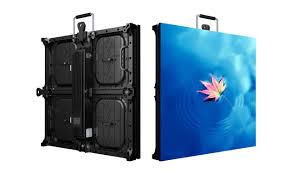
- A 1.5mm pitch LED panel houses approximately 444,444 pixels per square meter.
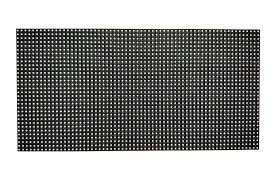
- A 0.9mm pitch panel increases this density significantly, enabling ultra-high definition content display on large-scale surfaces.
Key Technical Parameters
1. Pixel Pitch: Ranges from 0.7mm (micro LED) up to 2.5mm for fine pitch screens, with smaller pitches often used indoors.
2. Brightness: Fine pitch LED walls typically deliver brightness levels between 800 to 1500 nits, optimized for indoor use where ambient light is controlled.
3. Refresh Rate: Modern fine pitch displays operate at refresh rates above 3840 Hz, ensuring flicker-free performance suitable for broadcast-quality video.
4. Color Accuracy: High color gamut compatibility (up to 95% Rec. 709 or higher) with precise 14-bit or 16-bit grayscale processing.
5. Viewing Angle: Wide viewing angles (typically 160° horizontal and vertical) allow consistent image quality across a broad audience zone.
6. Contrast Ratio: High contrast ratios (often exceeding 3000:1) enable deep blacks and vivid images, crucial for dynamic visual content.
Manufacturing Excellence and Quality Control
The production of fine pitch LED video walls demands meticulous engineering and strict quality assurance. Key manufacturing challenges include:
- Precision PCB fabrication to ensure perfect alignment of densely packed LEDs.
- Thermal management, as dense LEDs generate heat, necessitating advanced heat dissipation methods such as aluminum backplanes and high-quality thermal interface materials.
- Calibration and binning processes to match LED brightness and color uniformity across the display.
- Modular design, allowing easy maintenance and scalable configurations.
Industry standards like the IEC 62471 for photobiological safety ensure that fine pitch LED walls are safe for continuous close proximity viewing without causing visual discomfort or eye damage.
Applications and Advantages
Fine pitch LED video walls have become indispensable in numerous commercial and institutional domains:
- Broadcast studios and control rooms benefit from flawless image clarity for monitoring and presentation.
- Corporate lobbies and conference facilities leverage fine pitch walls for engaging corporate branding and communications.
- Retail environments and showrooms use them to create immersive customer experiences with dynamic content.
- Museums and galleries employ them for interactive exhibits that demand ultra-high resolution.
- Virtual production and augmented reality studios integrate fine pitch LED panels for realistic backdrops facilitating real-time compositing.
Compared to traditional LCD video walls, fine pitch LED video walls provide:
- Seamless, near-borderless installation without bezels interrupting visuals.
- Superior viewing angles and brightness uniformity.
- Lower power consumption per unit area.
- Longer operational lifespan with robust LED components (capable of 100,000 hours of usage at optimal conditions).
Future Trends and Innovations
The trend in fine pitch LED technology is firmly moving towards pixel pitches below one millimeter, often referred to as micro-LED. This transition enables true 8K and higher display resolutions on large format screens with even more accurate color reproduction and energy efficiency.
Additionally, advancements in chip-scale packaging (CSP) and miniaturized driver ICs are driving cost reductions and improving volumetric scalability. Integration with AI-powered calibration solutions and IoT connectivity is also enhancing maintenance capabilities and adaptive display management in real-time environments.
Conclusion
Fine pitch LED video walls represent the pinnacle of LED display technology, offering unmatched image precision and operational versatility. Their adoption across various industries reflects the value of high-resolution, immersive, and reliable visual presentation systems. For manufacturers and end-users alike, understanding the technical parameters and application potentials of fine pitch LED video walls is essential to harnessing the advantages they provide and staying competitive in the ever-evolving digital display ecosystem.
References:
- International Electrotechnical Commission (IEC) 62471: Photobiological Safety of Lamps and Lamp Systems.
- Society for Information Display (SID) Standards on LED Display Performance.
- ROE Visual and Leyard Display White Papers on Fine Pitch LED Technology.
- Journal of Display Technology: Advances in Micro LED Manufacturing Processes (2023).













