

Taxi Top Displays: Advanced Technology and Industry Applications for Effective Advertising
Taxi top displays have become an essential medium in urban advertising, blending innovation with practical deployment to capture audience attention effectively. As an LED display engineer with years of experience in the industry, I will provide an in-depth exploration of taxi top displays from a technical and market-oriented perspective, supporting insights with recent developments and industry standards.
Taxi top displays refer to LED or LCD digital screens installed on the roofs of taxis, offering dynamic advertising solutions in constantly moving urban environments. Their unique mobility and visibility outside traditional static billboards allow advertisers to target a broad demographic seamlessly.
Technical Parameters and Display Technology
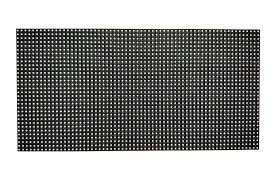
Most modern taxi top displays utilize full-color LED modules, typically with pixel pitches ranging from 4mm to 10mm. The pixel pitch plays a critical role in image clarity at typical viewer distances — smaller pitches such as 4mm offer higher resolution, ideal for close proximity viewing in crowded streets, while 10mm pitches are economically feasible for longer viewing distances and outdoor daylight conditions.
The key technical specifications for effective taxi top LED displays include:
- Brightness: To ensure visibility under direct sunlight, the display brightness generally needs to be at least 5,000 cd/m² (candelas per square meter). This high luminance level surpasses conventional indoor displays and helps maintain clear visibility even during daylight hours.
- Refresh Rate: A refresh rate of 1920Hz or above is recommended to avoid flickering in video content and ensure smooth transitions, which is crucial for brand image and viewer comfort.
- Viewing Angle: Wide viewing angles of 140° horizontally and vertically are standard, ensuring the display content is visible from various directions as taxis circulate through dense cityscapes.
- Power Efficiency: Since taxis operate on battery power systems, energy-efficient modules and power management are critical to minimize load, often complemented by adaptive brightness controls that adjust according to ambient light.
- Weather Resistance: Given external installation, taxi top displays must meet at least an IP65 ingress protection rating, protecting against dust and water jets. This ensures uninterrupted operation through rain, dust, or strong urban environments.
- Control Systems: Wi-Fi or 4G/5G connectivity allows dynamic content updates in real-time, synchronizing campaigns across multiple vehicles and enabling location-based advertising.
Materials and Build Quality
The housing for taxi top displays typically incorporates lightweight yet durable materials such as aluminum alloys and reinforced composites to withstand vibration and provide corrosion resistance in varied weather conditions. The casing also includes heat dissipation mechanisms — such as integrated fans and heat sinks — as LED modules generate significant heat during operation, which can degrade performance if not properly managed.
Industry Standards and Compliance
Manufacturers and operators must ensure compliance with global and regional standards such as IEC 60529 for ingress protection, IEC 62471 for photobiological safety of lamps and lamp systems, and FCC regulations governing electromagnetic interference. Additionally, local transportation authorities often impose size and luminosity restrictions to prevent driver distraction and ensure road safety.
Market Trends and Use Cases
The growth of smart city initiatives has accelerated the deployment of taxi top displays integrated with IoT. For example, some systems now automatically adjust advertising content based on location data or traffic density analytics, optimizing messaging for target demographics in real time. Case studies in metropolitan hubs like London, New York, and Tokyo demonstrate enhanced ROI for campaigns utilizing these dynamic displays versus traditional static signage.
Moreover, advanced LED taxi top displays are used beyond advertising; they also provide critical real-time information such as weather alerts, emergency notifications, and public service announcements, adding a valuable dimension to urban communication networks.
Challenges and Future Outlook
Despite their advantages, taxi top displays face challenges including installation complexity, maintenance in harsh environmental conditions, and regulatory limitations. Continuous innovation in LED technology, battery efficiency, and smart connectivity is expected to overcome these hurdles progressively.
Future advancements anticipate ultra-high definition displays with microLED technology, offering superior brightness, flexibility, and energy efficiency. Increased integration with AI and big data analytics will further refine targeted advertising, making taxi top displays a pivotal asset in urban advertising strategies worldwide.
Conclusion
Taxi top displays represent a robust convergence of technology and marketing, enabling advertisers to deliver vibrant, adaptive, and high-impact messages across diverse urban environments. By adhering to rigorous technical standards and embracing cutting-edge innovations, the industry continues to enhance the effectiveness, reliability, and sustainability of this influential advertising platform.
References:
- International Electrotechnical Commission (IEC) standards
- Society for Information Display (SID) Technical Papers
- Case studies: London Taxi Advertising Consortium (LTAC), New York City Taxi Advertising Program
- LED Display Market Reports 2023-2024, Futuresource Consulting













