

Advanced Technologies and Best Practices in LED LCD Screen Manufacturing
In the rapidly evolving field of display technology, LED LCD screens stand out due to their superior brightness, energy efficiency, and vivid image quality. As a professional LED display engineer with extensive industry experience, it is vital to explore the advanced technologies, stringent manufacturing standards, and practical guidelines shaping the future of LED LCD screen production.
Overview of LED LCD Technology
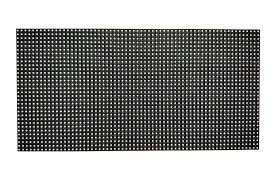
LED LCD screens combine a liquid crystal display panel with LED backlighting, delivering enhanced visual performance compared to traditional CCFL backlit LCDs. LED backlights enable higher brightness levels, improved contrast ratios, and more accurate color rendering. According to the International Electrotechnical Commission (IEC 62607-2-1 standard), maintaining precise luminance uniformity and reliable color gamut are essential benchmarks during manufacturing.
Core Manufacturing Processes
The production of LED LCD screens involves intricate layers and precision assembly. Key steps include:
1. Substrate Preparation: The glass substrates for LCD panels require ultra-clean environments, often rated at ISO Class 5 or better, to prevent particulate contamination that could cause pixel defects.
2. Thin Film Transistor (TFT) Array Fabrication: Using photolithography and chemical vapor deposition techniques, TFT arrays ensure pixel-level control. Uniformity in TFT performance is critical; variations can lead to image retention or uneven pixel response.
3. Liquid Crystal Injection and Alignment: Liquid crystals are injected into the cell gap with micron-level precision (typically 3-5 µm) to ensure uniform light modulation. Techniques such as rubbing and photoalignment are employed to achieve proper orientation.
4. LED Backlight Assembly: LED chips are integrated with light guide plates (LGP) and diffusion films to produce uniform backlighting. High-quality LED modules typically feature peak luminance above 1000 nits and a color gamut coverage exceeding 90% of AdobeRGB to meet modern display demands.
5. Sealing and Lamination: Final sealing ensures moisture and oxygen ingress are minimized to improve longevity. Industry-standard hermetic sealing and ultra-thin film adhesives help maintain panel integrity.
Quality Control and Testing
Stringent quality assurance is critical in reducing Defective Pixels Per Million (DPPM). Tests include:
- Electrical Testing: Verifying TFT matrix response time and leakage currents to prevent ghosting and crosstalk.
- Optical Testing: Employing spectrophotometers and luminance meters to measure brightness uniformity, contrast ratios (often exceeding 5000:1), and color accuracy.
- Environmental Stress Testing: Accelerated aging tests under elevated temperature and humidity replicate long-term usage conditions and identify potential failure points.
Innovations and Trends
Manufacturers are integrating mini-LED and micro-LED technologies into LCD screens to enhance local dimming capabilities and dynamic contrast. Mini-LEDs allow thousands of dimming zones, improving HDR performance dramatically.
Another trend is the adoption of quantum dot enhancement films (QDEF), improving the color gamut and efficiency by leveraging semiconductor nanocrystals that emit highly saturated colors.
Sustainability and Environmental Considerations
Modern manufacturing adheres to RoHS (Restriction of Hazardous Substances) and WEEE (Waste Electrical and Electronic Equipment) directives to minimize environmental impact. The industry also increasingly focuses on recyclable materials and reducing energy consumption throughout the production cycle.
Practical Recommendations for Manufacturers
- Maintain cleanroom standards at or better than ISO 6 during critical stages to reduce defect rates.
- Invest in inline spectral and luminance measurement tools for early defect detection.
- Incorporate advanced automation in assembly to improve repeatability and throughput.
- Collaborate with material suppliers to optimize LED chip quality and longevity.
- Monitor supply chain compliance with environmental and safety regulations.
In conclusion, the LED LCD screen manufacturing process is a sophisticated endeavor requiring high precision, quality control, and innovative technology integration to meet the demands of today’s market. Keeping up with international standards such as IEC 62607 and environmental regulations ensures the production of reliable, high-performance displays that fulfill global users' expectations for brightness, color fidelity, and sustainability.













