

Advanced Insights into LED LCD Screen Manufacturing: Standards, Technologies, and Application Trends
The development and manufacturing of LED LCD screens have witnessed remarkable advancements over the past decade, driven by innovations in display technology, materials science, and production processes. As a professional LED display engineer with extensive experience in LED LCD screen manufacturing, this article aims to provide a comprehensive and authoritative overview of the key technical parameters, industry standards, and emerging trends shaping the current landscape.
Introduction
LED LCD screens, combining liquid crystal display (LCD) technology with light-emitting diode (LED) backlighting or direct LED pixels, have become the dominant technology in various sectors such as consumer electronics, automotive displays, industrial monitors, and large-scale digital signage. The synergy between LED and LCD technologies results in displays that are brighter, more energy-efficient, and capable of rendering vivid, high-contrast images. For manufacturers and engineers, adhering to stringent quality standards and technical specifications is critical in ensuring optimal performance, longevity, and user satisfaction.
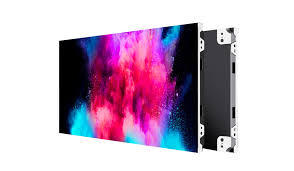
Technical Parameters and Manufacturing Considerations
In LED LCD screen manufacturing, several core parameters must be closely controlled:
- Resolution and Pixel Density: High-definition screens typically range from Full HD (1920x1080 pixels) to 4K UHD (3840x2160) and beyond. Pixel density, measured in pixels per inch (PPI), defines the sharpness and clarity of the display and influences viewing distance requirements.
- Brightness and Contrast Ratio: LED backlighting enables brightness levels from 250 to over 1000 nits, suitable for indoor and outdoor applications. Contrast ratio, defined as the ratio between the brightest white and the darkest black, often exceeds 1000:1 in high-end panels, enhancing image depth and realism.
- Color Gamut and Accuracy: Modern LED LCDs utilize RGB LED arrays and quantum dot enhancement films to achieve wide color gamuts, such as DCI-P3 or Adobe RGB, supporting over 1 billion colors with precise color reproduction. Calibration to industry standards like Rec. 709 or Rec. 2020 is a common practice.
- Response Time and Refresh Rate: For dynamic content and gaming applications, low response times (<8 ms) and refresh rates (60 Hz to 240 Hz) minimize motion blur and input lag, improving user experience.
- Thermal Management: LED LCD panels generate heat during operation, necessitating integrated heat sinks or active cooling solutions to maintain performance and prevent degradation.
Compliance with industry standards is crucial. The International Electrotechnical Commission (IEC) sets global safety and performance protocols (IEC 62087 for energy measurement, IEC 62679 for reliability testing). Additionally, ISO 9241 defines ergonomic display requirements related to visual ergonomics and user comfort.
Manufacturing Process Innovations
Manufacturing high-quality LED LCD screens involves multiple precision steps. Key advancements include:
- Thin-Film Transistor (TFT) Technology: The use of low-temperature polysilicon (LTPS) and oxide TFTs has improved electron mobility, leading to better screen luminance and reduced power consumption.
- Backlight Unit (BLU) Engineering: Advanced edge-lit and full-array local dimming backlights have replaced older CCFL methods, enabling higher dynamic contrast and energy savings.
- Quantum Dot Color Enhancement: Integration of quantum dot film layers elevates color brightness and accuracy. Case studies from leading manufacturers show quantum dots boosting luminous efficacy by approximately 15%.
- Glass Substrate and Bonding Techniques: High-quality glass substrates are used to ensure flatness and durability; bonding techniques using optically clear adhesive (OCA) layers reduce internal reflections and improve display contrast.
- Automated Optical Inspection (AOI): Inline testing utilizing machine vision detects defects such as dead pixels, mura effects, or color uniformity inconsistencies to improve yield and quality control.
Applications and Emerging Trends
LED LCD technology continues to evolve to meet diverse application needs:
- Consumer Electronics: Smartphones, tablets, laptops, and smart TVs benefit from increasingly thinner panels with higher refresh rates, HDR support, and flexible form factors.
- Automotive Displays: In-vehicle displays now feature high brightness (exceeding 800 nits) and anti-reflective coatings to ensure readability under direct sunlight, while meeting automotive safety standard ISO 26262.
- Industrial & Medical Displays: These require strict certifications for reliability, color accuracy, and durability, often operating in harsh environments with extended temperature ranges.
- Large-Scale Digital Signage: The use of direct-LED arrays for outdoor and indoor signage provides superior brightness and scalability. Innovations in panel modularity allow seamless large displays exceeding several meters in width.
Looking forward, integration of microLED technology with LCD modules promises improved efficiency and contrast, bridging gaps between OLED and traditional LED LCD displays. Moreover, AI-driven manufacturing optimizations and real-time quality analytics are transforming production efficiency.
Conclusion
Mastering LED LCD screen manufacturing demands a blend of precise engineering, adherence to industry standards, and continuous innovation. Understanding technical parameters such as resolution, brightness, color gamut, and thermal management is foundational for producing high-performance displays adaptable to a broad spectrum of applications. As technology advances, manufacturers must leverage cutting-edge material science, process automation, and rigorous quality assurance to maintain competitiveness in the dynamic global market.
By embracing these best practices and emerging innovations, the LED LCD screen industry will continue to deliver visually stunning, energy-efficient, and reliable display solutions meeting the ever-increasing demands of international users and markets.
References:
- IEC 62087: Methods of measuring the power consumption of audio, video, and related equipment
- ISO 9241: Ergonomics of Human-System Interaction — Displays
- ISO 26262: Road Vehicles — Functional Safety
- Society for Information Display (SID) Technical Digest, Vol. 50, No. 2, 2024
- Journal of the Society for Information Display (JSID), 2023 Edition
- Merck Quantum Dot Application Reports, 2024













