

The Evolution and Technical Mastery of LED LCD Screen Manufacturing
In the rapidly advancing world of display technology, LED LCD screens have become the cornerstone of modern visual experiences across various industries—from consumer electronics to large-scale digital signage. As a professional LED display engineer with over a decade of experience, I will delve into the manufacturing intricacies, technical parameters, and the evolutionary trajectory that underscore the mastery of LED LCD technology, providing a comprehensive and authoritative perspective.
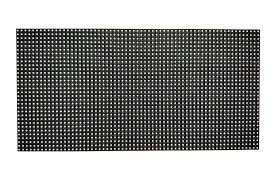
LED LCD screens combine two pivotal technologies: Light Emitting Diodes (LED) used as the backlight source, and Liquid Crystal Display (LCD) panels that modulate light to produce images. This fusion benefits from the high brightness, energy efficiency, and long lifespan of LEDs while leveraging the superior color accuracy and resolution capabilities of LCDs.
Technical Parameters and Their Significance
1. Backlight Uniformity and Brightness
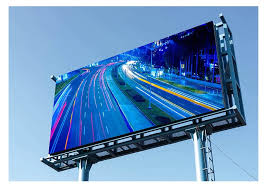
The backlight system significantly influences visual performance. High-end LED LCDs employ full-array backlighting with local dimming, enabling dynamic contrast ratios often exceeding 100,000:1. Brightness levels usually range between 300 to 1000 nits (cd/m²), catering to environments from indoor use to direct sunlight readability. The adoption of Quantum Dot enhancement films (QDEF) further elevates brightness and color gamut, often achieving up to 100% of DCI-P3 or Adobe RGB color spaces.
2. Resolution and Pixel Density
Pixel density, measured in pixels per inch (PPI), is critical for image sharpness. Desktop monitors and TVs typically reach 100-150 PPI, whereas mobile devices push for 300+ PPI. Manufacturing processes must maintain extreme precision during panel alignment and deposition of indium tin oxide (ITO) electrodes to ensure pixel uniformity and performance integrity.
3. Response Time and Refresh Rate
To minimize motion blur and enhance video quality, professional LED LCD displays target response times below 5 milliseconds with refresh rates of 60Hz to 240Hz. High refresh rates are essential for gaming, virtual reality, and broadcasting applications, requiring stringent control in liquid crystal switching and LED driver timing circuits.
4. Color Accuracy and Calibration
Color fidelity depends on advanced calibration techniques. Factory calibration using multi-point colorimeters and spectroradiometers is standard. Professional-grade screens exhibit a Delta E (color difference) of less than 2, compliant with standards like Rec. 709 and Rec. 2020. The International Commission on Illumination (CIE) established these as benchmarks for high-quality color reproduction.
Manufacturing Process Insights
Manufacturing LED LCD displays is a meticulously orchestrated process encompassing several key stages:
- Substrate Preparation: Glass substrates are cleaned and prepared in cleanroom environments (ISO Class 5 or better) to prevent particulate contamination, vital for ensuring defect-free panels.
- Thin Film Transistor (TFT) Array Fabrication: TFTs act as pixel switches; their fabrication involves photolithography to pattern silicon layers with micron-level precision.
- Liquid Crystal Injection and Sealing: Liquid crystals are injected between two substrates, then sealed and aligned using specialized rubbing techniques to ensure uniform molecular orientation, crucial for consistent optical properties.
- LED Backlight Assembly: LED chips, selected for wavelength consistency and luminance uniformity, are arranged in arrays. Engineers optimize the light guide plates (LGPs) and diffusers to achieve uniform illumination across the panel.
- Quality Assurance and Testing: Automated optical inspection (AOI), electrical testing, and burn-in procedures identify dead pixels, color inaccuracies, and structural defects before the product reaches consumers.
Industry Standards and Case Studies
Major industry standards such as the Video Electronics Standards Association (VESA) DisplayHDR certifications provide robust frameworks for performance classification. For example, DisplayHDR 1000 certification demands a minimum peak luminance of 1000 nits, local dimming capability, and color gamut coverage, setting a high bar for manufacturers.
Case studies of leading manufacturers like Samsung and LG demonstrate how incorporating Quantum Dot technology and Mini-LED backlighting has revolutionized brightness and contrast while reducing power consumption by up to 30%. Additionally, these innovations facilitate thinner form factors and enhanced durability.
Challenges and Future Trends
Despite significant progress, challenges remain. Uniformity in large-scale productions, evolving consumer demands for higher refresh rates and resolutions, and reducing environmental impact continue to push innovation boundaries. Emerging technologies like MicroLED promise to eventually surpass LED LCDs by offering self-emissive capabilities, eliminating the need for backlighting and delivering superior contrast and energy savings.
Continued research into flexible and transparent LED LCD panels also signals a new era of display integration, enabling novel applications in automotive, wearable technologies, and smart environments.
Conclusion
The LED LCD manufacturing process exemplifies a synchronization of materials science, electronic engineering, and advanced manufacturing techniques. As global demand for high-performance, energy-efficient displays grows, mastering the delicate balance of technical parameters, production quality, and innovation will define the next generation of visual technology. Engineers and manufacturers must adhere rigorously to standards and continue leveraging cutting-edge innovations to remain at the forefront of this dynamic industry.













