

Small Pixel Pitch LED Displays: Revolutionizing Visual Experience with High-Resolution Screens
In the rapidly evolving realm of digital display technology, small pixel pitch LED screens have emerged as a groundbreaking advancement, enabling unprecedented clarity and detail in visual presentations. As a professional LED display engineer with extensive experience in manufacturing and deploying LED LCD screens, I aim to provide a comprehensive overview of small pixel pitch technology, its technical parameters, practical applications, and industry standards.
Understanding Small Pixel Pitch Technology
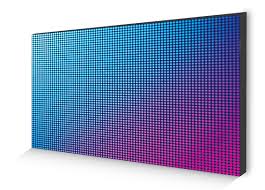
Pixel pitch refers to the distance between the centers of two adjacent pixels, typically measured in millimeters (mm). A smaller pixel pitch means pixels are packed more densely, resulting in higher resolution and superior image quality. In LED displays, this is crucial as it directly influences the viewing distance, sharpness, and overall visual fidelity.
Typically, small pixel pitch LED displays have pixel pitches ranging from 0.5 mm to 2 mm. This range is considerably finer compared to traditional large pixel pitch displays that may have pitches greater than 4 mm. For example, a 0.9 mm pixel pitch LED module contains over four times as many pixels per unit area as a 1.8 mm pixel pitch screen, vastly improving image crispness.
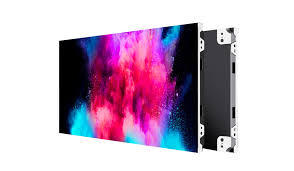
Technical Parameters and Performance Metrics
When evaluating small pixel pitch LED displays, several critical parameters define their performance:
- Pixel Pitch (mm): Defines pixel density; smaller values provide higher resolution.
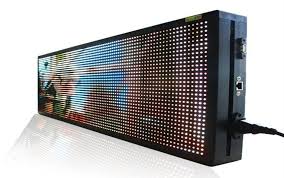
- Brightness (cd/m²): Often ranging from 800 to 1500 nits for indoor displays. Critical for ambient light conditions.
- Contrast Ratio: Small pixel pitch screens typically achieve high contrast ratios, exceeding 3000:1, enhancing image depth.
- Viewing Angle: Wide angles of 140° or more horizontally and vertically ensure uniform image quality from various perspectives.
- Refresh Rate: 3840 Hz or higher is standard for smooth video playback without flicker, important for broadcast-grade displays.
- Color Depth: Typically 16-bit or 20-bit for richer, more natural colors.
Adhering to industry standards like the International Electrotechnical Commission (IEC) 62471 for photobiological safety and ANSI/IES RP-27 ensures safe and reliable operation in various environments.
Manufacturing Challenges and Solutions
Producing small pixel pitch LED modules requires precision manufacturing techniques. The challenges include:
- Micro-LED Soldering: Small LED package size demands exacting pick-and-place machinery and high-precision soldering to avoid pixel failures.
- Thermal Management: Higher pixel density generates more heat per area; therefore, advanced heat-dissipating substrates and forced airflow are employed.
- Calibration and Uniformity: Each pixel must be symmetrically calibrated for brightness and color, often using automated binning and color correction software.
Leading manufacturers use COB (Chip-on-Board) and SMD (Surface-Mounted Device) LED technologies for pixel pitch below 1 mm, balancing cost and performance effectively.
Applications and Industry Impact
Small pixel pitch LED displays are transforming multiple sectors, including:
- Broadcast and Control Rooms: High-resolution, flicker-free images aid real-time data analysis and monitoring.
- Retail and Advertising: Ultra-clear visuals draw customer attention, with bright and vivid images even in well-lit environments.
- Corporate and Conference Rooms: Enables highly detailed presentations on large-format screens, improving communication outcomes.
- Healthcare and Medical Imaging: Enhanced image clarity assists diagnostic processes where precision is vital.
Notably, the rise of fine pitch LED video walls has challenged traditional LCD and projection systems, offering superior brightness, seamless panels, and easier scalability.
Economic Considerations and Market Trends
Despite their advantages, small pixel pitch LED displays carry higher costs related to manufacturing complexity and raw material quality. However, dropping prices in LED chip technology and mass production have made these displays increasingly accessible. According to IHS Markit reports, the global fine pitch LED market is projected to grow at a CAGR exceeding 10% through 2028.
The shift towards energy-efficient, higher resolution displays is also driven by sustainable design demands. Fine pitch LEDs generally consume less power than conventional projection and LCD backlight systems while delivering higher brightness and longevity, often exceeding 100,000 hours of operation.
Future Outlook and Innovations
Emerging advancements include integrating microLED and miniLED technologies for even smaller pixel sizes—sub-0.5 mm pixel pitch displays are under development, promising ultra-high-definition imagery in compact formats. Additionally, developments in flexible substrates and transparent LED screens will expand the versatility of small pitch applications.
Wireless synchronization, AI-driven calibration, and 8K-ready LED video walls are becoming mainstream, boosting the visual experience for end-users globally.
Conclusion
Small pixel pitch LED displays represent a significant leap forward in visual technology, combining precision engineering, advanced manufacturing, and innovative design. Their ability to deliver crisp, detailed, and vibrant images across diverse applications makes them an indispensable tool in today’s digital communication environment.
For engineers, designers, and decision-makers evaluating display solutions, understanding the nuances of pixel pitch ensures selecting the optimal display technology that balances resolution, cost, reliability, and application-specific needs.
By adhering to international standards and embracing technological innovations, the small pixel pitch LED display industry is driving forward the future of high-definition visual experiences.













