

Advanced Manufacturing Techniques and Quality Control in LED LCD Screen Production
The LED LCD screen industry has witnessed substantial growth due to the increasing demand for high-quality displays in consumer electronics, commercial signage, and industrial applications. As a seasoned professional in the LED display engineering domain, I will detail the advanced manufacturing techniques, critical quality control measures, and technical parameters that define the production of superior LED LCD screens.
Material Selection and Panel Structure
The foundational step in LED LCD manufacturing begins with the substrate. High-grade glass substrates with excellent transmittance and thermal stability, such as Corning’s EAGLE XG or Schott’s D263T, are typically selected. The liquid crystal layer requires precise alignment and uniform cell gap, commonly controlled between 3 to 6 micrometers depending on the display application, which significantly influences the electro-optical performance.
In LED backlighting units, the use of high-brightness white LEDs with Color Rendering Index (CRI) values above 85 ensures vivid and uniform illumination. Advances in mini-LED and micro-LED backlight arrays have facilitated higher contrast ratios and energy efficiency, critical for HDR (High Dynamic Range) display panels, meeting standards such as the VESA DisplayHDR 600 and above.
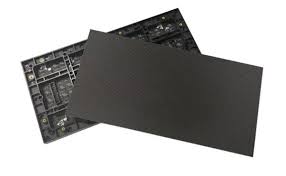
Advanced Manufacturing Processes
Modern LED LCD fabrication integrates several cutting-edge techniques:
- Photolithography and Thin-Film Transistor (TFT) Etching: Utilizing low-temperature polycrystalline silicon (LTPS) technology enables faster pixel switching and higher resolution displays, essential for 4K UHD and 8K panels.
- Inkjet and Vacuum Deposition: For depositing organic layers in OLED-LCD hybrids or precise phosphor coatings under the backlight units, these methods improve color consistency and lifespan.
- Laser Cutting and Bonding: Ensuring the perfect sealing of LCD cells while minimizing liquid crystal leakage or air bubble formation, laser precision cutting combined with automated bonding enhances yield rates and longevity.
Quality Control and Testing
Stringent quality control is mandatory to guarantee durability, color fidelity, and performance consistency. Industry standards like the International Electrotechnical Commission (IEC) 62715 and ISO 9241-307 guide the testing procedures. Critical inspection parameters include:
- Brightness Uniformity: Typically required to be within ±10% across the display area to avoid hotspots or dim regions.
- Response Time and Refresh Rate: With gaming and professional usages, response times under 5 ms and refresh rates exceeding 120 Hz have become standard benchmarks.
- Color Gamut and Accuracy: Adherence to industry color profiles such as sRGB, Adobe RGB, and DCI-P3 with a gamut coverage exceeding 95% ensures high fidelity rendering.
- Thermal Management: Testing under continuous operation at elevated temperatures (typically 45°C to 60°C) prevents thermal degradation, a common failure point in densely packed LED arrays.
Environmental and Regulatory Compliance
Manufacturers must align with environmental directives such as RoHS (Restriction of Hazardous Substances) and WEEE (Waste Electrical and Electronic Equipment) to minimize hazardous materials and promote recycling. Advanced encapsulation techniques and lead-free soldering processes also contribute to sustainability efforts while maintaining product reliability.
Industry Case Studies and Practical Insights
A practical example from a leading manufacturer demonstrated that integrating mini-LED technology with edge-lit backlight architectures allowed an improvement in peak brightness from 500 nits to over 1000 nits, while reducing power consumption by 15%. This advancement aligns with consumer demands for portable devices with longer battery life and better daylight visibility.
Additionally, collaboration with material science experts enabled the development of enhanced polarizer films that increase light transmittance by up to 3%, thereby improving overall screen efficiency without significant cost increase.
Conclusion
Manufacturing high-performance LED LCD screens necessitates a deep understanding of materials science, precision engineering, and comprehensive quality assurance. The interplay between cutting-edge production technologies and stringent standards ensures the delivery of displays that meet the rigorous expectations of global markets. Staying abreast of technological advances such as mini-LED, micro-LED integration, and next-generation backlighting solutions will continue to push the boundaries of LED LCD performance and user experience.













